
best car exterior chrome polish for shine isn’t just about grabbing the most aggressive metal polish on the shelf, it’s about matching the product to your chrome type, your level of oxidation, and how much risk you’re willing to take with nearby paint and plastics.
If your bumpers or trim look hazy, lightly brown, or “clean but not bright,” you’re usually dealing with surface oxidation plus old residue from soaps, hard water, or road film. The right chrome polish can bring back that crisp mirror look, but the wrong one can leave scratches, stain rubber, or create streaks you keep chasing.
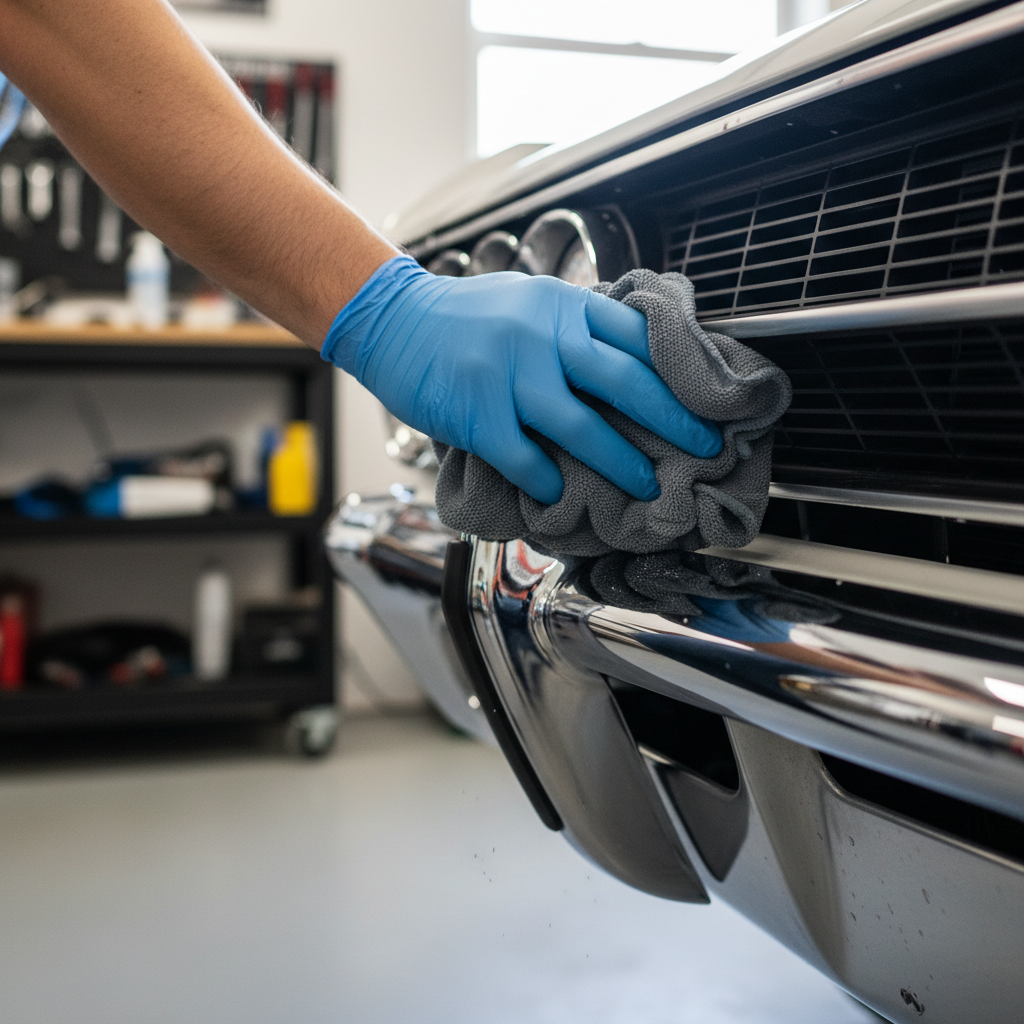
This guide gives you a practical way to choose what works: a quick decision checklist, a comparison table, and a step-by-step process that keeps you out of trouble. I’ll also call out common “looks fine at first” mistakes that ruin the finish over time.
What “best” really means for chrome polish (and why people get disappointed)
Most frustration comes from buying a product that’s “good,” but wrong for the job. Chrome can mean different surfaces: true chrome plating, polished stainless, chrome-look plastic, or even anodized pieces that just look shiny.
- Light dullness: usually needs a gentle polish/cleaner to remove film and tiny oxidation.
- Moderate oxidation: needs a stronger cleaner-polish with more bite, but still controlled.
- Pitting or flaking: polish can improve appearance, but it won’t “fix” missing plating.
- Near paint/plastic: the safest “best” option is often the least messy, easiest to control formula.
Also, “shine” is a process, not a single swipe. You typically get the best car exterior chrome polish for shine results when you clean first, polish second, then protect so the gloss lasts.
Chrome polish types: pick the formula that fits your situation
Chrome polishes mostly differ by abrasive level and carrier (cream, paste, liquid), plus whether they add protection. Here’s how to think about them in real-world use.
1) Cleaner-polish (mild abrasive)
Good for maintenance and light haze, less likely to leave swirls. If you polish every few months, this is often all you need.
2) Heavy-cut metal polish
Better for neglected chrome with visible oxidation. It can work fast, but you need a soft touch and patience, because overworking a gritty polish can haze the surface.
3) Chemical decontamination (before polish)
Not a “chrome polish,” but a step that matters. If your chrome feels rough, embedded contamination can block shine. According to the U.S. Environmental Protection Agency (EPA), many household and automotive chemicals should be used with proper ventilation and per label directions, which is especially relevant when you’re working with solvents and metal polishes.
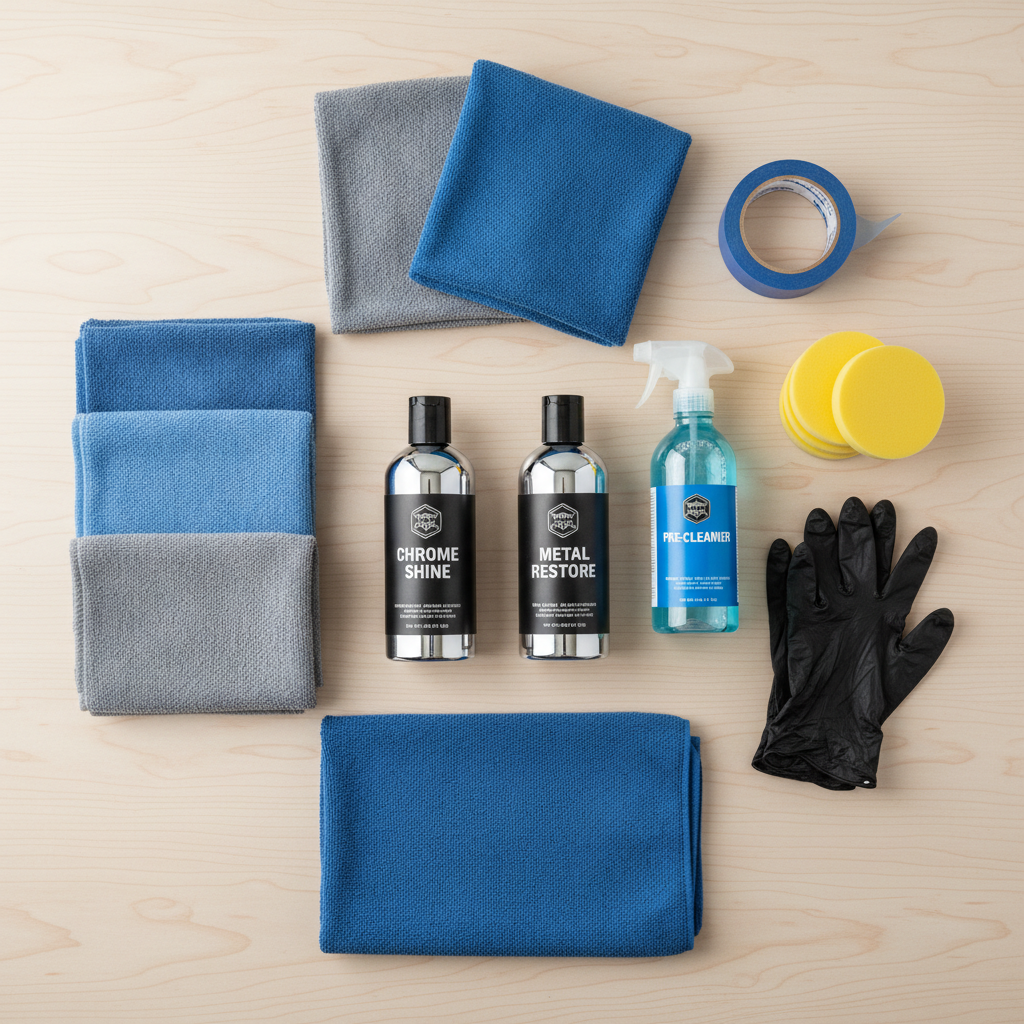
4) All-in-one chrome polish + protectant
Convenient, usually best for regular upkeep. If you hate redoing work, this is the “lazy-smart” category, though protection typically won’t match a dedicated sealant or wax.
Quick comparison table: choosing the best car exterior chrome polish for shine
This table won’t name a single “one-size” winner, because what’s best depends on your chrome and your tolerance for risk. Use it to narrow down the type you should buy.
| Situation | What to use | Why it works | Watch-outs |
|---|---|---|---|
| Light haze, fingerprints, soap film | Mild cleaner-polish (cream) | Enough cut to brighten without scouring | May not remove deeper oxidation |
| Yellow/brown oxidation, neglected trim | Medium to heavy metal polish | Stronger abrasives remove oxidized layer faster | Can haze if overworked; keep pressure light |
| Rough feel, specks, bonded grime | Decon wash + mild polish | Removes embedded contamination so polish can refine | Avoid aggressive clay on delicate plating |
| Show shine, already in good shape | Finishing polish + dedicated protectant | Max gloss and clarity, longer-lasting results | More steps, more product compatibility to manage |
| Chrome near textured plastic/rubber | Low-dust cream polish | Easier to control, less staining risk | Still mask edges if you care about perfect cleanup |
Self-check: are you polishing real chrome or “chrome-look” parts?
This matters more than people think. Some newer vehicles use chrome-effect plastic or thin coatings that don’t respond well to metal polish.
- Magnet test (where safe): chrome-plated steel may attract a magnet; stainless may not. Plastics won’t.
- Edge inspection: on plastic trim, you may see a molded seam line or a slight “painted” look.
- Feel test: true chrome usually feels colder and harder; plastic trim often feels slightly warmer.
- When in doubt: start with the mildest chrome-safe cleaner and test a hidden spot.
If it’s chrome-look plastic, many metal polishes are simply too aggressive. In those cases, a plastic-safe cleaner and protectant is often the better route than chasing the best car exterior chrome polish for shine with abrasives.
Step-by-step: how to polish chrome for maximum shine (without making a mess)
Here’s a process that stays realistic for a driveway detail and keeps risk low around paint.
Prep (5–10 minutes that saves you 30 later)
- Wash and dry the area, especially seams and edges.
- Mask adjacent paint, matte plastics, and rubber with painter’s tape if staining would annoy you.
- Work in shade on cool metal, hot chrome makes polishes flash and streak.
Polish (the part people rush)
- Apply a pea-sized amount to a foam applicator or microfiber pad.
- Use short, controlled passes, light pressure, let the product do the work.
- Flip to a clean towel section to buff residue before it dries hard.
- Repeat once more if needed, but stop when improvement slows, that’s your “diminishing returns” moment.
Protect (how you keep the shine)
- Wipe with a clean microfiber to remove any oily film.
- Add a protectant: wax, sealant, or a coating made for metal/chrome.
- Do a final buff to even out gloss, especially around curves and bolt heads.
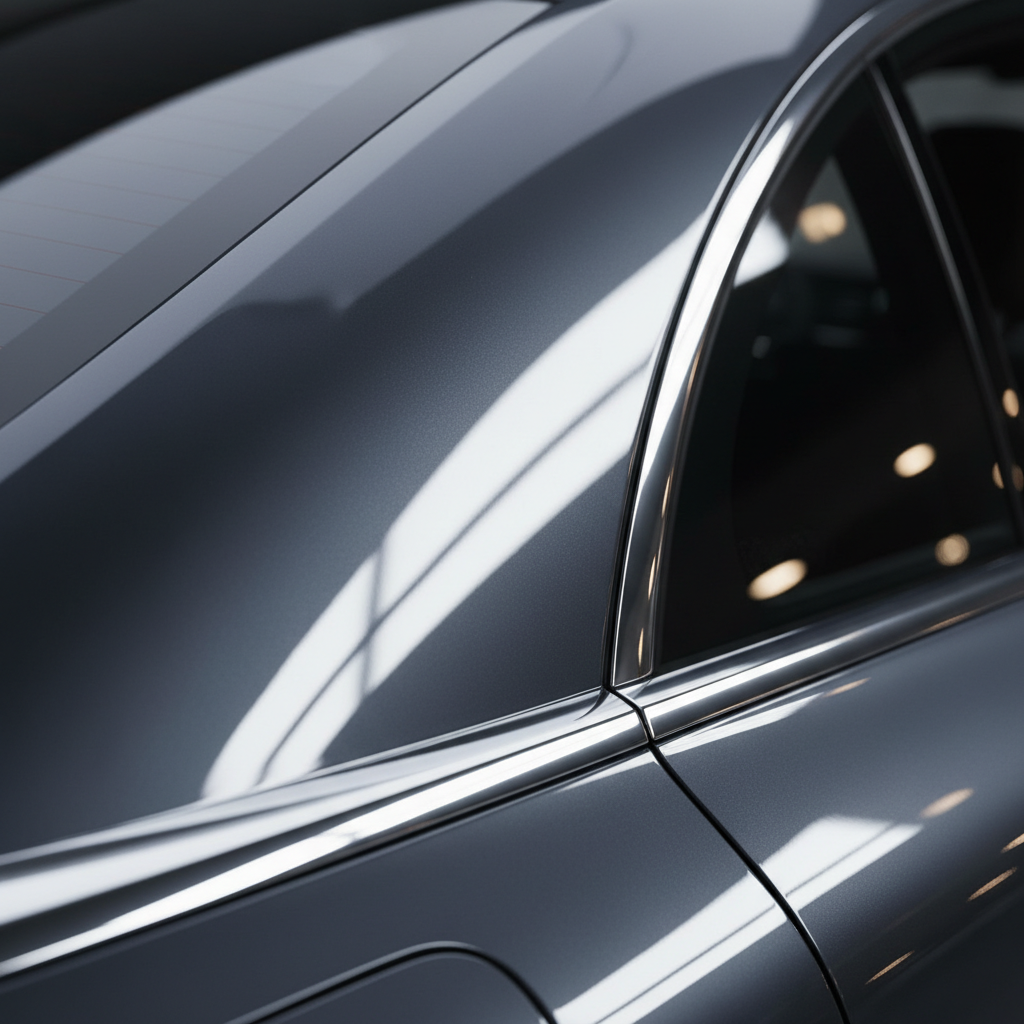
Key takeaway: the best car exterior chrome polish for shine is the one you can control, finish cleanly, and protect afterward, not the one that cuts the hardest.
Common mistakes that reduce shine (even when you “did everything right”)
- Polishing over dirt: tiny grit turns your towel into sandpaper, leaving micro-scratches that look like haze in sunlight.
- Using the wrong towel: old, stiff microfiber or cotton rags can mar chrome, use soft, clean towels.
- Letting polish dry too long: many formulas buff easier when slightly wet, dried residue can streak and lodge in seams.
- Not protecting after polishing: bare, freshly polished metal attracts water spots and film faster.
- Chasing pits with abrasives: pitting is missing material, aggressive polishing usually just rounds edges and dulls surrounding areas.
If you keep seeing “fog” after polishing, it’s often either micro-marring from technique or residue left behind. Try a gentler finishing pass and a cleaner towel before buying something stronger.
When you may need professional help (or a different fix entirely)
Some chrome problems are structural, not cosmetic. In these cases, polish can only do so much.
- Flaking chrome or bubbling: plating failure often needs re-plating or replacement.
- Deep rust at seams: you might need rust remediation, and it’s easy to worsen the spot by scrubbing.
- Antique or thin plating: a professional detailer or restoration shop can choose safer abrasives and tools.
Also, if you’re sensitive to odors or skin irritation, consider gloves and ventilation, and follow label directions. If you’re unsure about chemical compatibility on your trim, a detailer can usually test a small section and tell you what’s safe.
Conclusion: a simple way to pick and use the right chrome polish
If you want a clean, mirror-like finish, focus on fit and process. Match the polish strength to the oxidation level, work small sections, buff before residue bakes on, and add protection so the result sticks around.
If you do one thing today, do a quick test spot with a mild cleaner-polish and a fresh microfiber. If that brings the shine back, you just saved time, money, and a lot of unnecessary abrasion.
FAQ
- What is the best car exterior chrome polish for shine on daily drivers?
For most daily-driven vehicles, a mild cleaner-polish that wipes off easily is usually the sweet spot, it brightens without forcing you into heavy abrasion. Add a simple protectant afterward to slow down water spotting. - Can chrome polish remove rust spots on bumpers and trim?
It can improve light surface rust staining, but deeper rust at seams or under plating often returns. If you see roughness that catches a fingernail, the fix may require more than polish. - Is it safe to use metal polish on chrome-look plastic parts?
Sometimes it’s too aggressive. If the part is plated plastic or a chrome-effect coating, start with the mildest product you can find and test a hidden area, or use a plastic-safe cleaner instead. - Why does my chrome look streaky after polishing?
Most streaks come from residue not fully buffed off or polishing on hot metal. Try a second wipe with a clean towel, and if needed, a light re-polish with less product. - Should I polish chrome by hand or with a machine?
Hand polishing is safer and plenty effective for trim and bumpers. A machine can work, but it’s easier to overheat edges or sling product onto paint and plastics if you’re not experienced. - How often should I polish exterior chrome?
Many people only need true polishing a few times a year. In between, gentle washing and a protectant top-up usually keeps the shine without wearing the surface. - What should I put on chrome after polishing to keep it shiny?
A sealant or wax can help, and some products are made specifically for metal surfaces. The goal is to create a sacrificial layer so contaminants and water spots hit the protectant, not the chrome.
If you’re trying to choose the best car exterior chrome polish for shine but want a simpler path, look for a mild, low-dust cream that’s easy to wipe off, then pair it with a dedicated protectant so your next cleanup feels like maintenance, not restoration.