
Best budget car jump starters for emergency use are the ones you can trust at 6 a.m. in a cold parking lot, not the ones with the flashiest numbers on the box. If you just want something affordable that starts your car, charges your phone, and doesn’t scare you with sparks, you’re in the right place.
A lot of people get stuck because budget listings mix real specs with marketing terms, and jump starters are one category where “close enough” can waste your time when you need help fast. The good news is you can usually get a reliable unit without paying premium-brand prices, as long as you know what matters.
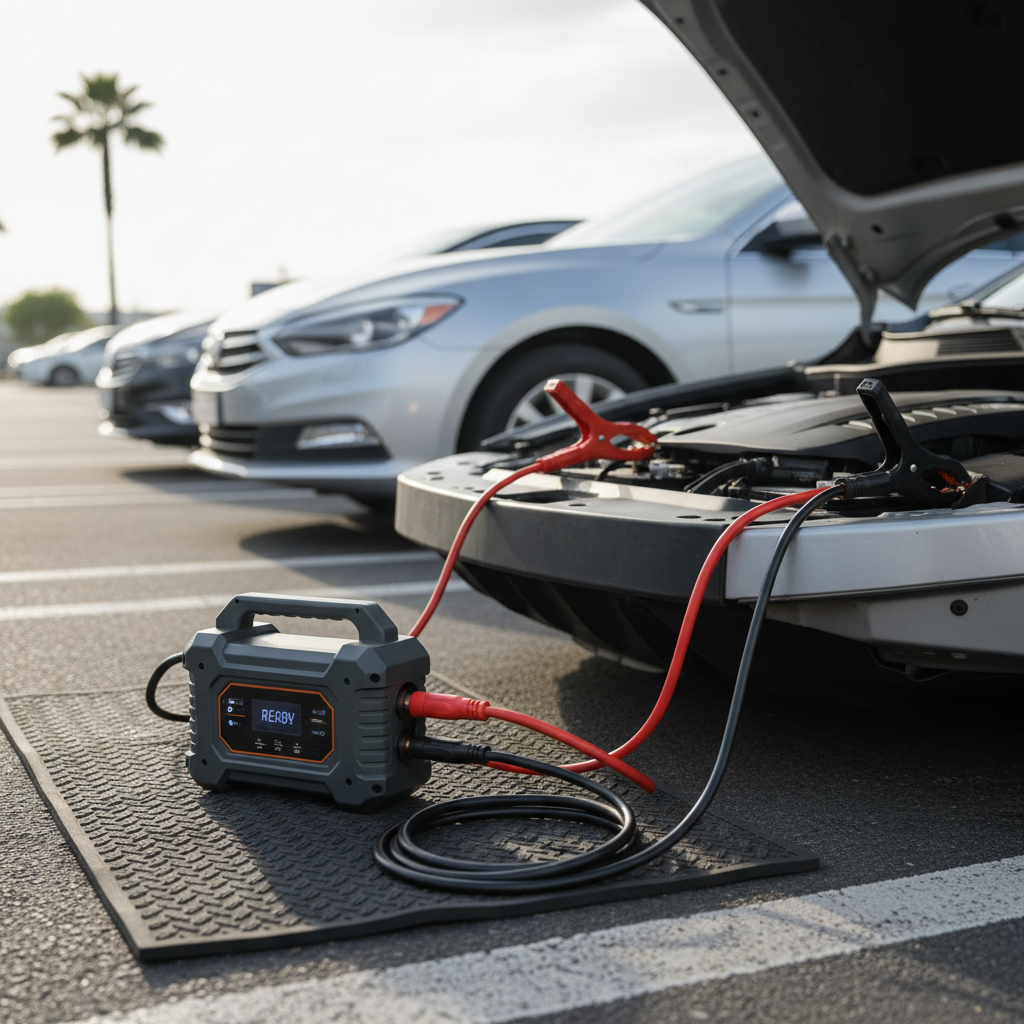
Below I’ll break down what to look for, how to sanity-check “amp” claims, and which budget-friendly categories make sense for different vehicles and climates. I’ll also share a quick-use checklist, because owning one is only half the win.
What actually makes a budget jump starter “good” in an emergency
When you’re shopping for the best budget car jump starters for emergency situations, focus on a few practical traits that show up in real use, not just in product titles.
- Cold performance: Batteries struggle in low temperatures, and smaller jump packs often do too. If you live in the Midwest or Northeast, treat this as a priority, even on a budget.
- Clamp quality and cable thickness: Thin cables heat up and drop voltage. Better clamps bite cleanly and feel solid, which reduces user error when you’re stressed.
- Safety protections that actually help: Reverse polarity protection, spark resistance, and short-circuit protection are common, but the difference is how clearly the unit communicates an error (lights, beeps, lockout).
- Charge management: A jump starter that sits in your trunk for months needs stable standby behavior and clear battery indicators.
- Usable extras: A flashlight is nice. USB-C input and a decent power bank function are nicer, because you’ll use them often enough to keep the unit topped off.
According to NHTSA, roadside emergencies can escalate quickly when visibility is poor or weather is severe, so anything that reduces time on the shoulder is worth taking seriously. A jump pack is one of the few “cheap” tools that can shorten that exposure.
Understanding amps, engine size, and marketing numbers (without overthinking it)
This is where budget shopping gets messy. Listings may highlight “peak amps” in huge text, while the number that matters for consistent starts is often the unit’s real-world output under load, which is harder to compare across brands.
Here’s a workable approach that keeps you out of trouble:
- Small gas engines (most sedans, compact SUVs): Many budget lithium jump starters can handle this if they’re not tiny keychain-style units.
- Large gas engines (V6/V8 trucks, full-size SUVs): Consider a higher-capacity budget model, and be skeptical of ultra-cheap options that only advertise huge “peak” numbers.
- Diesel: Budget units sometimes work on smaller diesels, but this is the area where claims most often outpace reality. If you drive a diesel daily, it may be worth stepping slightly above “lowest price.”
Also, don’t ignore your battery’s condition. If your battery is near end-of-life, a jump starter becomes a repeat crutch. It still helps, but you’ll want to plan a replacement instead of “jumping forever.” According to AAA, battery-related issues are a common cause of roadside service calls, and weak batteries tend to fail more often under temperature stress.
Quick comparison table: what to expect at common budget price tiers
Prices move around with sales, but these tiers are usually more useful than brand names when you’re trying to buy fast and avoid regret.
| Budget tier | Best for | What you typically get | Watch-outs |
|---|---|---|---|
| Entry budget | Small gas engines, occasional use | Basic safety protections, USB charging, simple flashlight | Optimistic amp claims, slower recharge, weaker cold performance |
| Value sweet spot | Most drivers who want reliable emergencies | Better clamps/cables, clearer error indicators, USB-C input on many models | Still varies by brand; verify return policy and warranty terms |
| Upper budget | Trucks/SUVs, colder climates, more peace of mind | Higher capacity, more consistent starts, sometimes faster charging | Bigger size; counterfeit listings can appear on marketplaces |
A simple self-check: which jump starter profile fits your car and your life
If you’re not sure what to buy, answer these quickly. You’ll usually land in the right “class” of product without spiraling into spec sheets.
- Where does the car sleep? Garage, driveway, street parking, or long airport parking changes how often you’ll need a boost.
- How cold does it get? If winter mornings regularly drop below freezing, avoid the smallest units and prioritize better cables and capacity.
- What do you drive? 4-cylinder commuter cars are forgiving, large-displacement trucks are not.
- Do you forget to recharge gadgets? If yes, choose a model with USB-C charging and a battery gauge that’s easy to interpret.
- Do you want “one tool” for multiple cars? If you’ll help family members, lean toward the value sweet spot or upper budget tier.
For many households, the “value sweet spot” is where the best budget car jump starters for emergency use usually live: not the cheapest, but still far below premium pricing.
How to use a budget jump starter safely (real-world, step-by-step)
Even with protections built in, mistakes happen when you’re tired or it’s raining. This flow keeps things calm and reduces the chance you’ll trip a safety lockout.
Before you connect anything
- Turn the car fully off, remove the key fob from the cabin if possible, and switch off accessories.
- Check the jump pack’s battery indicator. If it’s low, don’t assume it will still work, especially in cold weather.
- Inspect battery area for obvious damage, leaking, or heavy corrosion. If something looks unsafe, it’s smarter to call roadside assistance.
Connecting and starting
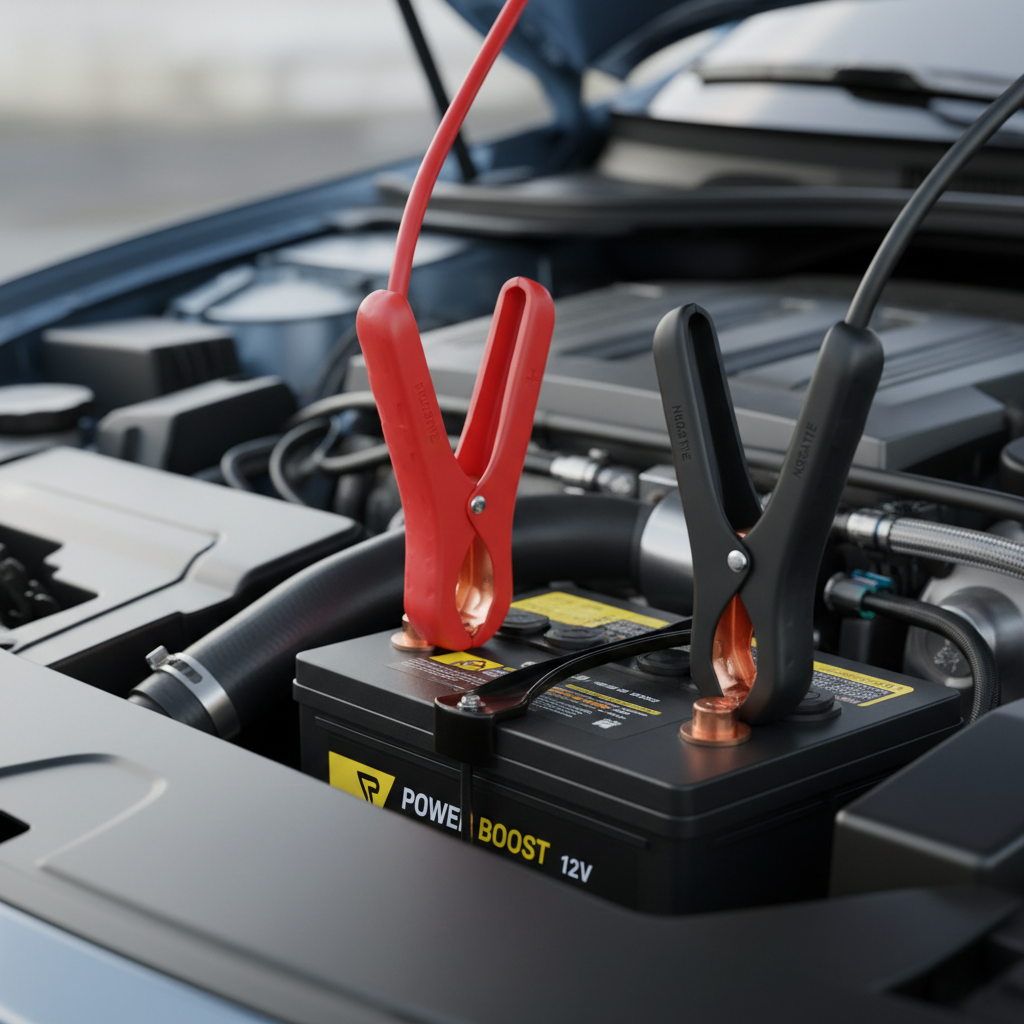
- Connect red clamp to + (positive terminal), then black clamp to - (negative terminal) or a recommended ground point if your manual advises it.
- Wait for the unit’s “ready” signal. Budget models vary here, so read the quick-start card once before you need it.
- Start the car in short attempts. If it doesn’t crank, pause and re-check clamp contact rather than repeatedly trying.
- Once the engine runs, disconnect in reverse order and let the car idle a bit.
According to CDC, running a vehicle in an enclosed space can lead to dangerous carbon monoxide buildup, so avoid idling in a closed garage while you “test things.” If you’re troubleshooting, open the door fully or move the car outside as soon as it starts.
Common mistakes that make budget models feel “weak” (and how to avoid them)
People often blame the device when the issue is connection, temperature, or the car battery being far gone.
- Loose clamp contact: Painted terminals, corrosion, or half-biting clamps can stop current flow. Reposition and press firmly.
- Trying to jump at 10% pack charge: Many lithium packs sag under load when low. Keep it charged, and check it monthly.
- Storing it in extreme heat: Trunks get hot in summer. Many manufacturers recommend moderate storage temps; follow the manual to reduce battery aging.
- Ignoring the “why”: If the battery dies repeatedly, test the battery and alternator. A jump starter is not a fix for a failing charging system.
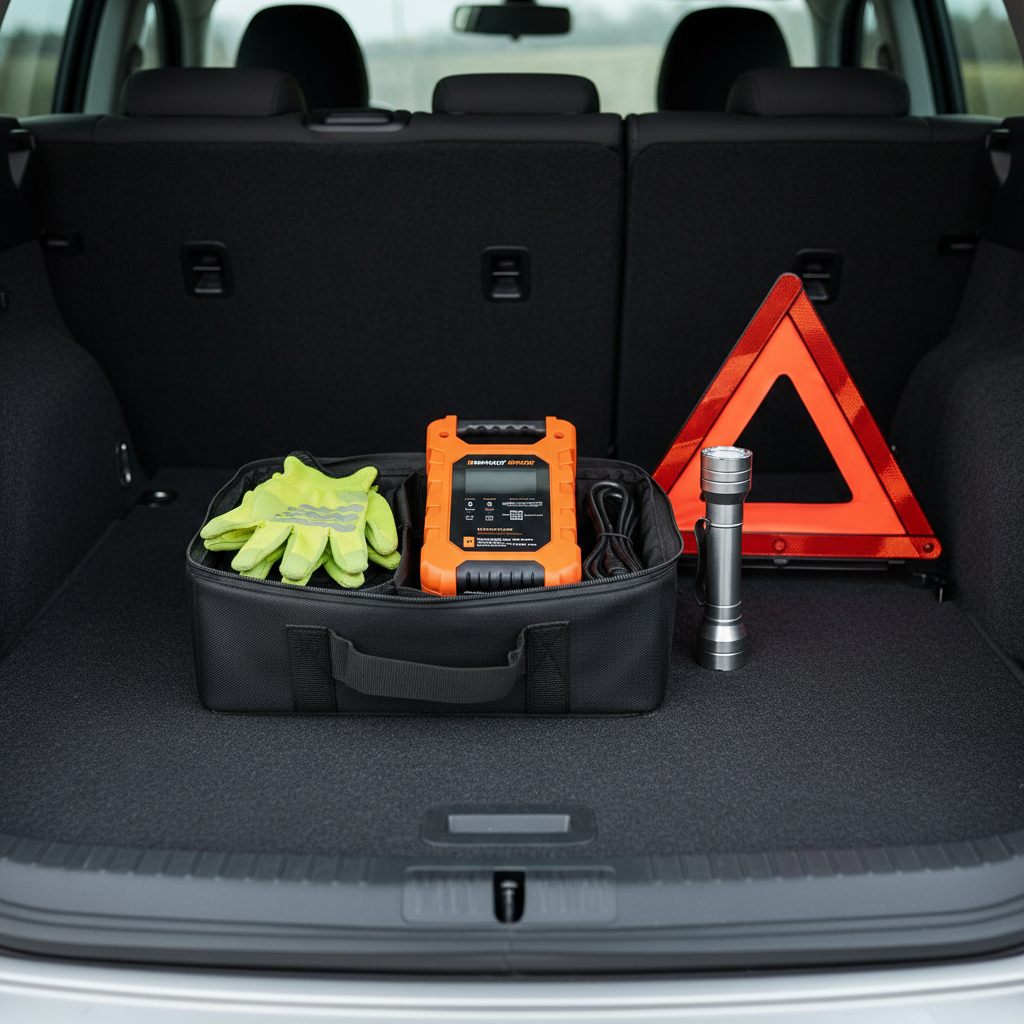
One more practical point: some cars with very low batteries need a “pre-charge” moment. If your pack supports it, you may need to leave it connected briefly before cranking. If your unit doesn’t support that, you might see inconsistent results on severely depleted batteries.
Buying tips for 2026: how to pick a budget unit without gambling
Budget doesn’t have to mean random. Use these checks to lower your odds of getting a dud.
- Prioritize clear documentation: A readable manual, clear indicator lights, and a real support contact matter more than an extra mode on the flashlight.
- Look for USB-C input: It’s easier to keep charged using the same cable as your phone, which improves real emergency readiness.
- Check warranty and returns: Especially for marketplace listings, a decent return window is your safety net.
- Avoid suspicious bundles: “Insane specs + too-cheap price + generic brand name” is a common pattern in low-quality listings.
- Match it to your worst day: If you only buy for sunny afternoons, you’ll be annoyed the first freezing morning.
Key takeaways: choose for engine size and climate, don’t over-trust peak amp claims, and buy a model you’ll actually keep charged. That’s what usually separates the “fine” jump pack from the one you’re glad you bought.
Conclusion: a realistic plan for staying covered
If your goal is peace of mind, the most reliable approach is picking a budget jump starter from the value sweet spot, charging it regularly, and practicing the connection steps once in daylight. That combo solves most dead-battery mornings without turning into a project.
If you want one action to take today, put a recurring reminder on your phone to check the pack monthly, and store it where you’ll remember it. The best budget car jump starters for emergency use only help if they’re charged and within reach.
FAQ
What specs matter most for the best budget car jump starters for emergency use?
Look for realistic starting power for your engine size, solid clamps and cables, and safety protections with clear indicators. USB-C charging is also a big quality-of-life upgrade.
Can a cheap jump starter damage my car battery or electronics?
Many modern units include reverse-polarity and spark protection, which reduces risk, but damage is still possible if clamps are connected incorrectly or the battery is physically compromised. If you’re unsure, check your owner’s manual or ask a mechanic.
How often should I recharge a portable jump starter in my trunk?
Monthly is a reasonable habit for many people, and more often if temperatures swing extreme. Self-discharge and cold can reduce available power when you need it.
Will a budget jump starter work in freezing temperatures?
Sometimes yes, sometimes it struggles, especially at low pack charge. In cold climates, choose a stronger unit than you think you need and keep it topped off.
What if my car won’t start even with a jump pack?
Re-check clamp contact, confirm the pack is sufficiently charged, and try a short wait if the battery is deeply depleted. If it still won’t crank, the issue may be the battery’s health, starter, or alternator, and it’s safer to get professional help.
Is it better to buy a jump starter or just use jumper cables?
Jumper cables are inexpensive, but they require a second vehicle and proper positioning. A jump starter costs more, but it’s self-contained, which is why many drivers consider it worth it for emergencies.
Can I use a jump starter as a power bank for my phone?
Usually yes, and doing so can be helpful because it encourages you to keep the unit charged. Just avoid draining it so low that it can’t deliver a strong jump when needed.
If you’re trying to choose between a couple budget models and the spec sheets feel like noise, narrow it down by engine size, winter temps, and whether you’ll actually keep it charged via USB-C, then buy from a seller with a straightforward return policy.