
how to make homemade car air freshener is mostly about two things, controlling odor sources and choosing a scent delivery method that won’t turn your car into a perfume shop.
If you’ve ever bought a clip-on freshener that smelled fine for two days then turned weirdly sweet, you already know why DIY can be worth it, you can dial the strength up or down, skip ingredients you don’t like, and refresh it for pennies.
This guide walks you through the practical options that work in real cars, plus a quick checklist to figure out which method fits your situation, strong food smells, pet odors, smoke, or just “stale car” air.
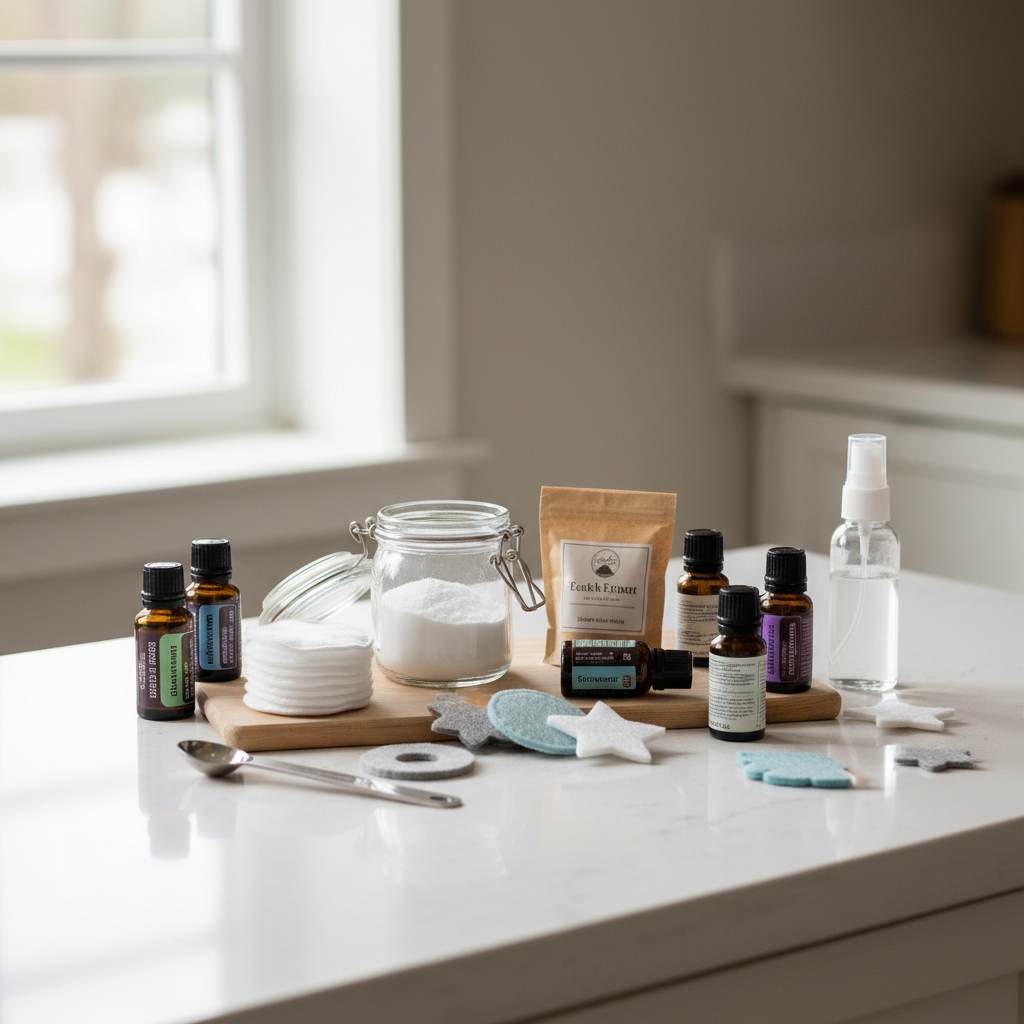
Pick your method: 5 DIY car air freshener types (what they’re good for)
Not every homemade option behaves the same in a hot vehicle, some are better at odor absorption, others are better at fragrance diffusion, and a few do both okay.
- Baking soda jar: best for neutralizing “stale” smells, mild scent only.
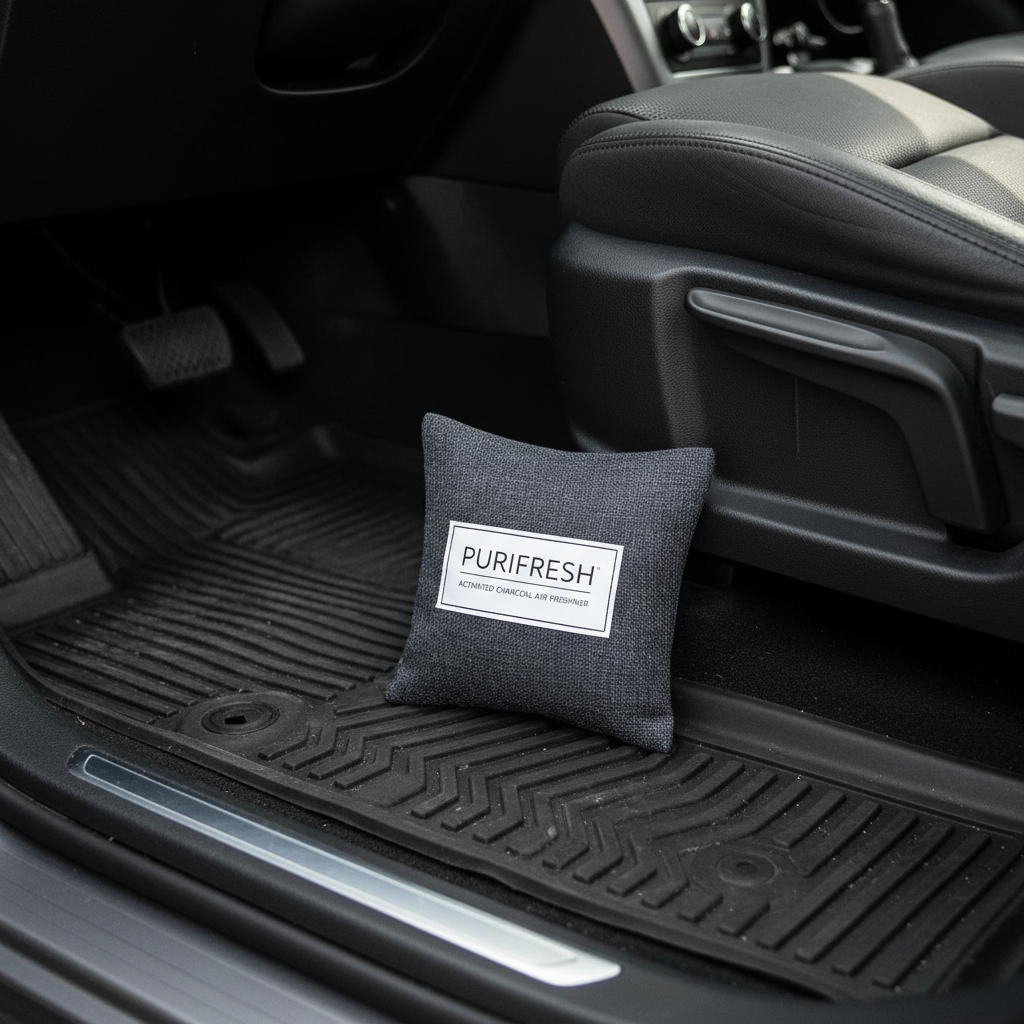
- Charcoal pouch: best for stubborn odors, little to no fragrance.
- Felt/wood diffuser: best for steady scent, weaker on true odor removal.
- Gel freshener: good balance, can be strong if you overdo oils.
- Spray refresher: quick fix, short-lived, great for fabric touch-ups.
If your main goal is eliminating smells, start with baking soda or charcoal, then add a light diffuser for scent, that combo feels “clean” instead of “covered up.”
Quick self-check: what kind of car odor are you dealing with?
Before you mix anything, it helps to label the problem, because “air freshener” won’t beat an active odor source.
- Food smell that lingers: often stuck in carpet, seat seams, and cabin filter.
- Musty or damp smell: can point to moisture in floor mats, trunk, or HVAC.
- Smoke smell: tends to cling to headliner and upholstery, usually needs deeper cleaning.
- Pet odor: often comes from fabric oils plus hair in vents and under seats.
- “New-to-you used car” smell: a mix of old products, dust, and trapped VOCs.
Key point: if the smell gets worse when the AC turns on, your cabin air filter or evaporator area might be involved, in that case a freshener helps, but cleaning and maintenance matter more.
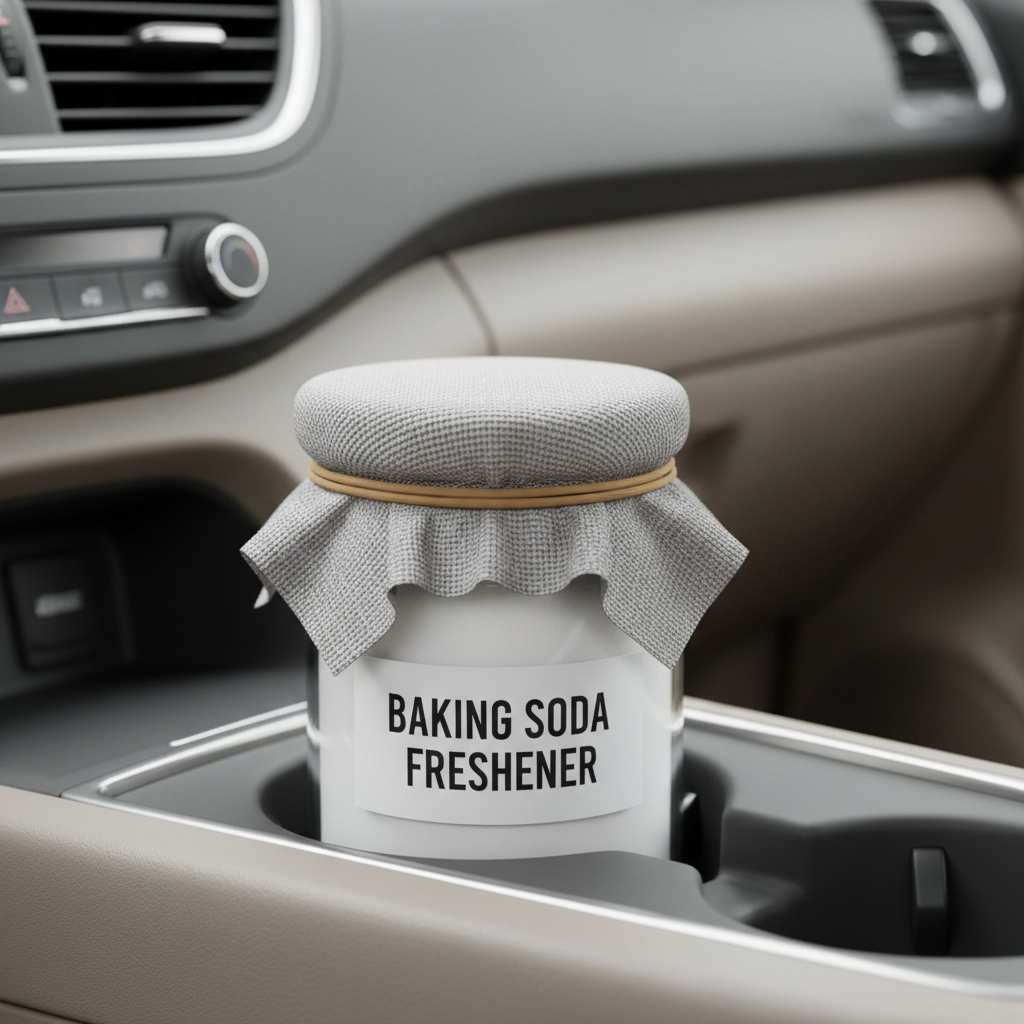
Recipe 1: Baking soda jar freshener (simple, low-risk, actually helps odors)
This is the most forgiving approach for people learning how to make homemade car air freshener, because it’s hard to make it overwhelming and it focuses on odor control.
What you’ll need
- Small jar with lid (mason jar or spice jar)
- Baking soda
- Essential oil (optional)
- Paper, coffee filter, or breathable fabric + rubber band
Steps
- Fill jar about 1/2 to 2/3 with baking soda.
- Add 8–15 drops essential oil, stir gently.
- Cover opening with coffee filter or fabric, secure with a rubber band, or poke small holes in the lid.
- Place in a stable spot, cup holder, door pocket, or under a seat where it won’t tip.
Refresh by shaking lightly every few days, replace the baking soda about once a month, sooner if your car odor is heavy.
Recipe 2: Felt or wooden diffuser (for consistent scent without the “chemical” vibe)
If your car already feels clean and you mostly want a pleasant scent, a passive diffuser works well, it’s also the least messy option.
What you’ll need
- Felt shapes, wool balls, or unfinished wood discs
- Essential oil
- Small tin or breathable bag, optional for storage
Steps
- Add 3–6 drops oil to felt or wood, let it absorb for a minute.
- Place it in a vent clip holder, hang it, or set it in a tray in a cup holder.
- Re-dose lightly when the scent fades, usually every 3–7 days depending on heat.
Heat note: cars get hot, scent can spike fast, start small and add later rather than trying to “fix” an overpowering smell.
Recipe 3: Gel freshener (longer-lasting, good for larger vehicles)
Gel is nice when you want a steady output, but it’s the one method where measuring matters, too much fragrance oil can feel intense.
What you’ll need
- Unflavored gelatin packets
- Water
- Salt (helps discourage mold in many cases)
- Small jar or tin with a lid
- Essential oil, optional food coloring
Steps
- Heat 1/2 cup water until hot, not boiling.
- Dissolve 2 gelatin packets, stir until smooth.
- Add a pinch of salt, then 10–20 drops essential oil.
- Pour into container, let it set, then crack the lid or poke holes.
Replace if you see moisture buildup, mold, or a sour note, gel is not worth “saving” once it turns.
Recipe 4: Fabric + air spray (fast reset for seats and carpets)
Sprays are handy after gym bags, takeout, or a beach trip, and they pair well with odor absorbers. According to U.S. Environmental Protection Agency (EPA), improving ventilation and removing pollutant sources are practical steps for better indoor air quality, that same logic applies in a small car cabin, air it out, clean what’s causing the smell, then add scent lightly.
What you’ll need
- 2 oz spray bottle
- Distilled water
- Vodka or witch hazel (optional, helps scent disperse)
- Essential oil (optional)
Steps
- Fill bottle with 3 parts water and 1 part vodka or witch hazel.
- Add 6–12 drops essential oil, shake well.
- Mist lightly onto fabric mats or seats from 8–12 inches away, avoid leather and screens.
Safety note: essential oils can irritate some people and pets, and some oils may stain fabrics, test a hidden spot, and if you have asthma or sensitivities, consider skipping fragrance entirely and focusing on cleaning plus charcoal.
Which ingredients work best? A practical comparison table
If you’re trying to decide between “smell good” and “remove smell,” this quick table usually clarifies what to buy.
| Option | Best for | Scent strength | Mess risk | Typical upkeep |
|---|---|---|---|---|
| Baking soda jar | General odor control | Low to medium | Low | Replace monthly |
| Activated charcoal pouch | Smoke, musty, “old car” odors | None | Very low | Sun-dry, rotate monthly |
| Felt/wood diffuser | Consistent fragrance | Medium | Very low | Re-dose weekly |
| Gel freshener | Longer-lasting scent | Medium to high | Medium | Replace every 3–6 weeks |
| Spray | Quick refresh | Low to medium | Low | As needed |
Make it last: odor control steps people skip (but they matter more)
When someone says their DIY freshener “doesn’t work,” the issue is often that the smell source keeps producing odor. This is the unglamorous part, but it’s what makes how to make homemade car air freshener feel effective instead of temporary.
- Trash and hidden food: check under seats, door pockets, trunk corners.
- Cabin air filter: if it’s old, the car can smell dusty or musty, replacement intervals vary by vehicle and conditions.
- Floor mats and fabric: wash mats, vacuum seams, spot-clean spills rather than masking them.
- Vent purge: run fan on fresh air for a few minutes after you park, it can reduce lingering moisture in many cases.
According to Centers for Disease Control and Prevention (CDC), improving ventilation helps reduce airborne contaminants indoors, for a car that often means cracking windows when safe and practical, especially after using any spray or strong scent.
Common mistakes (and safer, less annoying fixes)
- Using too much essential oil: start low, add later, overpowering scent can cause headaches.
- Spills in heat: avoid open liquids, secure jars so they can’t tip, especially in cup holders.
- Putting fresheners on airbags or near pedals: keep items away from safety systems and driver footwell.
- Assuming “natural” means harmless: some people react to fragrances, if anyone in the car has respiratory issues, consider fragrance-free odor absorbers.
- Ignoring moisture: musty smell often returns until damp mats or leaks get addressed.
Key takeaway: if you want a car that smells clean, pair one odor-remover (baking soda or charcoal) with one light scent method (felt/wood), and keep the source under control.
When to get professional help (or at least a deeper clean)
DIY is great, but some smells signal a problem that an air freshener won’t solve.
- Persistent mildew or “wet” odor: could be water intrusion, clogged drains, or damp insulation, a detailer or mechanic can help diagnose.
- Sweet smell: sometimes linked to coolant leaks, if you suspect this, a mechanic should check it soon.
- Burning smell: stop driving if it feels unsafe, consult a professional.
- Smoke odor in a used car: ozone treatments and deep upholstery cleaning can help, but they’re best handled by experienced pros.
If you’re unsure, it’s reasonable to ask a mechanic or professional detailer, especially when odors come with fogging, damp carpets, or health symptoms.
Conclusion: a homemade freshener works best when it’s part of a clean-car routine
Once you know how to make homemade car air freshener in a way that matches your odor type, the results tend to feel more controlled and less “fake” than many store-bought options. Start with baking soda or charcoal if odor is the real issue, then add a small diffuser for the scent you actually like.
If you want one action that pays off fast, replace or check the cabin air filter and vacuum the fabric surfaces, then choose one DIY method to maintain that baseline.
If you try one recipe this week, make it the baking soda jar, it’s cheap, low-mess, and easy to tweak until the scent sits right.
Key points to remember
- Remove odors first, then add fragrance lightly.
- Cars amplify scent in heat, start with fewer drops.
- Charcoal helps when you want no fragrance but less stink.
- Musty or burning smells can signal issues worth a professional look.