
how to refresh gel air freshener in car usually comes down to three things: the gel has dried out, airflow around it is wrong, or the scent is “nose-blind” and you stop noticing it even though it still works.
If your gel freshener smells great for a day or two, then fades, don’t assume it’s “bad.” In many cars, heat cycles, sun exposure, and where you place the jar can shorten the useful scent window. The good news is you can often get it back to “noticeable” without doing anything sketchy.
This guide walks through quick checks, safe ways to revive scent, and the point where replacing the gel is smarter than forcing it. I’ll also call out common DIY tricks that can make a mess or create an irritating smell in a small cabin.
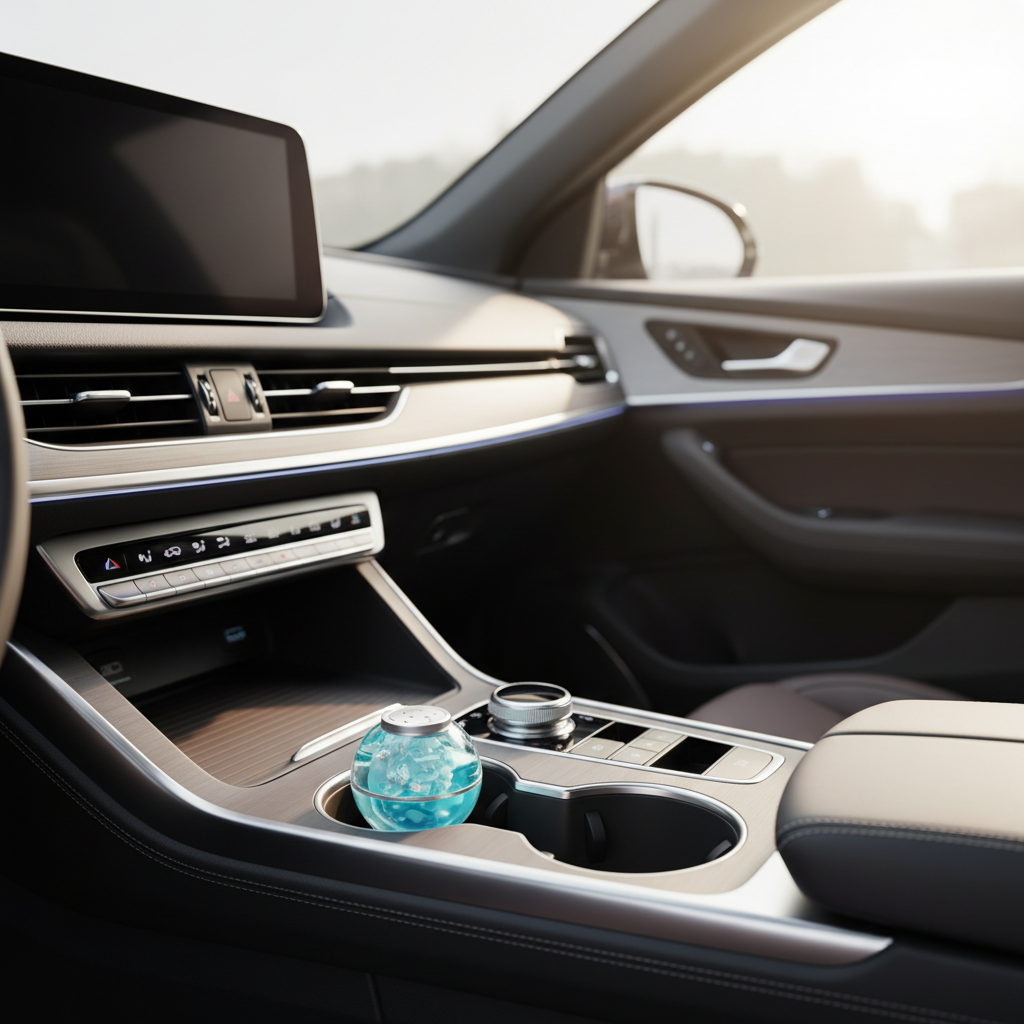
Why gel fresheners fade in cars (even when they look “full”)
Gel fresheners release fragrance as volatile compounds evaporate, so the cabin environment matters a lot. A gel can look unchanged but still lose the parts that smell strongest.
- Heat and UV exposure: hot dashboards and sun can speed evaporation and distort the scent profile, sometimes leaving a flatter, “chemical” note.
- Low airflow: tucked in a door pocket or under a seat, the scent has nowhere to travel, so it feels weak.
- Cabin odor wins: food spills, wet mats, smoke residue, and pet odor can overpower the fragrance, making it seem like it stopped working.
- Olfactory fatigue: you adapt to a constant smell, so you stop noticing it. Passengers may still smell it.
According to the U.S. Environmental Protection Agency (EPA), improving ventilation and controlling moisture are key steps for managing indoor air quality, which applies to small enclosed spaces like a vehicle cabin as well.
Quick self-check: is it a placement problem, an odor problem, or the gel is done?
Before you try to “refresh” anything, figure out what’s actually happening. This takes two minutes and prevents you from wasting time.
Fast tests you can do today
- Passenger check: ask someone who hasn’t been in the car recently if they smell it within 30 seconds.
- Vent test: put the gel near (not inside) a vent for a short drive, AC on low. If you notice it again, you mainly had an airflow issue.
- Odor source check: sniff near floor mats, trunk, seat fabric, and cup holders. If the “bad smell” is strongest near one spot, the freshener isn’t the real fix.
- Gel condition: if the gel is shrunken, cracked, or crusted, it’s near end-of-life; “reviving” will be limited.
How to refresh gel air freshener in car: safe methods that actually help
There’s no magic reset button, but you can often boost performance by improving release conditions and removing competing odors. Pick one method, wait a day, then decide whether it helped.
1) Re-position for controlled airflow
The simplest refresh is moving it where gentle air can carry the scent.
- Place it in a cup holder or a stable console area, not on the dash.
- Avoid blocking airbags or placing loose items where they can become a projectile during braking.
- If your car has strong vents, keep the gel 6–12 inches away to prevent rapid burn-off.
2) Open/adjust the lid for more surface exposure
Many gel products have a sliding or peel-back cover. More exposed surface usually means more scent, but also faster depletion.
- Open the vented top one notch further and monitor for 24–48 hours.
- If it becomes overpowering or irritating, dial it back and rely on better placement instead.
3) Warm it gently with normal cabin temperature, not direct sun
A slightly warmer cabin can increase fragrance release, but direct sunlight can warp plastic and create leaks.
- Let the car warm naturally during a drive, then check scent strength.
- Skip “baking it on the dash” as a refresh trick, that’s how people end up with sticky residue.
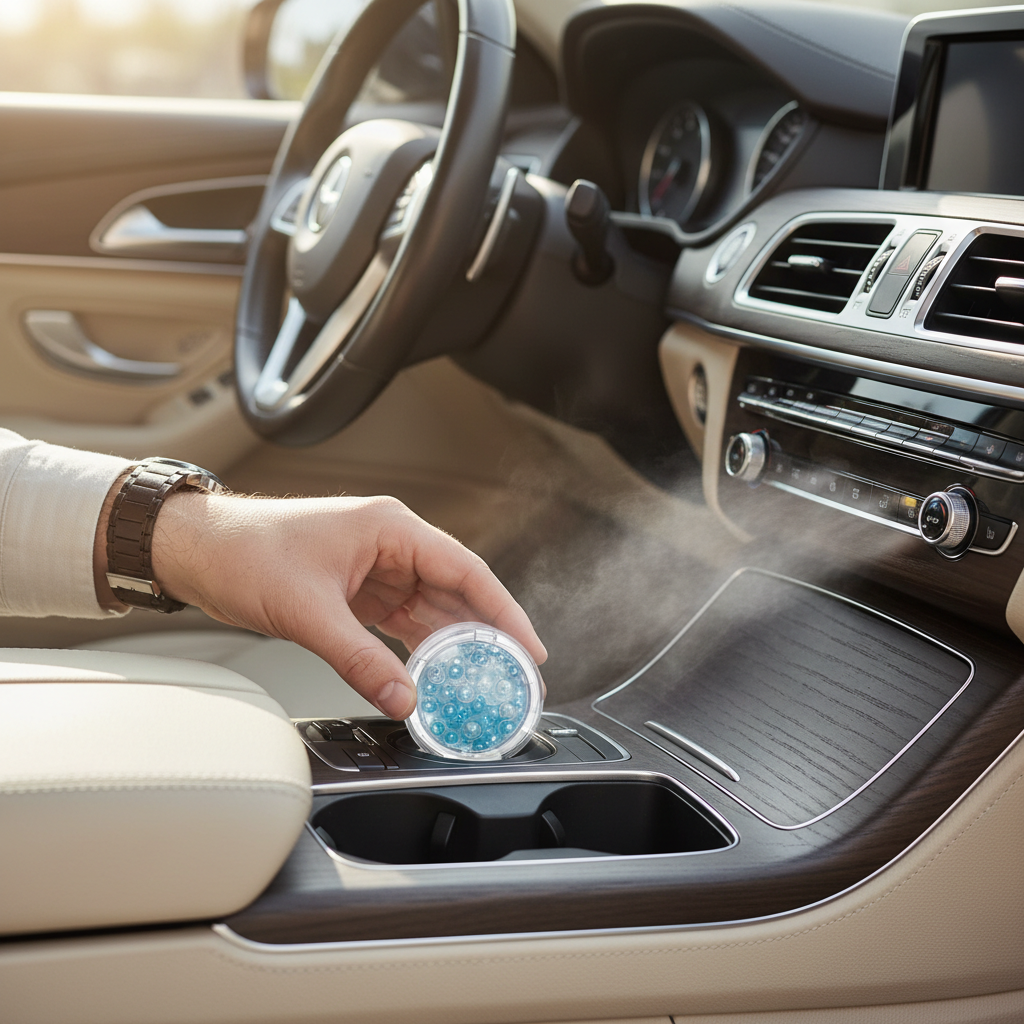
4) Clean the container rim and vent holes (tiny step, surprisingly common)
If gel residue or dust clogs the vented lid, scent release drops.
- Wipe the lid and rim with a slightly damp microfiber cloth, then dry it.
- Keep water out of the gel itself; dilution can change how it evaporates and may create a sour smell.
5) Remove competing odors so the gel can “win” again
When people search how to refresh gel air freshener in car, a lot of the time the real issue is leftover odor trapped in fabric.
- Empty trash and wipe sticky cup holders and console seams.
- Vacuum seats and carpets, especially under child seats and floor mat edges.
- If mats are damp, dry them fully. Moisture keeps odors alive.
- Use a fabric-safe odor neutralizer if needed, and follow label directions.
What not to do (messy DIY “refresh” tricks that backfire)
Some hacks float around that can turn a $5 freshener into a cleanup project, or make the cabin smell harsher. I’d avoid these in most situations.
- Don’t add essential oils into the gel jar: it can separate, leak, or create an overpowering mix that irritates eyes or throat.
- Don’t microwave or heat the container: plastic can deform, and hot gel can spill.
- Don’t add water: it often turns the gel cloudy and can cause uneven scent release.
- Don’t place it under a seat: low airflow plus heat from floor vents can cause quick fade and occasional staining if it tips.
If you’re sensitive to fragrance, keep the scent level lower and focus on cleaning and ventilation. According to the Centers for Disease Control and Prevention (CDC), improving ventilation helps reduce indoor contaminants; in a car, cracking windows during initial airing-out can help too.
Refresh vs replace: a practical decision table
Sometimes refreshing works, sometimes you’re just extending a tired product. Use this as a quick call.
| What you notice | What it usually means | What to do |
|---|---|---|
| Gel looks intact, scent is weak unless near a vent | Airflow/placement issue | Move to a stable spot with gentle airflow, adjust lid one notch |
| Passengers smell it, you don’t | Olfactory fatigue | Take a break from that scent, ventilate, rotate to a different fragrance |
| Gel is shrunken, cracked, crusty | Fragrance components depleted | Replace, refreshing will be limited |
| Car smells musty after rain, gel seems useless | Moisture/odor source | Dry mats, clean surfaces, check for leaks, then use freshener |
| Scent turns sharp or “plasticky” in heat | Overheating or scent breakdown | Relocate away from sun, consider replacing with a heat-tolerant option |
Step-by-step: a simple 15-minute refresh routine that covers most cases
If you want one repeatable routine, this is it. It’s conservative, low-mess, and works for many drivers.
- Minute 1–3: toss trash, remove food packaging, wipe cup holders
- Minute 4–8: quick vacuum of mats and seat cracks, especially front passenger area
- Minute 9–10: crack windows for a short drive or run fan for a few minutes
- Minute 11–13: wipe gel container lid and rim, dry it fully
- Minute 14–15: place gel in cup holder or console, adjust lid slightly, avoid direct sun
If you’re testing how to refresh gel air freshener in car, give your nose a fair shot by re-checking the next day, not five minutes later.
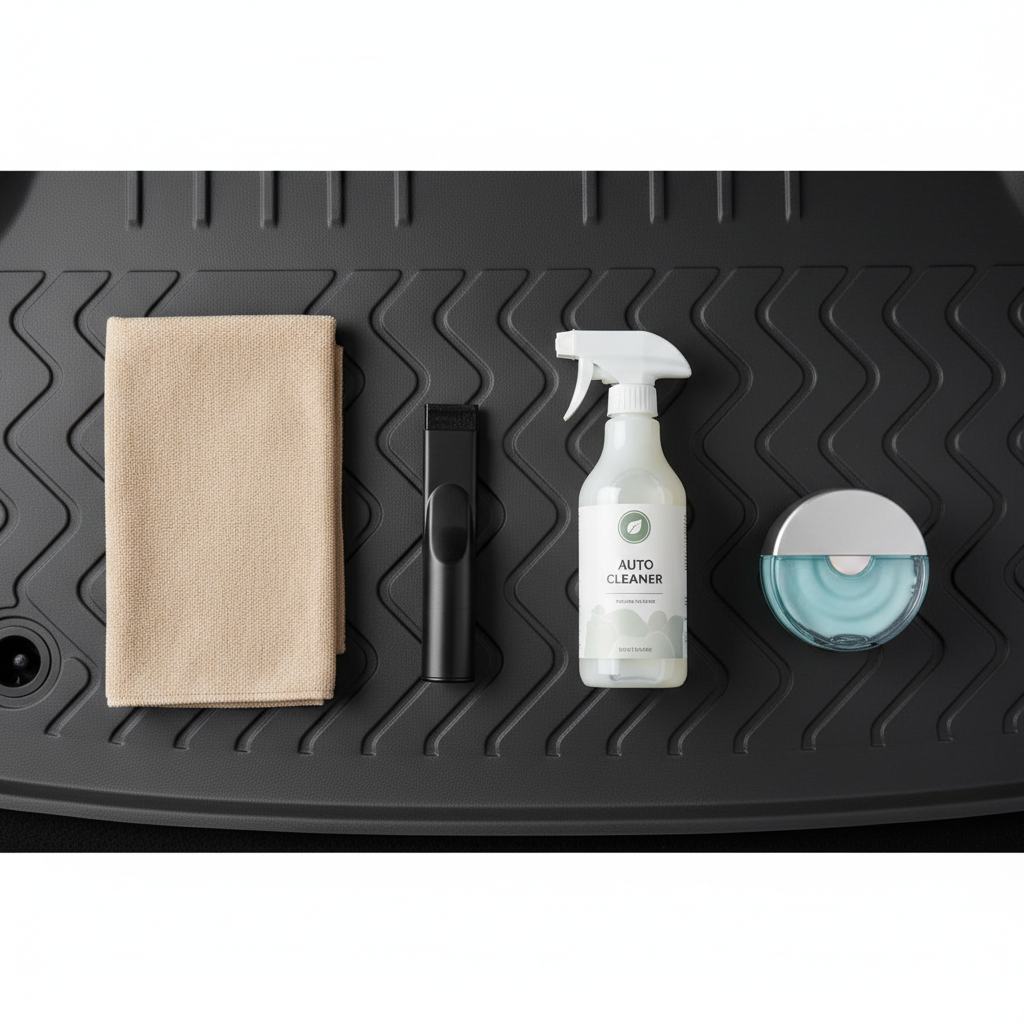
Key takeaways (so you don’t overthink it)
- Most “dead” gel fresheners are airflow or odor problems, not product failure.
- Refreshing works best when you clean competing odors and improve placement.
- Avoid DIY additions like oils or water, they often cause leaks or weird scent shifts.
- When the gel is cracked or shrunken, replacing is usually the better use of time.
When it’s worth getting extra help (or checking the car)
If the cabin odor keeps coming back fast, a freshener can mask it but won’t solve it. Consider extra help in these situations.
- Persistent musty smell after drying mats: you may have moisture under carpet or a leak, a detailer or mechanic can help diagnose.
- Eye/throat irritation with any fragrance: consider fragrance-free cleaning and ask a healthcare professional if symptoms persist.
- Smoke odor that won’t budge: professional detailing, ozone or chlorine dioxide treatments are sometimes used by pros, but they require careful handling and ventilation.
Conclusion: a fresher car usually starts with airflow and cleanup
Refreshing a gel freshener is rarely about “fixing the gel,” it’s more about giving it a fair environment to work in. Move it into gentle airflow, clean the lid, and knock down the odors in fabric and mats, then decide if it’s still worth keeping.
If you want a simple next step, do the 15-minute refresh routine once, then reassess the next day. If the gel still can’t keep up, replacing it and addressing the odor source tends to feel better than chasing more hacks.