
how to fix car power window motor weak movement usually comes down to one of three things: the motor isn’t getting full voltage, the window has extra drag, or the regulator is worn and forcing the motor to fight too hard.
If you catch it early, you can often get the window moving smoothly again with cleaning, lubrication, and a couple of simple electrical checks, without immediately buying a motor. Ignore it long enough and you risk a stuck-open window, a burned motor, or a broken regulator cable at the worst time.
A quick note before you start: power windows can pinch fingers, and door panels often hide sharp edges. If anything feels sketchy, it’s reasonable to stop and ask a shop for help.
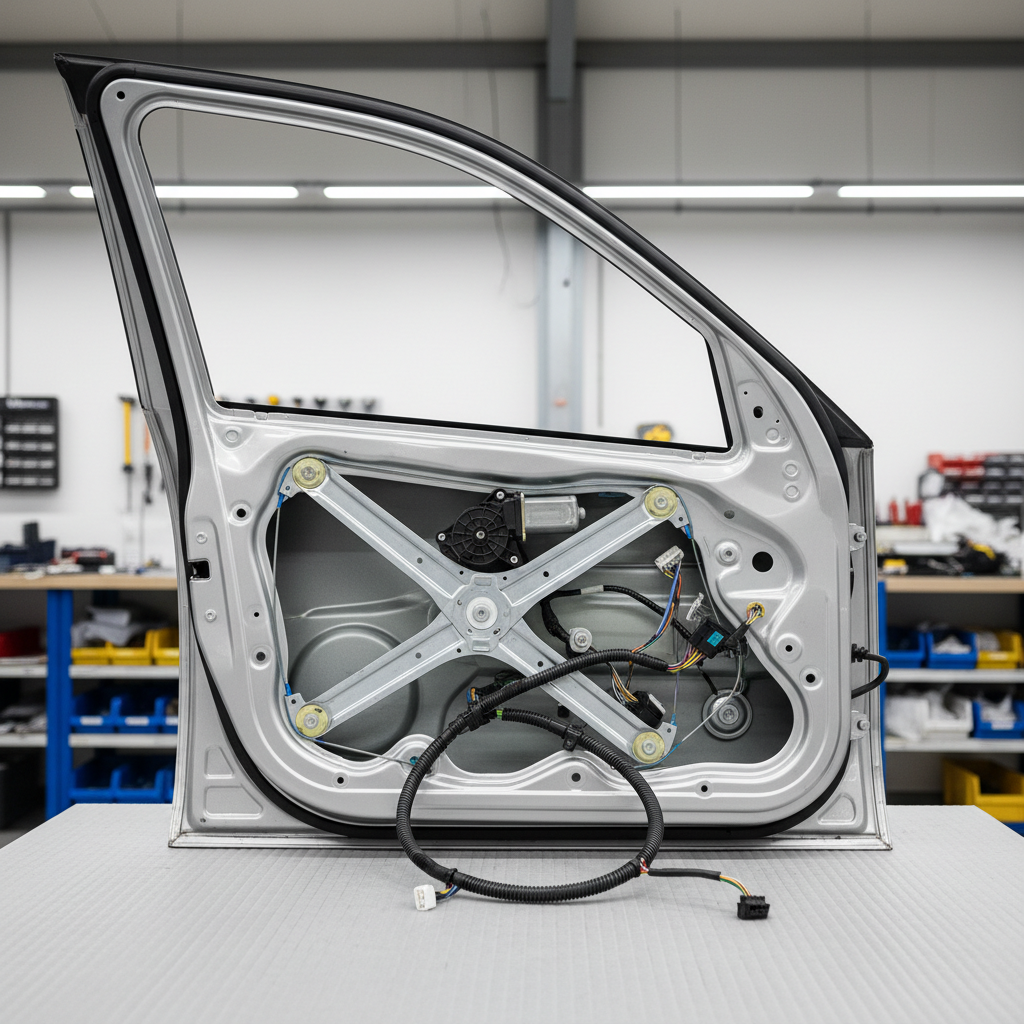
What “weak movement” usually looks like (and what it hints at)
Most drivers describe the same few symptoms: the glass creeps up, slows near the top, or moves fine going down but struggles going up. That pattern matters.
- Slow only going up: often friction in the run channels, dry tracks, misaligned glass, or a regulator starting to bind.
- Slow both directions: can be low system voltage, tired motor, or heavy drag from hardened seals.
- Moves, then pauses: a regulator cable or scissor mechanism may be catching, or the motor thermal protection may be heating up.
- Works better with engine revved: points strongly toward voltage drop or charging/battery issues.
According to NHTSA, power windows can pose pinch hazards, especially for children, so treat any malfunction as a safety issue and avoid testing with hands near the glass edge.
Root causes: why the motor feels “weak” even when it’s not dead
In real-world repairs, the motor isn’t always the villain. A “weak” motor can be a perfectly good motor being starved or overloaded.
1) Voltage drop in the circuit
Corroded connectors, tired switches, and marginal grounds add resistance, so the motor sees less voltage under load. You may still hear the motor, but it can’t produce enough torque.
2) Mechanical drag in the window path
Dry felt channels, sticky weatherstrips, and dirt in the run can make the glass feel like it weighs twice as much. In cold weather, stiff seals make this even worse.
3) Regulator wear or misalignment
Cable regulators can fray or slip, scissor regulators can bind at pivots, and guides can loosen. The motor tries, current spikes, speed drops.
4) A tired motor (brushes/commutator)
Motors do wear. Brushes and commutators can degrade, so the motor draws more current and makes less torque. It may also get hot and slow down.
Quick self-check checklist (10 minutes, no special tools)
Before pulling the door apart, run these checks. They help you decide whether you’re chasing power supply, friction, or parts wear.
- Does it improve with the engine running? If yes, suspect low voltage or voltage drop.
- Compare left vs. right front windows: if one is clearly slower, it’s usually a door-specific issue (tracks, regulator, motor, switch).
- Listen for pitch change: a motor that bogs (lower pitch) suggests heavy load; a motor that sounds normal but glass barely moves suggests regulator slip/bind.
- Try the master switch vs. the door switch (if applicable): different behavior can point to a failing switch contact.
- Check the glass for wobble: loose glass in the sash can bind in the channels.
Key point: if the window tilts, crunches, or you hear cable “twang,” stop cycling it. Continuing can turn a borderline regulator into a broken one.
Practical fixes by scenario (start with the least invasive)
Here’s a sensible order that avoids buying parts too early. Many cases of how to fix car power window motor weak movement improve with steps 1–3.
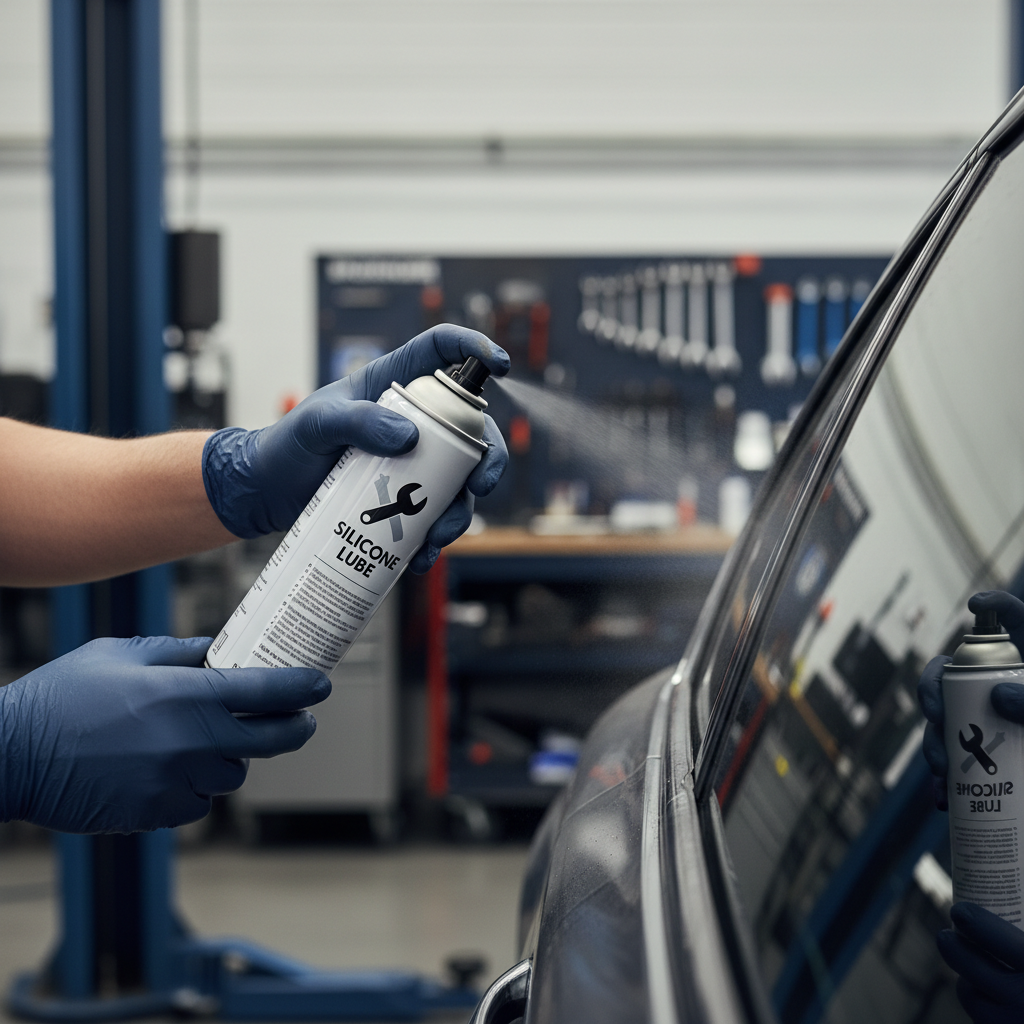
1) Clean and lubricate the run channels and seals
This is the highest value step when the window slows near the top or in cold weather.
- Clean the felt/rubber channels with mild soap and water on a microfiber cloth, remove grit.
- Use a silicone-based spray (safe for rubber) lightly in the channels. Avoid petroleum grease on rubber seals.
- Cycle the window a few times, but stop if it binds or tilts.
If lubrication makes a big difference, you likely had friction as the primary problem, not a dead motor.
2) Confirm battery/charging basics (especially if multiple windows feel slow)
If several electrical items feel sluggish, don’t overthink the door yet.
- Check battery terminals for corrosion and tightness.
- If the car struggles to start or lights dim heavily with the window switch, the battery or charging system may be marginal.
According to AAA, weak batteries are a common cause of no-start situations; even before a no-start, low voltage can show up as slow accessories. If you suspect charging issues, a parts store test or a shop check is often faster than guessing.
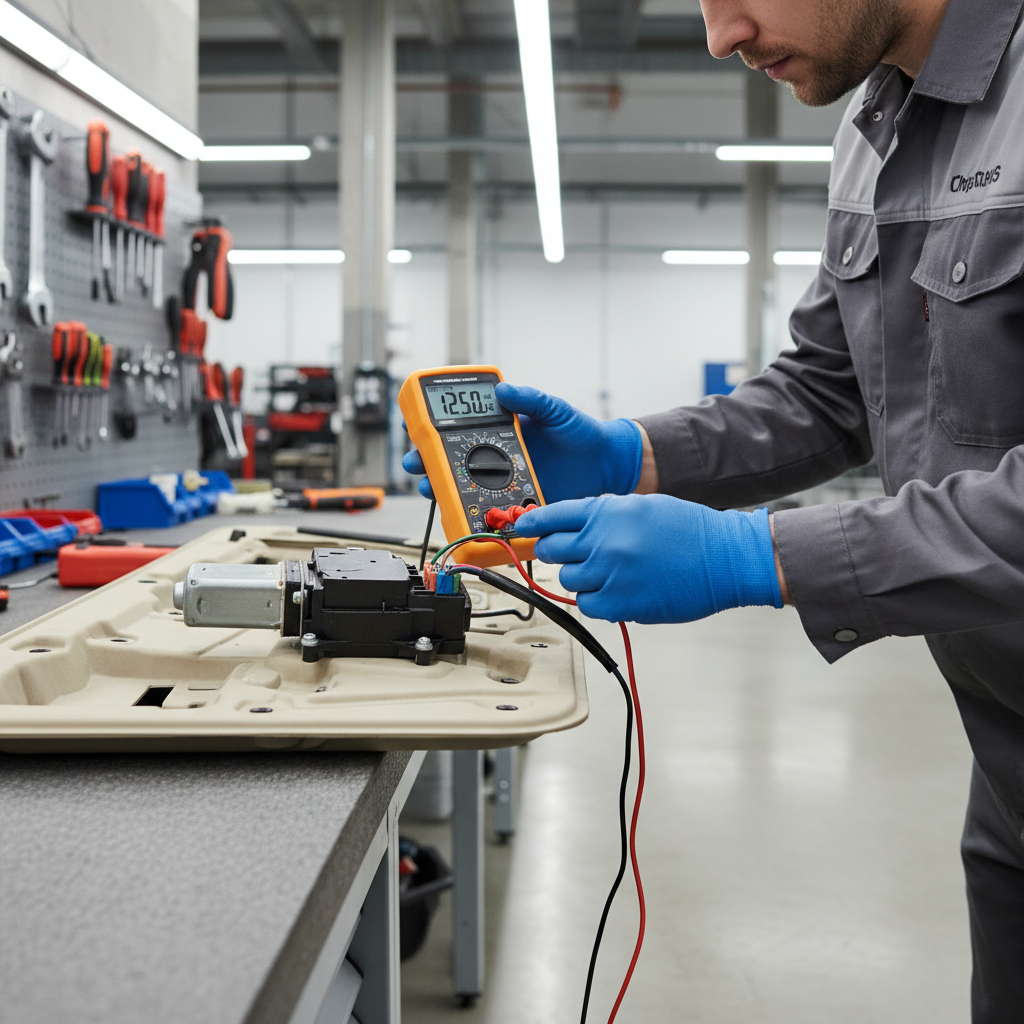
3) Do a simple voltage-drop test (best “truth serum” for weak windows)
If you have a multimeter, this is where you stop guessing. The idea: measure voltage while the motor is trying to lift the window.
- With the engine running, back-probe the motor connector if accessible, or test at the switch harness if not.
- Command the window up and watch the voltage.
- If the measured voltage is notably below system voltage under load, you likely have resistance in the switch, wiring, connector, or ground.
In many door circuits, cleaning a ground point or replacing a worn switch restores speed without touching the motor.
4) Inspect regulator condition and window alignment (door panel off)
If lubrication and voltage checks don’t change much, it’s time to look inside the door. You’re hunting for binding, cable fray, loose guides, and worn rollers.
- Look for kinked cable, broken plastic pulleys, or missing clips on cable regulators.
- On scissor regulators, check pivot points for play and signs of metal-to-metal rubbing.
- Confirm the glass sits square in the channels and the sash is tight.
If the regulator binds by hand (with the glass supported and motor disconnected), the motor is not your main issue.
5) When replacing the motor makes sense
Motor replacement becomes the logical move when the window path is smooth, voltage at the motor is healthy under load, and speed still lags or fades as the motor warms.
- Replace the motor alone if your vehicle design allows it and the regulator is clearly fine.
- Consider a motor + regulator assembly if the regulator shows wear; many shops prefer this to avoid repeat labor.
Some vehicles require regulator removal to swap the motor anyway, so the cost difference can be mostly parts, not labor.
Decision table: symptoms → likely cause → what to do next
Use this to choose your next step without bouncing between random fixes.
| What you notice | Most likely cause | Best next step |
|---|---|---|
| Slow going up, better going down | Friction in channels/seals, slight misalignment | Clean + silicone lube, inspect glass alignment |
| Much faster with engine running | Low voltage or voltage drop | Battery/charging check, voltage-drop test at motor |
| Moves then stalls, clicking/jerking | Regulator binding or cable wear | Door panel off, inspect regulator, stop cycling |
| Only one switch works well | Worn switch contacts or connector issue | Test/replace switch, clean connector pins |
| Slow both directions, voltage OK, channels smooth | Worn motor brushes/commutator | Replace motor (or motor + regulator if aged) |
Common mistakes that waste time (or break parts)
- Spraying the wrong lubricant: thick grease in felt channels can collect dirt and make drag worse over time; silicone is usually safer for rubber and felt.
- Replacing the motor without checking drag: a new motor can feel better briefly, then burn out if the regulator binds.
- Ignoring a tilting window: tilt often means the glass came loose or a guide failed, and forcing it can shatter glass.
- Testing repeatedly until it stops: motors can heat-soak; if it slows after a few cycles, give it time to cool and diagnose the load/voltage issue instead.
Also, don’t forget the simple stuff: a child lock or window lock switch can mimic a failing control in some vehicles.
When to stop DIY and get professional help
If you’re comfortable with trim removal and basic testing, many slow-window fixes are DIY-friendly. But some situations justify calling a pro.
- Glass tilts, pops, or looks off-track: risk of breakage and injury climbs quickly.
- Electrical burning smell, hot switch, or melted connector: potential overheating or high resistance; a technician should inspect.
- Side airbag in the door: common on many vehicles; improper handling can be unsafe, so consult a service manual or a qualified shop.
- You need the window secured today: shops can often pin the glass up safely while waiting for parts.
According to OSHA, following safe work practices around tools and pinch points matters; if you’re unsure about door airbags or electrical testing, asking a professional is the safer call.
Conclusion: the fastest path to a smooth window again
Most fixes for how to fix car power window motor weak movement start with reducing drag and verifying power delivery, then moving to regulator inspection, and only then replacing the motor if the numbers and symptoms support it.
Two practical next steps: clean and silicone-lube the run channels today, then, if the speed still feels weak, do a voltage-under-load check before ordering parts. That one test prevents a lot of “I replaced it and nothing changed” frustration.
Key takeaways
- Slow windows often mean friction or voltage drop, not automatically a failed motor.
- Lubrication helps most when the window slows near the top or in colder weather.
- A voltage-drop test under load is the cleanest way to confirm wiring/switch issues.
- If the window tilts or binds, inspect the regulator before you burn up a new motor.
FAQ
Why is my power window slow but not stuck?
That often means the motor still works but is dealing with extra resistance or low voltage under load. Cleaning/lubricating the channels and checking for voltage drop usually narrows it down quickly.
Can I just spray WD-40 in the window tracks?
Many people try it, but it’s not always a great long-term choice in felt channels because it can attract dirt. A silicone-based lubricant is commonly used for rubber and run channels, and tends to stay cleaner.
How do I know if it’s the switch or the motor?
If you measure healthy voltage at the motor while commanding the window up and it still moves slowly, the motor or mechanical load is more likely. If voltage at the motor drops noticeably compared to system voltage, the switch/wiring/ground becomes the lead suspect.
Why does the window move faster when I rev the engine?
Higher RPM can raise alternator output, which can mask weak battery/charging or high-resistance connections. It’s a strong hint to check charging health and do a voltage-drop test.
Is it better to replace the motor or the regulator assembly?
It depends on design and wear. If the regulator shows binding, cable damage, or worn rollers, replacing the assembly can reduce repeat labor. If the regulator is smooth and tight, a motor alone may be reasonable.
My window slows near the top only, what’s the most common fix?
Top-of-travel slowdowns often point to drag in the upper run channel or weatherstrip. Cleaning the channel and applying silicone lubricant is a good first move before buying parts.
Can a weak window motor drain the battery?
In some cases, a binding regulator or failing motor can draw higher current while the switch is held, which can stress wiring and the battery if the engine is off. If you notice dimming lights or warm switches, stop testing and inspect the circuit.
What if the window won’t go up and rain is coming?
If it still moves a little, you might coax it up gently, but avoid forcing it if it tilts. A shop can often secure the glass in the up position temporarily, which is safer than improvising around pinch points.
If you’re trying to fix a slow window quickly but want fewer guesses, a basic multimeter check plus a quick regulator inspection usually tells you whether you’re dealing with friction, voltage drop, or a worn assembly, and that makes the parts decision much less painful.