
Best car air filter for performance sounds like a simple shopping question, but most people get tripped up by the same thing: “more airflow” does not automatically mean “more power.” The right answer depends on your engine setup, where you drive, and how willing you are to maintain the filter.
If you want a cleaner pull at higher RPM, steadier throttle response, or you’re pairing intake parts with tuning, the air filter choice matters, just not in the way ads imply. Pick wrong and you can end up with more intake noise, worse filtration, or a check engine light you didn’t plan for.
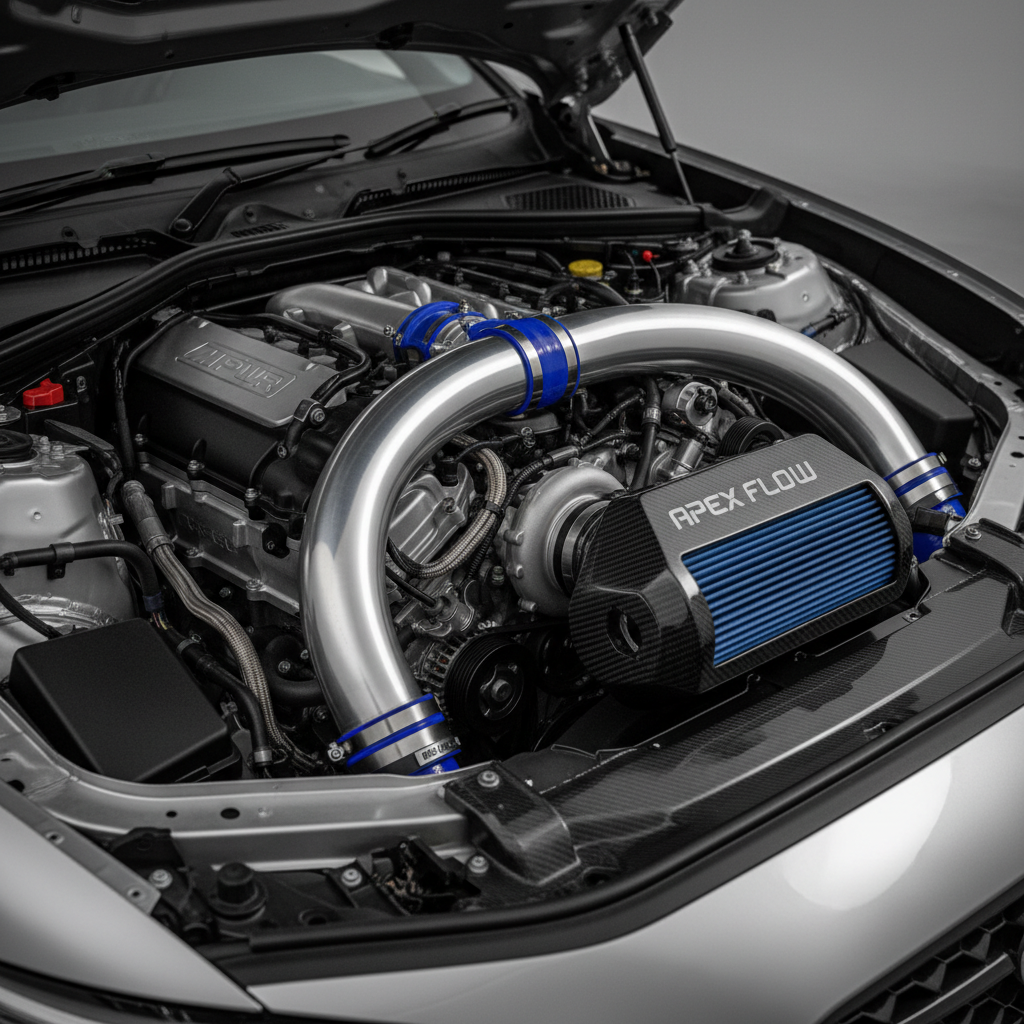
This guide breaks down what “performance” really means for filters, when an upgrade is worth it, and how to choose between oiled cotton gauze, dry synthetic, foam, and OEM-style paper. You’ll also get a quick checklist, a comparison table, and a few practical setups that work in real life.
What a “Performance” Air Filter Actually Does
A performance-oriented filter mainly aims to reduce restriction, meaning the engine can breathe with less effort. In many street cars, the factory filter already flows well enough that the difference you feel may be subtle unless the original filter is clogged or the rest of the intake becomes a bottleneck.
Here’s the more useful way to think about it:
- Airflow: How easily air passes through the media.
- Filtration: How well it captures fine dust and grit that can accelerate engine wear.
- Consistency: How stable performance stays as the filter loads with dirt.
- Maintenance burden: How often you’ll clean, oil, or replace it.
According to SAE International (Society of Automotive Engineers), air cleaner performance is typically evaluated by restriction, efficiency, and dust-holding capacity. Translation: you’re balancing flow, filtration, and how long it stays effective.
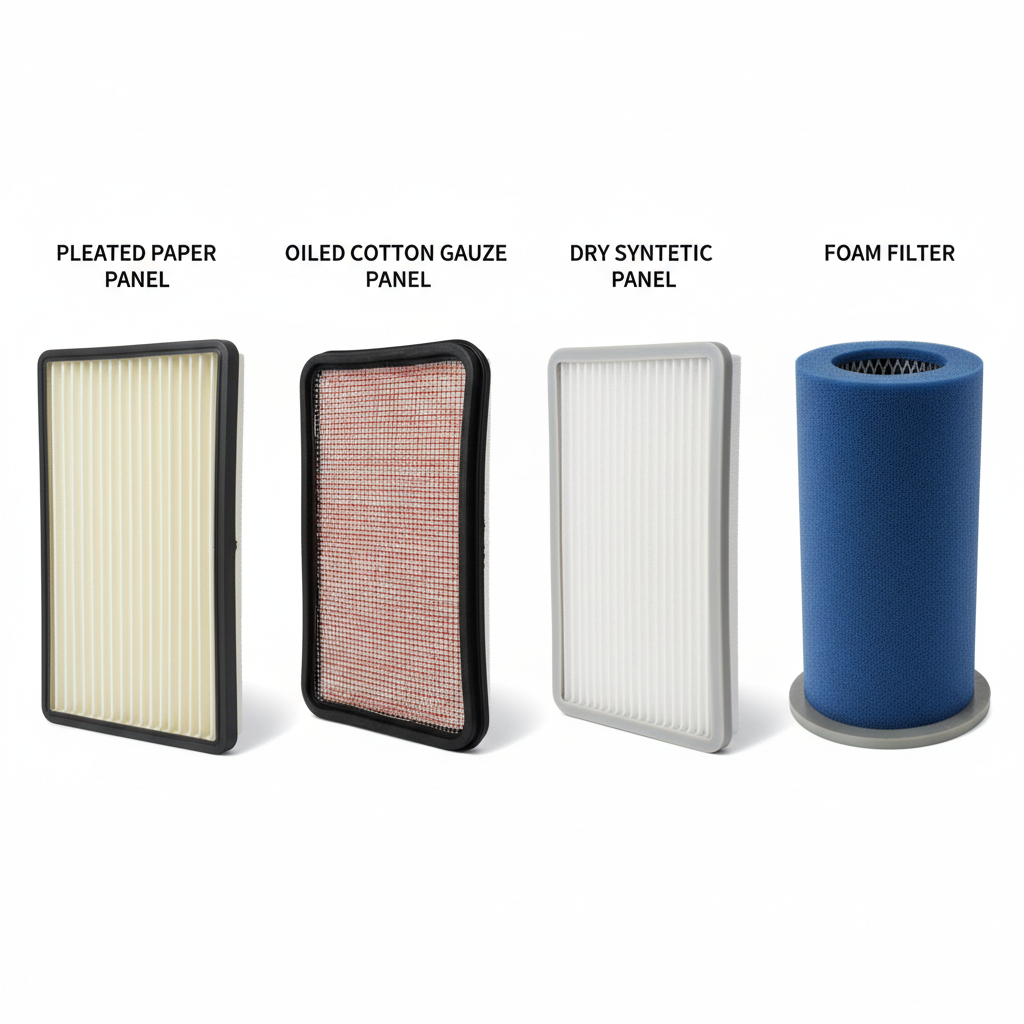
Common Types: Paper vs Cotton vs Dry Synthetic vs Foam
Most “best car air filter for performance” debates are really debates about media type and maintenance habits. Each style can make sense, but not for the same driver.
OEM-style paper (pleated)
- Why people like it: strong filtration, zero fuss, predictable fit.
- Where it shines: daily drivers, dusty areas, long service intervals.
- Tradeoff: not reusable; some designs have slightly higher restriction than aftermarket “high-flow” filters.
Oiled cotton gauze (reusable)
- Why people like it: usually flows well, reusable, popular in aftermarket intake kits.
- Where it shines: lightly modified cars, owners who will clean and oil correctly.
- Tradeoff: over-oiling can contaminate sensors on some vehicles, under-oiling can reduce filtration.
Dry synthetic (reusable)
- Why people like it: reusable without oil, simpler maintenance, often strong filtration.
- Where it shines: daily performance builds, people who want “install and forget” between cleanings.
- Tradeoff: cleaning still matters; ignoring it can raise restriction as it loads up.
Foam (often oiled)
- Why people like it: can perform well in off-road or very dusty use when matched correctly.
- Where it shines: dirt-focused applications, certain motorsport setups.
- Tradeoff: quality varies a lot; maintenance mistakes show up fast.
Quick Comparison Table: Picking What Fits Your Use
If you’re trying to choose without overthinking it, this table gets you close, then you can fine-tune based on your car.
| Filter type | Airflow potential | Filtration (fine dust) | Maintenance | Best fit for |
|---|---|---|---|---|
| OEM paper | Medium | High | Replace | Daily driving, dusty commutes |
| Dry synthetic reusable | Medium-High | High (often) | Clean | Street performance with low hassle |
| Oiled cotton gauze | High | Medium-High (varies) | Clean + oil | Enthusiasts who maintain properly |
| Foam (often oiled) | High | Medium-High (depends) | Clean + oil | Off-road, very dusty use cases |
Self-Check: Do You Even Need a “Performance” Filter?
Before buying anything, decide what problem you’re solving. A lot of frustration comes from expecting a filter to do the job of an intake redesign or a tune.
- Your current filter is dirty or old: you may feel improvement simply by restoring baseline airflow.
- You added airflow mods (intake, turbo inlet, larger throttle body): a less restrictive filter can help the whole system.
- You drive in heavy dust (construction routes, desert areas): prioritize filtration and dust-holding capacity over peak flow.
- You track the car (or do repeated pulls): consistency matters more than a “one run” gain.
- You hate maintenance: skip oiled media, pick paper or a dry reusable.
Key point: if you want the best car air filter for performance on a normal street car, the “best” choice is often the one you’ll service on time and install correctly.
How to Choose the Best Car Air Filter for Performance (By Scenario)
Below are practical matchups that tend to work well, without pretending there’s one universal answer.
Scenario A: Stock daily driver, want reliable improvement
- Choose a high-quality OEM paper filter or a dry synthetic reusable panel filter.
- Focus on proper fit and a clean airbox seal, not marketing claims.
- If your goal is smooth response, combine it with basic maintenance: clean MAF area (if applicable), check intake clamps, replace cracked ducting.
Scenario B: Street build with intake mods, no tune yet
- Pick a dry synthetic reusable or a well-supported oiled cotton gauze filter, depending on your maintenance tolerance.
- Keep expectations realistic: without tuning, gains may feel like slightly improved top-end or sound changes.
- Watch for drivability changes; if the car feels off, reverting to the previous filter is a simple test.
Scenario C: Tuned turbo car or forced induction setup
- Prioritize consistent airflow and good filtration, because compressors do not love grit.
- Make sure the filter surface area matches your airflow demand, a small cone filter in a hot bay often becomes the limiting factor.
- If your car uses a MAF sensor, be conservative with oiled filters unless you’re confident in oiling technique and cleaning intervals.
Scenario D: Dusty environments or off-road
- Lean toward OEM paper with frequent changes or a proven foam/oiled system designed for dust.
- Check the airbox and snorkel routing; sealing issues can matter more than filter brand.
Installation and Maintenance: Where “Performance” Usually Gets Lost
Even the best car air filter for performance can underdeliver if it’s installed sloppy or serviced wrong. This is the unglamorous part, but it’s where most avoidable issues come from.
Install checks that actually matter
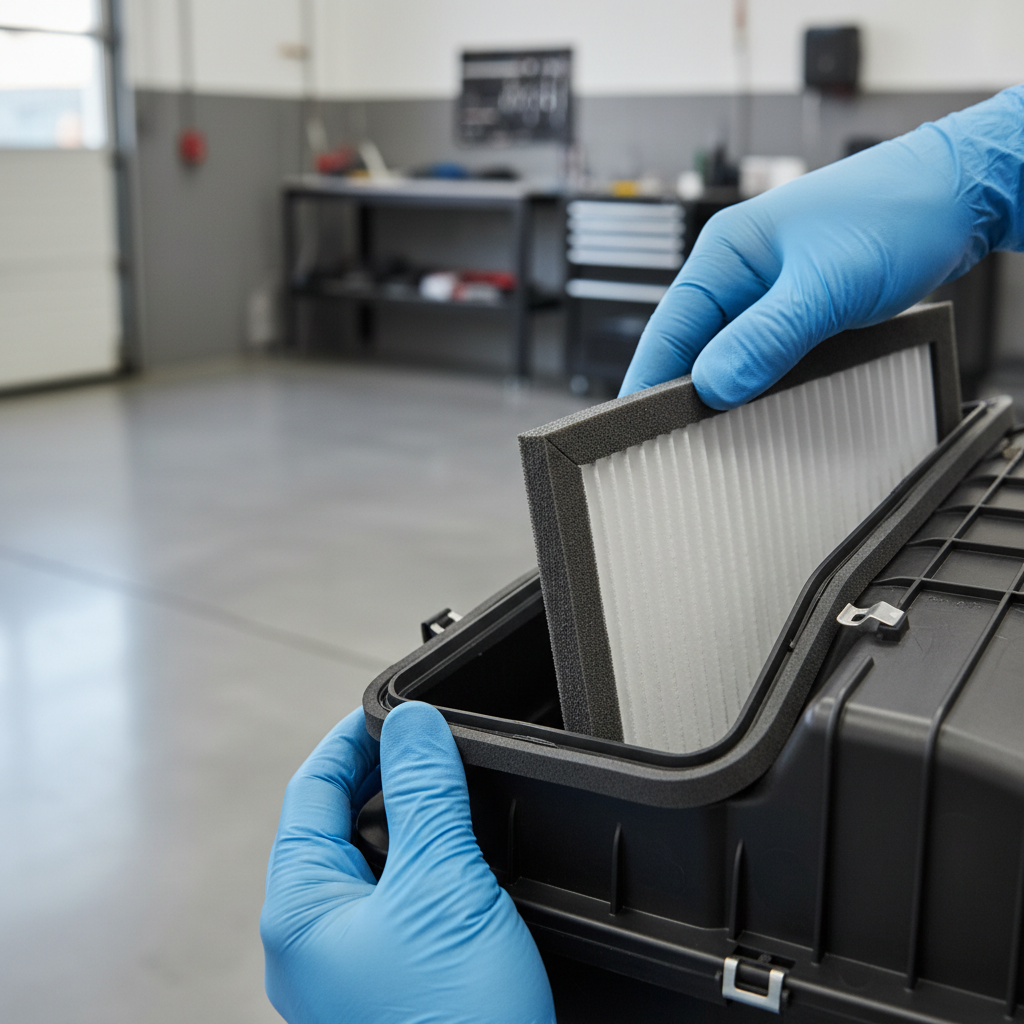
- Seal: the filter must seat evenly, no pinched gasket, no warped airbox lid.
- Clamps: snug, not stripped, and positioned so the tube cannot slip under load.
- Heat: open-element filters in a hot engine bay may pull hotter air at low speed, which can offset airflow benefits.
Maintenance basics by filter type
- Paper: replace when dirty, do not blow it out aggressively; you can damage the media.
- Dry reusable: wash per manufacturer directions, let it fully dry before reinstall.
- Oiled cotton/foam: clean thoroughly, apply oil evenly, then let it wick before reinstalling; avoid “extra for safety.”
According to U.S. Environmental Protection Agency (EPA), proper vehicle maintenance supports efficient operation and emissions control. A neglected intake system can contribute to drivability and efficiency issues, even if the filter itself is “high performance.”
Common Mistakes and Misconceptions (Avoid These)
- Mistaking sound for speed: more intake noise often feels faster, but it’s not the same as airflow under load.
- Buying the smallest cone filter that “fits”: surface area matters; too small loads up fast and becomes restrictive.
- Over-oiling an oiled filter: this can cause sensor contamination on some vehicles, leading to rough running or a check engine light.
- Ignoring the airbox and ducting: cracks, loose joints, or missing clips can pull hot air or unfiltered air.
- Assuming one brand works for every platform: filtration needs and sensor sensitivity vary by engine design.
Practical takeaway: if you want a noticeable result, pair the filter choice with a clean, sealed intake path and realistic expectations for your setup.
When to Get Help (Or At Least Double-Check)
If you change the filter and the car starts idling rough, hesitating, or throwing a check engine light, stop guessing. Re-check fitment and clamps, and consider reinstalling the previous filter as a baseline test.
- MAF-related codes or weird fuel trims after an oiled filter: a shop can inspect the sensor and confirm whether contamination or airflow scaling is involved.
- Tuned setups: ask your tuner whether your intake and filter combo requires MAF scaling or calibration changes.
- Off-road/dust exposure: if you see dirt past the filter, you may have a sealing or housing issue that needs hands-on diagnosis.
This is not medical advice territory, but it is “avoid expensive mistakes” territory, and a quick inspection from a qualified mechanic often costs less than chasing symptoms with more parts.
Conclusion: A Smart “Best” Pick Is the One You’ll Maintain
For most U.S. drivers, the best car air filter for performance is the one that balances airflow with dependable filtration, and matches how you actually use the car. If you want low drama and solid results, a quality OEM-style paper filter or a dry reusable panel is usually the safest bet. If you enjoy maintenance and want maximum flow potential, an oiled cotton setup can make sense, as long as you keep oiling disciplined and the intake sealed.
Action steps: check your current filter condition, decide whether your goal is response, consistency, or sound, then choose the media type you’ll service on schedule. If you’re already modded or tuned, confirm the filter choice supports your intake design rather than fighting it.