
The best car air compressor for offroad use is the one that can air up four tires reliably, won’t overheat halfway through, and matches how you actually travel, solo, with a group, or towing.
On the trail, tire pressure is not a nice-to-have, it’s your traction and your ride comfort, and it’s also how you avoid slicing a sidewall on rocks. Airing down helps, but the real test comes later when you need to air back up at the end of the day.
A lot of people buy a compressor that “looks rugged,” then discover the duty cycle is short, the clamps get hot, or the hose barely reaches the rear tires. This guide focuses on what matters in real offroad situations, how to choose, how to use it safely, and what to skip.
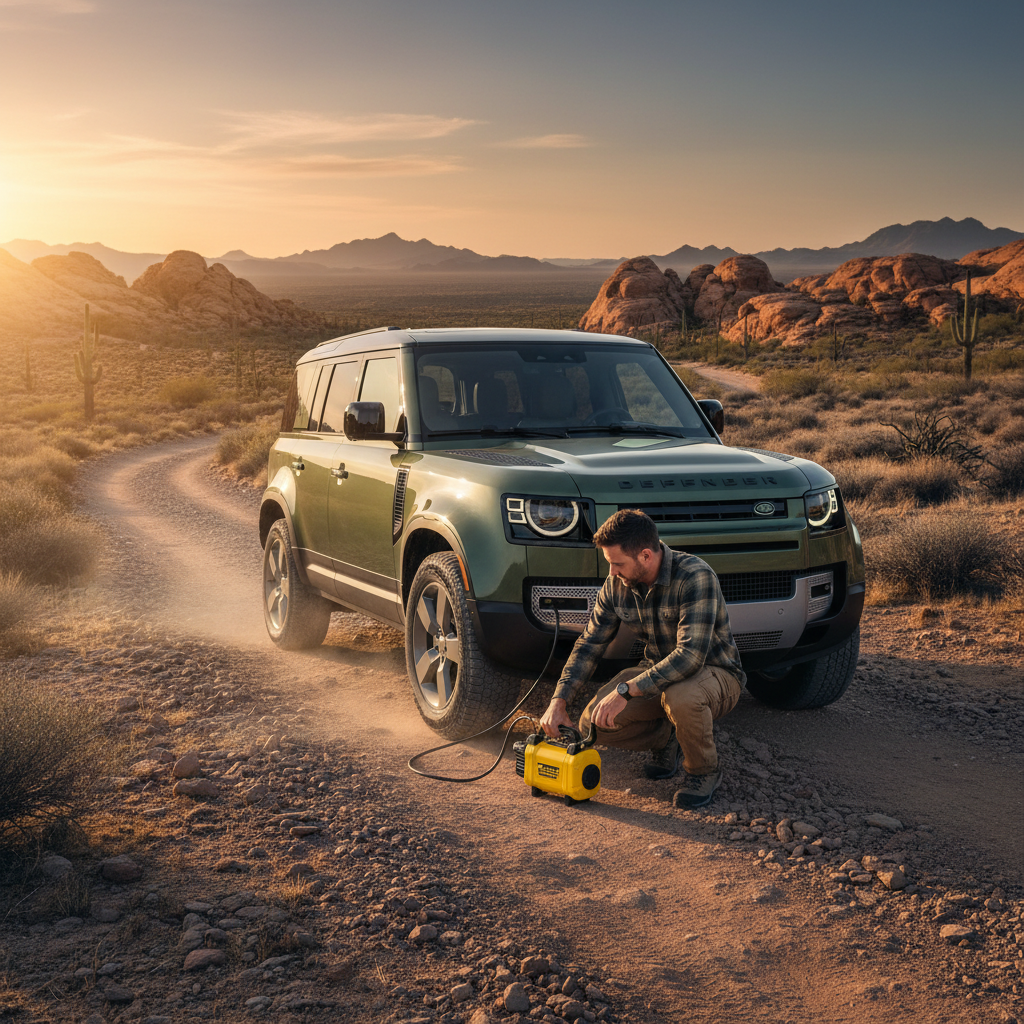
What makes an offroad air compressor “good” (beyond marketing)
Ignore the hype words and look at a few specs and design choices that tend to decide whether a unit feels “trail-ready” or “annoying.” Many compressors can inflate a single tire, fewer can do four big tires without drama.
- Power source: 12V clamp-to-battery, 12V plug-in, or onboard air. For offroad, clamp-to-battery usually wins for consistent power.
- Airflow (CFM): Higher airflow means faster fill times, especially on larger tires. Claims vary by pressure, so treat marketing numbers as directionally useful, not absolute.
- Duty cycle: How long it can run before needing cool-down. Short duty cycles are where cheap units fall apart on 33–37 inch tires.
- Max working pressure: Most offroad airing-up happens below 50 PSI, but higher capability can correlate with sturdier components.
- Hose length and reach: A common pain point. If it can’t reach all four tires without moving the vehicle, you’ll feel it every trip.
- Heat handling: Head units, hoses, and fittings get hot. Better designs manage heat with quality materials and thermal protection.
According to NHTSA, maintaining proper tire inflation supports safe handling and reduces tire-related risk, which is even more relevant when you change pressures off pavement.
Quick decision table: match the compressor to your offroad style
If you just want a fast “what should I buy” moment, use this table to narrow the field before you dive into specs.
| Offroad use case | What to prioritize | Usually a good fit |
|---|---|---|
| Occasional trails, stock or small lift | Portability, reasonable speed, easy storage | Compact 12V unit, preferably battery-clamp power |
| Frequent trips, 33–35 inch tires | Higher airflow, longer duty cycle, quality hose | Mid/high-output 12V compressor with solid clamps |
| Group rides, helping others air up | Heat management, sustained runtime, serviceable parts | High-output portable or hard-mounted compressor |
| Overlanding with a lot of gear | Noise, reliability, wiring simplicity | Hard-mounted system with clean wiring and couplers |
| Towing, heavy loads, frequent pressure adjustments | Consistency, accurate gauge, durability | Higher-quality compressor + separate digital gauge |
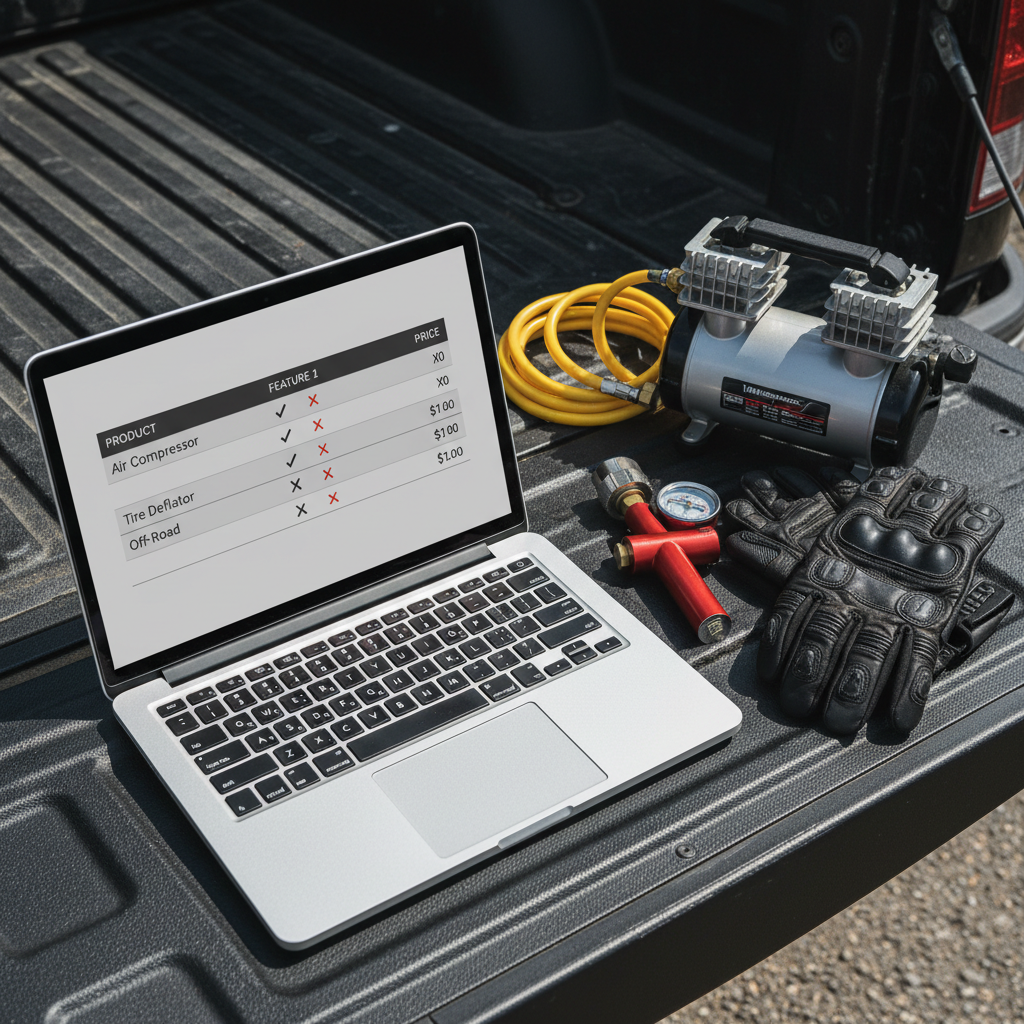
Buyer’s checklist: the specs that actually matter
This is the part most listings blur with vague claims. When you’re trying to find the best car air compressor for offroad travel, these checks usually prevent disappointment.
1) Power delivery: avoid weak cigarette-lighter units for big tires
Many 12V plug-in compressors work fine for passenger cars, but offroad airing-up often asks for sustained current. Battery clamps (or hardwired) tend to deliver steadier power and less “mystery shutoff.”
- Look for proper alligator clamps and thick power leads.
- If it’s plug-in only, confirm the fuse and current draw match your vehicle’s outlet rating.
2) Duty cycle: the hidden spec that ruins trips
Duty cycle tells you whether the unit can run long enough to finish the job. If you air up four larger tires, a short duty cycle becomes stop-and-wait, sometimes repeated, which is where overheating complaints come from.
- Prefer units with clear duty cycle statements at a stated pressure.
- Thermal cutoff is helpful, but it’s still downtime.
3) Real-world reach: hose length, chucks, and fittings
A quality hose and a no-leak air chuck sound boring, but they decide how frustrating the process feels. Many people end up buying extensions anyway.
- Hose length that reaches rear tires without moving the vehicle saves time.
- A lock-on chuck reduces fatigue, especially when you’re doing four tires in wind or dust.
- If you run quick-connects, ensure the kit includes standard fittings or is easy to adapt.
Common offroad compressor types (and who should use what)
There’s no single “right” form factor. The best choice depends on how often you air down, how big your tires are, and how much you want to install permanently.
Portable 12V clamp-to-battery
- Why people like them: strong performance without permanent install, easy to move between vehicles.
- Watch-outs: storage case size, cable length, and where you place it while it runs so it doesn’t ingest dust.
Hard-mounted onboard air (12V compressor + tank optional)
- Why it’s appealing: convenience, clean setup, easier to use regularly.
- Trade-offs: install complexity, wiring, mounting location heat/water exposure, and service access.
CO2 tank systems
- Big pro: very fast airing up.
- Reality check: you must refill the tank, and availability varies by area and trip length.
If you’re deciding purely on capability and minimal install, a higher-output portable battery-clamp unit is often the “least regret” purchase for many drivers.
How to air down and air up safely (simple trail routine)
The process is straightforward, but small mistakes can waste time or damage gear. If you’re new, go slow the first few times.
Before you air down
- Pick a target PSI based on terrain and your setup, and keep it consistent across tires.
- Use a separate tire gauge you trust, compressor gauges can be “close” but not always precise.
Airing up at the end of the trail
- Start the vehicle if needed for electrical stability, many setups do better with the engine running, but follow your vehicle manual and compressor instructions.
- Clip clamps securely, keep cables away from hot parts and moving fans.
- Inflate in a pattern so you don’t forget a tire, for example front-left, front-right, rear-left, rear-right.
- Check pressure at least twice, heat can skew readings a bit, so be consistent.
According to AAA, correct tire inflation supports safer driving and helps reduce tire wear. Offroad pressure changes make it even more important to return to road-appropriate PSI before highway speeds.
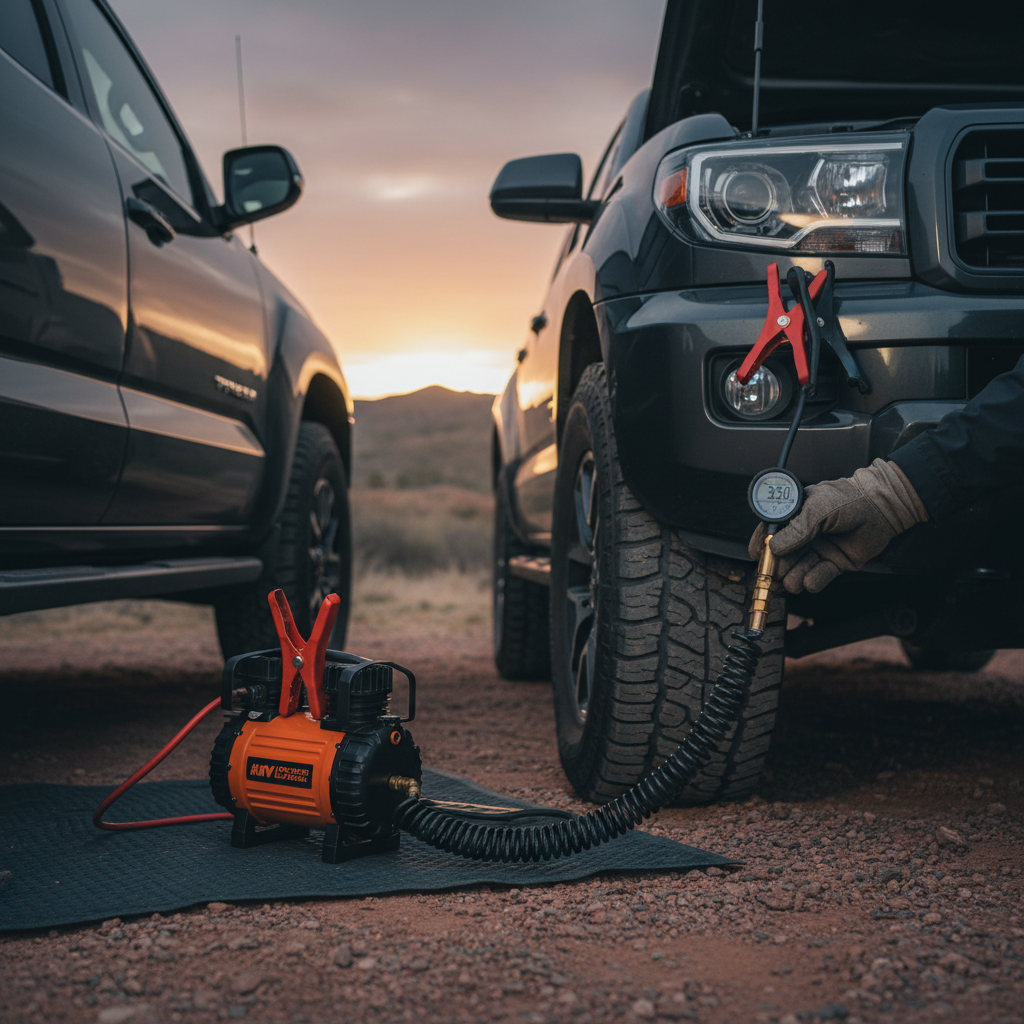
Mistakes that make a “good” compressor feel terrible
Most bad experiences come from mismatch, not from the concept of compressors. A few avoidable issues show up constantly in offroad forums and parking-lot air-up sessions.
- Buying for max PSI instead of airflow: You rarely need 150 PSI for tires, you need reasonable speed at 20–40 PSI.
- Ignoring heat: Coiling a hot hose immediately or placing the unit in sand can shorten life.
- Relying on the built-in gauge only: A separate gauge makes the outcome more consistent.
- Too-short cables: If you can’t place the compressor safely on flat ground, you’ll fight it every time.
- Overlooking spares: A spare fuse, extra valve cores, and a basic plug kit are small items that save trips.
If the compressor shuts off repeatedly, smells like hot plastic, or the power leads get uncomfortably warm, stop and let it cool. Persistent overheating could indicate a mismatch for your tire size or an electrical issue, and a technician may need to check your wiring and battery condition.
Choosing the best car air compressor for offroad: a practical recommendation path
Here’s a simple way to decide without obsessing over every listing detail.
- If you run stock to 32-inch tires: a compact but reputable 12V compressor can work, but battery-clamp power still tends to be smoother.
- If you run 33–35 inch tires: prioritize higher airflow and duty cycle, and buy the longer hose you wish came in the box.
- If you run 37s or air up often: consider high-output portable or onboard air, and treat wiring and mounting as part of the “product.”
- If you help a group: choose for sustained runtime and heat management, not just speed on one tire.
Most people land on a high-output portable clamp-to-battery unit because it balances performance, price, and flexibility. It’s also a sensible “first serious compressor” if you’re building out your kit gradually.
Key takeaways and what to do next
If your goal is one purchase you won’t second-guess, aim for a compressor with solid duty cycle, battery-clamp power, and enough hose to reach all four tires. That combination usually matters more than flashy extras.
Your next step is simple: confirm your tire size and typical air-down PSI, then pick a unit designed to run long enough to air up four tires in one session, and add a trusted gauge. If you’re unsure about wiring, battery draw, or a hard-mount install, it’s reasonable to ask a qualified installer or mechanic for guidance.
FAQ
What is the best car air compressor for offroad tires?
The best match is typically a 12V battery-clamp compressor with higher airflow and a clear duty cycle rating, especially if you run 33-inch tires or larger.
Is a cigarette-lighter air compressor good enough for airing up after trails?
Sometimes for smaller tires and light use, yes, but many offroad drivers outgrow them because they can be slow and may trip fuses or overheat during long runs.
How long should it take to air up four offroad tires?
It varies by tire size, starting PSI, and compressor output. If it feels like an endurance event every time, that’s often a sign you need more airflow or a longer duty cycle.
Do I need an air tank for offroading?
Not always. Tanks can help in some setups, but a strong compressor without a tank can still be very practical for tire inflation, which is the main offroad need for many people.
Should I trust the gauge on my compressor?
It can be a useful reference, but a separate digital or analog tire gauge often gives more consistent results, especially when you’re trying to match pressures side to side.
Can airing up damage my vehicle battery?
It can stress a weak battery or poor wiring. If you notice dimming lights or repeated compressor cutoff, consider testing the battery and electrical system, and consult a professional if you’re not sure.
What accessories are worth buying with an offroad compressor?
A good tire gauge, a repair plug kit, spare valve cores, and a hose extension are the add-ons that tend to pay off quickly in real trail situations.
If you’re trying to pick the best car air compressor for offroad use and want a quicker shortlist based on your tire size, budget range, and how often you air down, it can help to map your setup first, then choose a compressor that’s clearly built for sustained runtime rather than occasional top-offs.