
The best car luggage rack roof top is the one that matches your vehicle’s roof, your typical load, and how often you actually travel, not the one with the most hype. If you pick the wrong style, you’ll feel it fast: wind noise, shaky handling, scratched paint, or a rack that simply won’t fit.
Most shoppers also underestimate the “small stuff” that matters on road trips, like crossbar shape, clamp clearance, and whether you can still open a sunroof. This guide narrows the choices down to what usually makes a rack worth buying in 2026, with a practical checklist you can use before you hit “add to cart.”
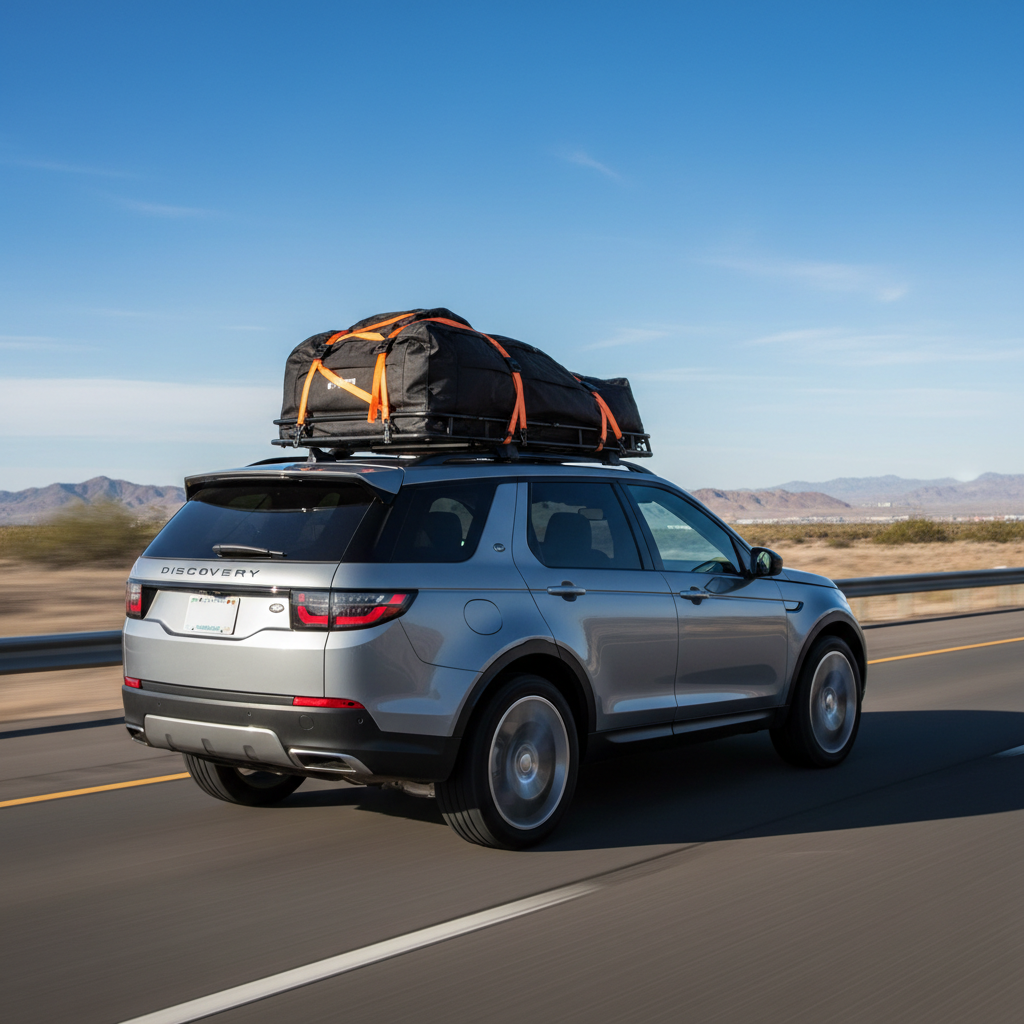
One more thing before we get into picks and setups: roof systems are a chain, rack base, crossbars, then the carrier (basket, box, bag). A “great” carrier on weak crossbars still performs like a weak system, so we’ll talk through the whole stack.
What counts as “best” in 2026 (and what usually disappoints)
When people search for the best car luggage rack roof top, they often mean one of two things: more cargo space without upgrading vehicles, or a cleaner way to carry messy gear. Those are valid goals, but the best solution depends on tradeoffs you’re willing to accept.
- Lowest hassle: roof box on aerodynamic crossbars, quick on and off, better weather protection.
- Most flexible: roof basket, easy to toss odd-shaped items, but usually louder and less aerodynamic.
- Lowest upfront cost: soft cargo bag, but it demands careful strapping and realistic expectations in heavy rain.
Disappointment tends to come from three places: buying universal-fit gear for a roof that isn’t friendly to universal clamps, overloading beyond dynamic roof limits, and ignoring noise and fuel economy until the first highway drive.
Roof rack types: baskets, boxes, bags, and platform systems
“Roof rack” gets used loosely online, so it helps to separate the parts. Your vehicle may already have side rails (raised or flush). Some vehicles have fixed points, a naked roof, or factory crossbars that can’t handle much weight.
Roof baskets
Baskets are open steel or aluminum trays, great for bulky items, coolers, duffels, muddy gear, and awkward loads. Expect more wind noise, and plan to add a cargo net and/or waterproof bag.
Roof boxes
Hard boxes cost more but feel “done right” for family travel: lockable, weather resistant, and usually quieter. They’re also easier on fuel economy than a basket with exposed cargo, though results vary by vehicle and box shape.
Soft roof bags
Soft bags can be a smart occasional solution if you pack light and strap carefully. The risk is water intrusion at zippers or seams, and the potential for paint rub if you don’t use a protective mat.
Platform or modular systems
Overland-style platforms and slats are sturdy and customizable, but they’re rarely the quiet choice. They make sense if you’ll mount accessories (awning, recovery boards, RotopaX mounts) more than you’ll chase MPG.
Fit and compatibility: the part that saves you returns
Before you shop carriers, confirm what your roof actually supports. According to NHTSA, vehicle loading affects handling and stability, and roof loads raise the center of gravity, so staying within manufacturer limits matters more than most people think.
Use this quick compatibility checklist:
- Roof style: raised rails, flush rails, fixed points, or naked roof.
- Crossbar requirement: some carriers need a minimum bar spread, specific bar widths, or T-slot channels.
- Sunroof/antenna clearance: common conflict on compact SUVs and wagons.
- Rear hatch clearance: longer boxes can hit the hatch on short-roof vehicles.
- Garage clearance: measure vehicle height + rack + loaded cargo, not just the empty rack.
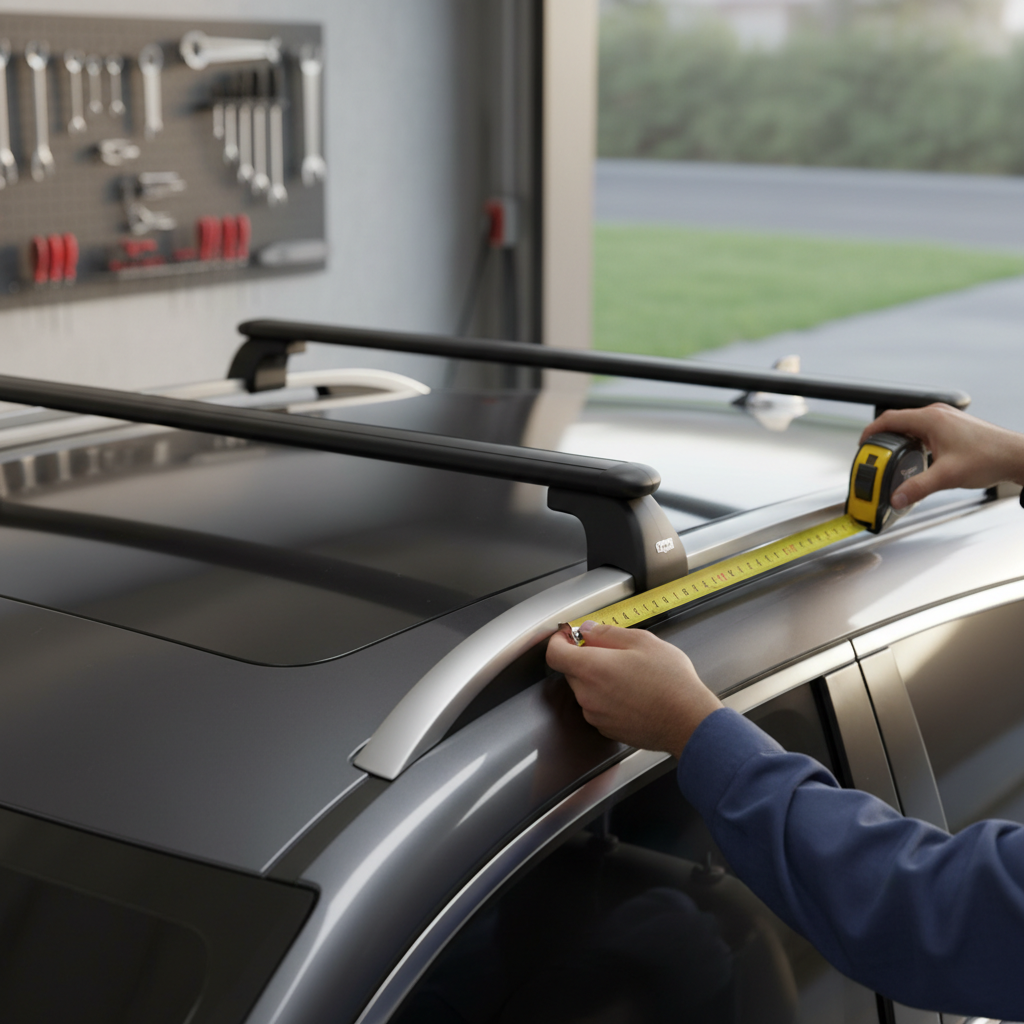
If you’re unsure about the roof style or factory limits, check your owner’s manual or the OEM fit guide. Many vehicles list a dynamic roof load limit (while driving). That number is often lower than people assume, and it includes everything on the roof: crossbars, basket/box, plus cargo.
How to choose the best car luggage rack roof top for your trip style
Here’s a practical way to choose without spiraling into endless comparisons. Pick the scenario that sounds most like you, then match the rack type and features.
Family road trips and frequent highway driving
- Best match: aerodynamic crossbars + hard roof box
- Why: quieter cabin, better weather protection, faster access
- Look for: dual-side opening, secure locking, glossy or textured finish that resists scuffs
Camping, beach days, and mixed “dirty gear”
- Best match: basket + waterproof cargo bag or duffels
- Why: toss-and-go loading, easier to fit odd shapes
- Look for: fairing (wind deflector), robust tie-down points, rust-resistant coating
Occasional overflow on a budget
- Best match: soft cargo bag on quality crossbars
- Why: stores small when not used
- Look for: stitched seam sealing, flap-covered zippers, included straps that are long enough for your roof
Where many people get stuck is trying to “future proof” with a rack that does everything. Realistically, if you do highway trips monthly, a box often feels worth it. If you do two trips a year, a bag might be fine, as long as you treat strapping as a serious step, not an afterthought.
Quick comparison table (what you gain, what you give up)
This table is intentionally blunt. It’s not about brand names, it’s about what ownership feels like.
| Option | Best for | Noise/MPG impact | Weather protection | Typical gotcha |
|---|---|---|---|---|
| Hard roof box | Frequent travel, families | Lower (varies) | High | Hatch clearance, storage space at home |
| Roof basket | Bulky/dirty gear | Higher | Low unless bagged | Rust, wind noise, extra tie-down work |
| Soft cargo bag | Occasional overflow | Medium to higher | Medium | Paint rub, water at seams/zippers |
| Modular platform | Accessories, overland builds | Higher | Depends on cargo | Weight adds up fast |
Install and load it safely: a realistic step-by-step
Even the best car luggage rack roof top can feel sketchy if you install it slightly off. Take an extra 15 minutes here and you’ll usually save yourself hours of noise chasing and re-tightening later.
- Step 1: Confirm your numbers. Add up crossbars + carrier + cargo, then compare with the vehicle’s dynamic roof load limit.
- Step 2: Set crossbar spread correctly. Wider spread often improves stability, but stay within the carrier’s allowed range.
- Step 3: Center the load. Keep the heaviest items low and centered between bars.
- Step 4: Strap like you mean it. Use cam straps (often better than bungees), tuck strap tails, and avoid twisting straps which can whistle in wind.
- Step 5: Do a “shake test.” The carrier should move the vehicle slightly when you push it, not the other way around.
- Step 6: Recheck after 15–30 minutes of driving. Straps settle, especially with soft bags and duffels.
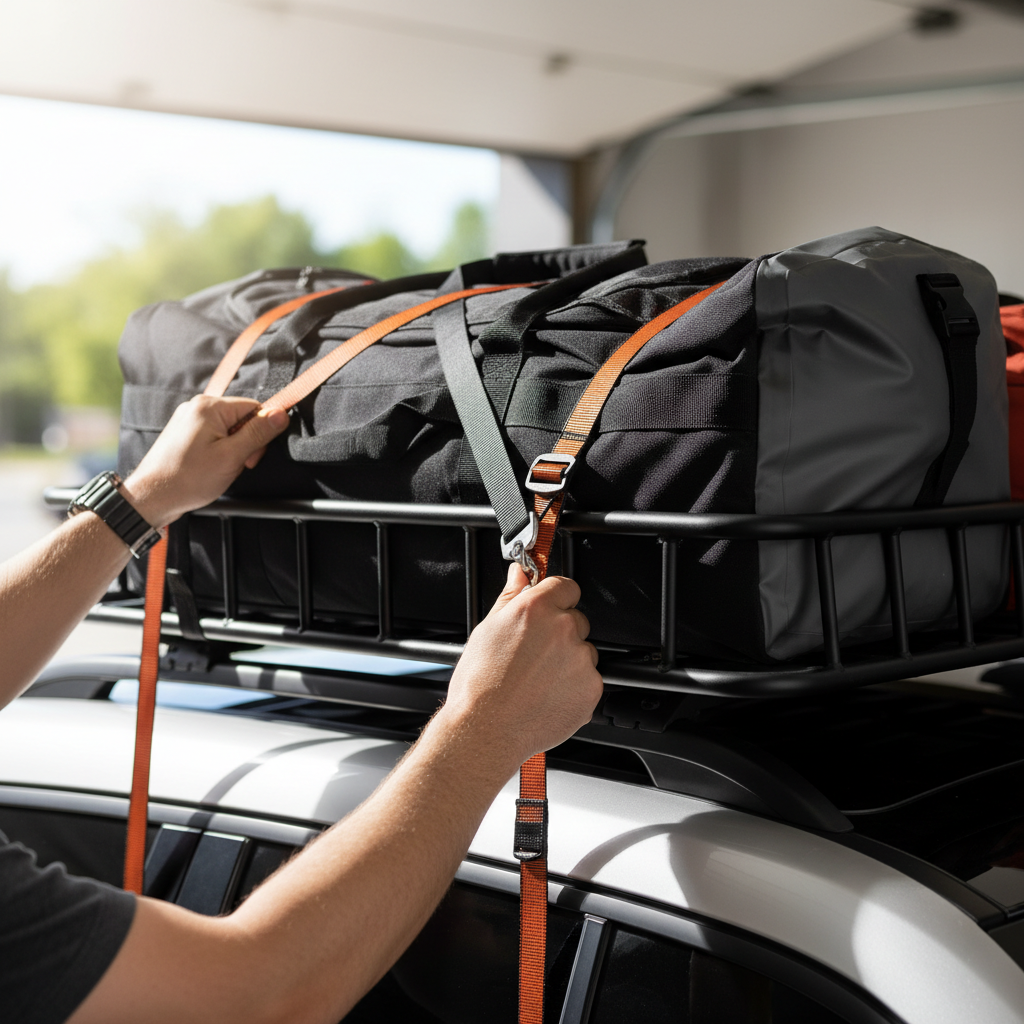
Key point: if the rack hardware uses torque specs, follow them. Over-tightening can deform rails or clamps, under-tightening can shift under braking. If you don’t have the right tools, a local shop that installs racks can be a reasonable one-time expense.
Mistakes to avoid (they’re common, and they’re fixable)
- Ignoring dynamic vs. static ratings: rooftop tents and parked “static” loads are a different conversation than highway driving.
- Buying “universal” clamps for a flush-rail roof: many flush rails need vehicle-specific feet kits.
- Assuming waterproof means stormproof: soft bags often resist rain, but long downpours at highway speed can find weak points.
- Letting straps flap: it’s not just noise, flapping can fray straps and loosen tension over time.
- Forgetting height changes: drive-thrus, parking garages, and low tree branches become real problems.
According to AAA, unsecured loads create road hazards, so it’s worth treating tie-downs and locking as safety equipment, not accessories. If anything about the mount feels questionable, stop and adjust before you commit to high speeds.
Conclusion: a simple way to buy with confidence
If you want the least drama, pair quality crossbars with a hard box and call it a day. If your gear is messy or oddly shaped, a basket plus smart tie-downs can be the more practical choice. If you only need extra space once in a while, a soft bag can work, but it rewards careful installation.
Your next step: measure your roof setup today, then decide whether you’re optimizing for quiet highway miles or flexible cargo. That small decision usually points you to the right best car luggage rack roof top setup without overthinking it.