
The best car ice scraper for windshield is the one that clears ice quickly without forcing you to grind plastic across glass, and it usually comes down to blade design, handle stiffness, and how your local winter actually behaves.
If you drive in the U.S., you already know the annoying part isn’t “ice exists,” it’s the mix: thin overnight frost one day, chunky refreeze the next, then a wet snow crust that turns into glued-on slush. A scraper that feels fine in light frost can feel useless when you hit hard glaze ice.
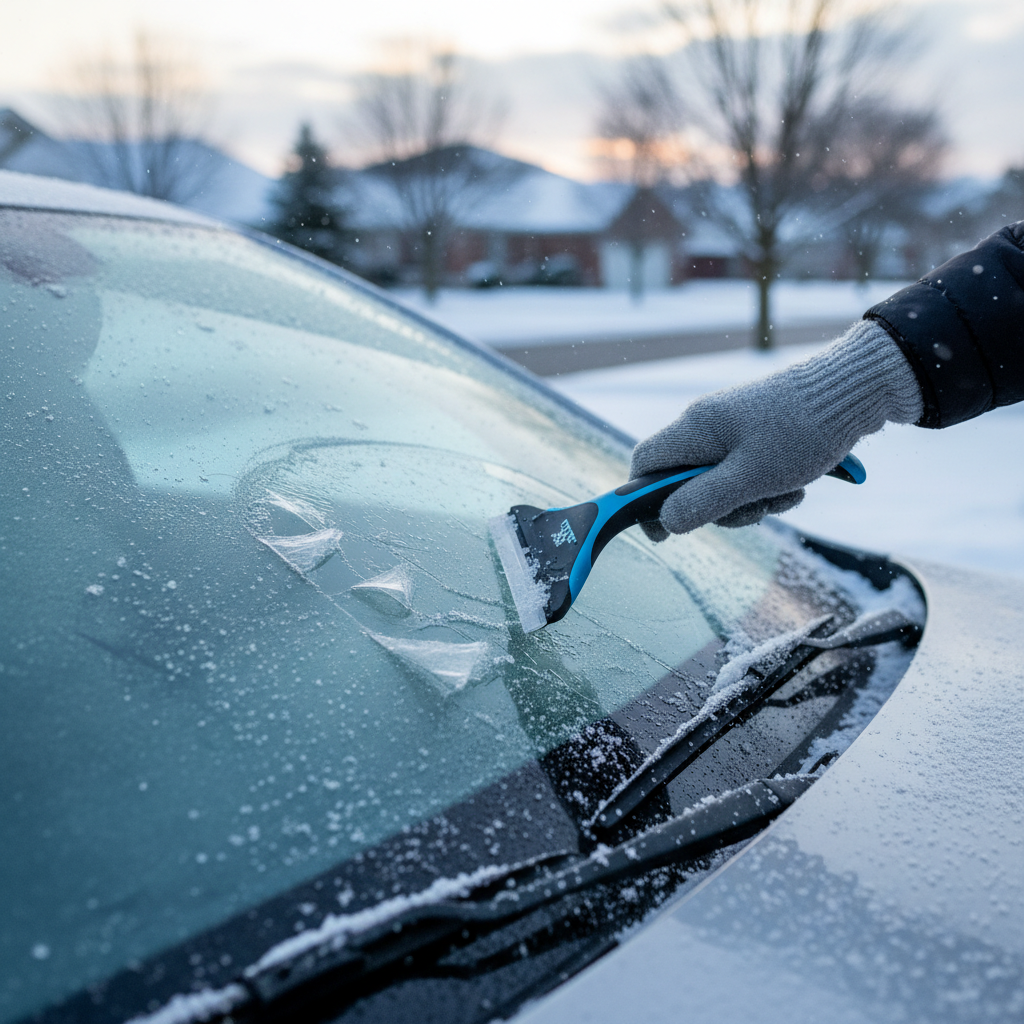
This guide narrows the choices for 2026, with a practical comparison table, a quick self-check to match scraper style to your conditions, and a short buying checklist so you don’t overpay for features you won’t use.
What actually makes a windshield ice scraper “best” in real winter
Most shoppers fixate on length or price, but performance tends to come from a few details that show up only after a couple bad mornings.
- Blade edge geometry: A clean, straight edge works on frost, while a slightly beveled or multi-ridge edge often bites better into thicker ice. Overly sharp or brittle edges can chip.
- Stiffness vs. flex: Too flexible means you waste effort; too stiff with a short handle can make you “dig” and chatter across glass. A balanced, moderately stiff head is easier on wrists.
- Handle length and leverage: Longer handles help reach and reduce bending, but if the shaft is flimsy you lose the benefit. For SUVs, leverage matters more than blade width.
- Grip and gloves compatibility: Smooth plastic grips can twist in wet gloves. Look for textured rubber or foam that stays controllable when damp.
- Ice type in your area: Lake-effect snow, freezing rain, and dry powder behave differently. One tool rarely “wins” in every scenario.
According to AAA, removing snow and ice from your vehicle before driving helps prevent visibility issues and reduces the risk of snow/ice dislodging into other vehicles. Even if you’re only going a few miles, the habit matters.
Best Windshield Ice Scrapers 2026: quick comparison table
You’ll see the same “styles” reappear across brands. Instead of pretending there’s one universal winner, this table maps common types to what they do well, and what tends to annoy people.
| Type | Best for | Strengths | Trade-offs | Who should buy |
|---|---|---|---|---|
| Compact rigid scraper | Light frost, small cars | Cheap, simple, easy to store | Short reach, slower on thick ice | City drivers with mild winters |
| Long-handle scraper | Daily winter commuting | Leverage, reach, less bending | Can be bulky, shafts vary in rigidity | Sedan/SUV owners in snow belts |
| Scraper + brush combo | Snow + ice mix | One tool for clearing snow and glass | Brush quality varies, heads can wobble | Anyone who parks outside |
| Brass blade scraper | Stubborn ice layers | Strong bite, durable edge | Needs careful technique to avoid misuse | Freezing-rain regions, experienced users |
| Telescoping/snow broom style | Tall vehicles, heavy snow | Reach, push/pull snow quickly | More expensive, storage space | SUV/truck drivers, frequent storms |
Fast self-check: which scraper style fits your situation?
If you want the best car ice scraper for windshield use, start by being honest about your mornings, not your aspirations.
- You mostly see “white haze” frost: a compact rigid scraper works, but prioritize a comfortable grip so you actually use it.
- You see clear, hard ice after freezing rain: look for a stiffer head and a longer handle; a brass blade can help if you’re careful and patient.
- You park outside with regular snow: choose a scraper + brush combo, because brushing snow first makes scraping faster and reduces grit dragging.
- You drive an SUV/truck: pick long-handle or telescoping, and check that the shaft doesn’t twist when you apply pressure.
- You have shoulder/wrist issues: leverage matters, but so does technique; a longer tool plus pre-warming (defroster or spray) can reduce strain.
If two bullets match you, prioritize the “worst day” condition. That’s when cheap tools feel expensive.
How to use an ice scraper without scratching your windshield
Scratches are usually less about the scraper “material” and more about contamination and pressure. The big mistake is scraping gritty slush like it’s clean ice.
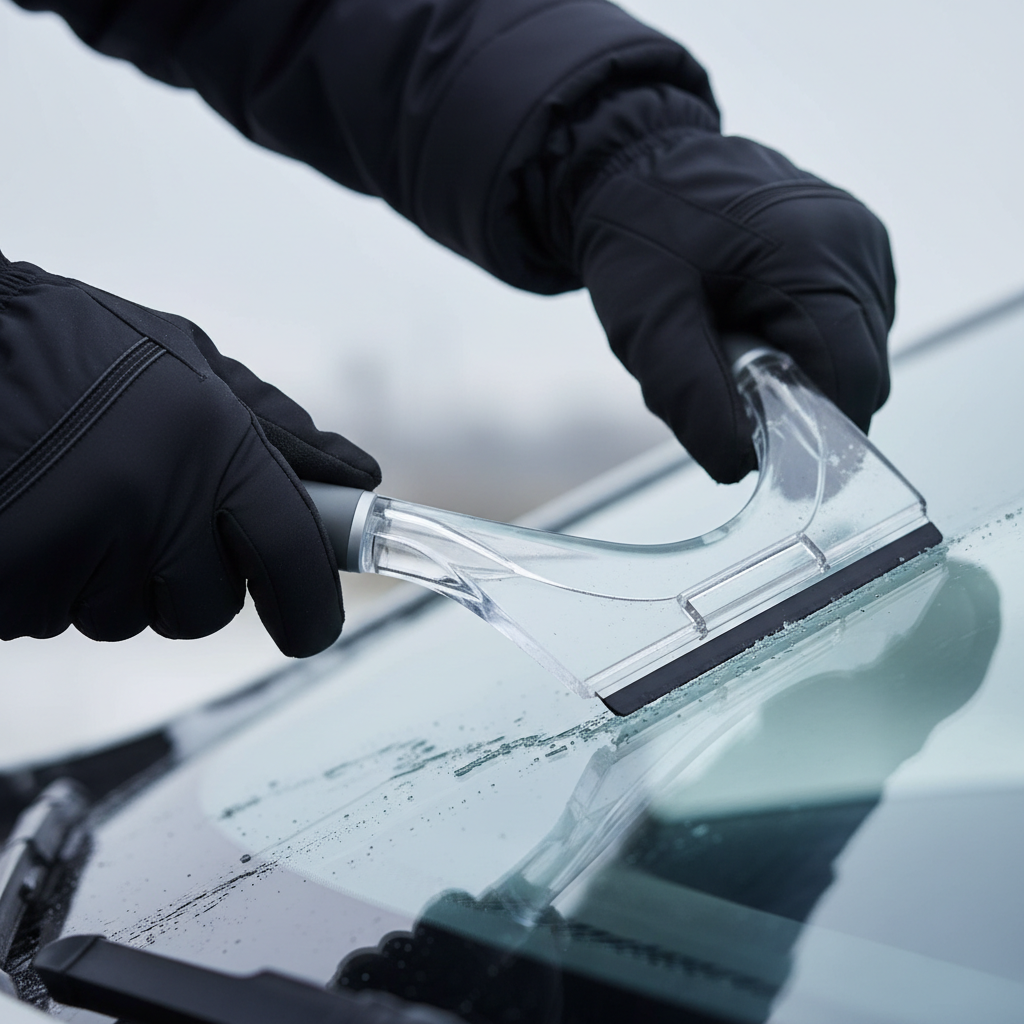
Use this technique most drivers find reliable:
- Brush first if there’s loose snow or granular ice. Clearing top layers prevents grit from acting like sandpaper.
- Warm the glass a bit with the defroster for a few minutes. You’re not trying to melt everything, you just want the bond to weaken.
- Work at a shallow angle, pushing in smooth strokes. Steep angles encourage chatter and “digging.”
- Don’t “stab” corners into thick ice. If you need a corner, use it gently to start an edge, then switch back to broad strokes.
- Wipe the blade edge if it picks up grit. A quick glove wipe can prevent repeating damage.
According to NHTSA, clear visibility is a core part of safe driving; if you can’t fully clear the glass quickly, it’s usually better to wait and defrost longer than to drive with partially obstructed view.
Buying checklist: what to look for (and what’s mostly marketing)
There are plenty of “2026 upgraded” claims, but the best car ice scraper for windshield clearing still comes down to basics you can feel in your hand.
Worth paying for
- Rigid shaft that doesn’t twist under load, especially on longer handles
- Replaceable blade if you scrape daily in harsh climates
- Ergonomic grip that stays secure with wet gloves
- Good brush density if buying a combo tool, sparse bristles just smear snow
Often overrated
- Extra-wide blades that flex too much, width without stiffness can slow you down
- Gimmicky “ice chippers” that encourage aggressive prying, which can be risky around wiper areas
- Heated scrapers that sound great but depend on power source and warm-up time, usefulness varies by scenario
If you keep only one tool, a sturdy scraper + brush combo is the most forgiving choice for many U.S. regions. If you keep two, pair a long-handle tool with a compact backup for tight spots around mirrors and wipers.
Practical winter setup: small habits that make scraping faster
A scraper choice helps, but your routine often matters more. A few low-effort changes can turn a 12-minute fight into a 3-minute cleanup.
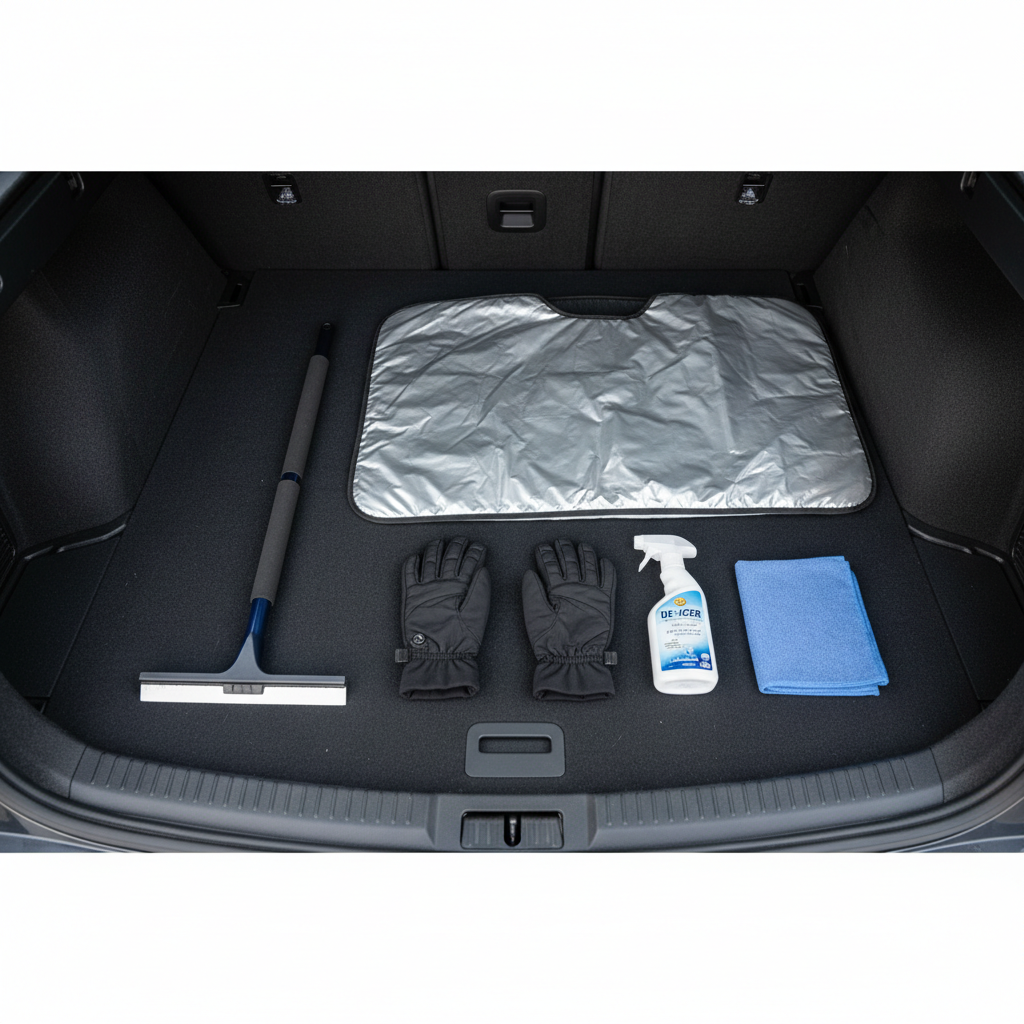
- Carry two pairs of gloves: one waterproof pair for scraping, one dry pair for driving. Wet gloves make people rush and slip.
- Use a windshield cover on nights you expect frost. In many cases it’s the “cheapest time saver” you can buy.
- Park with wipers lifted only when appropriate: in some vehicles it helps, in others it can stress the springs or freeze in awkward positions. Check your manual if unsure.
- Keep washer fluid winter-rated: it won’t replace scraping, but it helps clear salt film and light glaze once the glass warms.
- Avoid hot water on cold glass. Temperature shock can be risky, and it often refreezes into a worse layer.
For de-icer sprays, follow label directions and keep ventilation in mind. If you have concerns about materials or fumes, it may be worth asking a mechanic or product manufacturer for guidance.
Common mistakes that make even good scrapers feel “bad”
- Scraping over dirty slush: brush it off first, even if you’re annoyed. Dirt is what makes marks.
- Ignoring the wiper rest area: frozen wipers tear rubber and can streak all season. Clear that zone carefully.
- Buying for length only: a long tool with a flimsy shaft feels powerful until it twists, then you overcompensate and get tired.
- Storing the scraper wet: ice buildup on the blade edge makes the next morning harder. A quick shake-off helps.
One more thing people forget: if your windshield has existing chips or cracks, aggressive scraping can worsen them. That’s a situation where gentler defrosting and professional advice may be smarter.
Conclusion: a simple way to pick your 2026 winner
If you want a decision that holds up in January, match your tool to your worst typical morning: frost-only drivers can stay compact, most outdoor parkers do best with a scraper/brush combo, and freezing-rain regions benefit from a stiffer scraper with real leverage.
Your next step is straightforward: choose one primary tool that fits your vehicle height and local ice type, then add a small backup scraper for tight areas near wipers and mirrors. That pairing covers most situations without turning your trunk into a winter aisle.
FAQ
- What is the best car ice scraper for windshield frost versus thick ice?
For light frost, a compact rigid scraper is usually enough. For thick, clear ice, leverage and stiffness matter more, so a long-handle scraper tends to perform better. - Do brass ice scrapers scratch windshields?
They can if used aggressively or if grit gets trapped at the edge, but many drivers use them successfully with a shallow angle and patient strokes. If you’re unsure, start with plastic and add brass only for stubborn days. - Is a scraper-brush combo better than separate tools?
Often yes for people who park outside, because brushing snow first speeds up scraping. Separate tools can be nicer if you want a stronger scraper head and a larger brush. - How do I scrape ice off without damaging wipers?
Clear the glass around the wiper resting area carefully, and avoid yanking frozen blades. Let the defroster warm that zone, then lift and free the rubber gently. - Are telescoping ice scrapers worth it for SUVs?
If you regularly struggle to reach the center of the windshield or roof, they’re usually worth considering. Just make sure the extended shaft locks firmly, wobble wastes energy. - Should I use de-icer spray before scraping?
In many cases it helps soften the bond so you use less force, especially on thin glaze. Follow the product label, and don’t treat it as a substitute for fully clearing visibility. - How often should I replace an ice scraper?
If the edge becomes jagged, warped, or cracked, performance drops and technique gets harsher. People who scrape daily in severe winters often replace sooner than occasional users.
If you’re trying to choose the best car ice scraper for windshield clearing for your commute, share your vehicle type and what your “worst morning” looks like, and I can help narrow it to the scraper style and feature set that actually makes sense.