
The best car cleaning kit complete is the one that matches how you actually clean: quick driveway washes, apartment parking-lot wipe-downs, or full weekend details with wheels, glass, and interior. If you buy a kit that fights your routine, it ends up half-used in the garage, even if the brand looks legit.
It matters because a “complete” kit can mean wildly different things. Some sets are basically soap and a sponge, others include safe microfiber, wheel tools, interior cleaners, and a real drying solution. The wrong kit can also create problems, swirl marks from bad towels, streaky glass, or a shiny interior dressing that feels greasy and attracts dust.
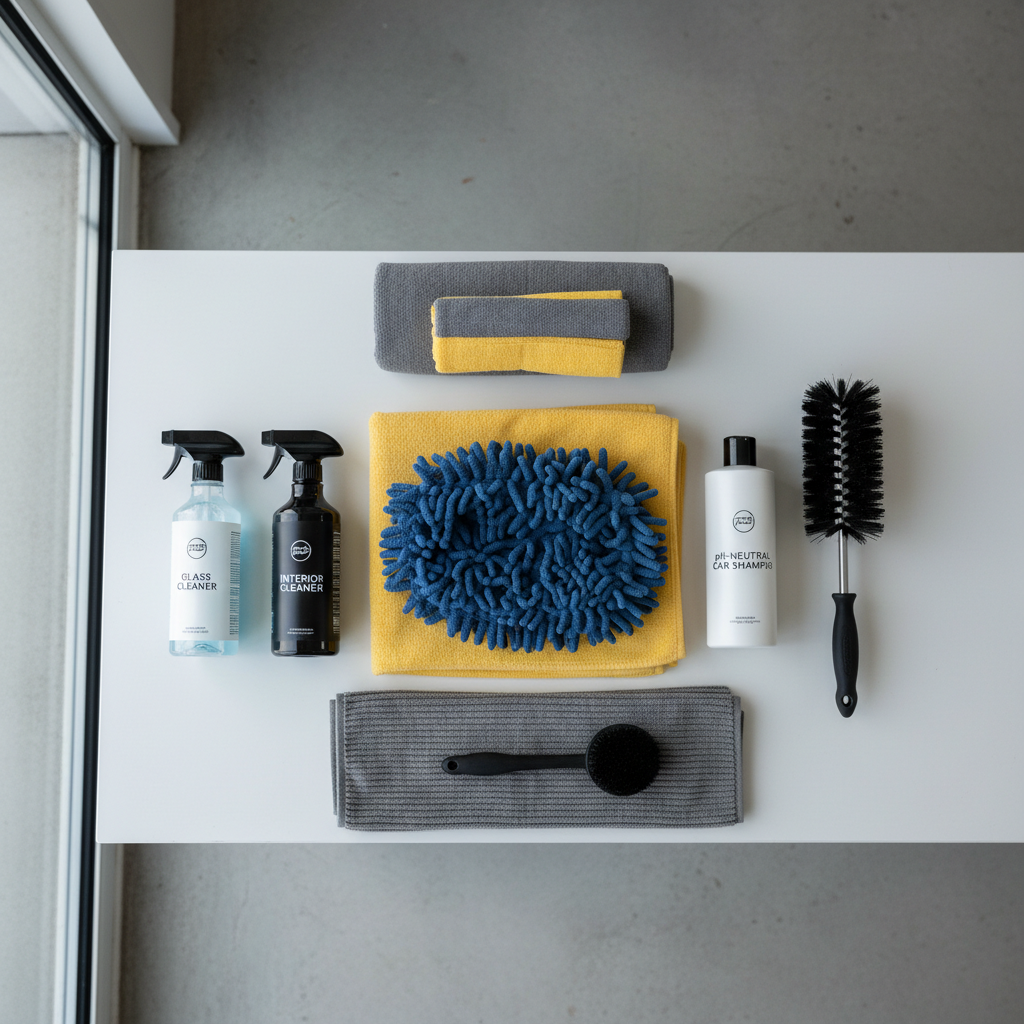
Below is a practical way to judge kits without getting lost in marketing. You’ll see what “complete” should include, a fast self-check, and how to pick a kit that fits your budget and your car’s paint and interior materials.
What “Complete” Really Means (and Where Kits Cut Corners)
Most people assume “complete” means “every product you’ll ever need.” In car care, it usually means enough tools and chemicals to wash, dry, and lightly protect both exterior and interior. The shortcuts tend to show up in the accessories.
- Towels: Kits often include thin microfiber that smears or scratches. A complete set should include at least one plush drying towel and several soft microfiber towels for paint and interior.
- Wash media: A real wash mitt (microfiber or lambswool-style) usually beats a sponge for reducing swirl risk.
- Wheel + tire tools: Wheels need their own brushes and towels. Using your paint towel on wheels is how you grind brake dust into clear coat.
- Protection step: Many kits add a quick detailer or spray sealant, but some are more “shine” than protection. Look for clear labeling on intended surface and durability expectations.
- Interior choices: “Interior shine” dressings can be too glossy, slippery on touch points, and dust-attracting. A good kit offers a cleaner plus a more matte protectant option.
According to AAA... basic vehicle upkeep, including regular washing, helps protect paint and exterior surfaces from contamination and environmental buildup. That’s not about perfection, it’s about preventing avoidable wear.
Quick Self-Check: Which Kit Type Fits You?
Before you shop, answer these quickly. Your answers narrow the best car cleaning kit complete for your situation without overspending.
1) Where do you usually clean?
- Driveway with hose: A wash-and-dry focused kit makes sense, bucket optional but helpful.
- Apartment/limited water: You’ll lean toward rinseless or waterless-compatible products (and more towels).
- Self-serve bay: You need fast tools: quality drying towel, glass towel, interior wipes, compact wheel brush.
2) What annoys you most after cleaning?
- Water spots: Prioritize a better drying towel and a spray sealant to help water release.
- Streaky glass: You need a dedicated glass cleaner plus a waffle-weave glass towel.
- Swirl marks: Upgrade wash mitt and microfiber quality, and separate wheel/paint tools.
- Dusty interior: Choose a kit with a gentle interior cleaner and a non-greasy protectant.
3) What surfaces do you have?
- Leather or leatherette: Look for a leather-safe cleaner/conditioner, avoid high-gloss dressing on seats.
- Matte trim or matte paint accents: Avoid “high shine” products unless they’re explicitly matte-safe.
Comparison Table: What to Look for in a Complete Kit
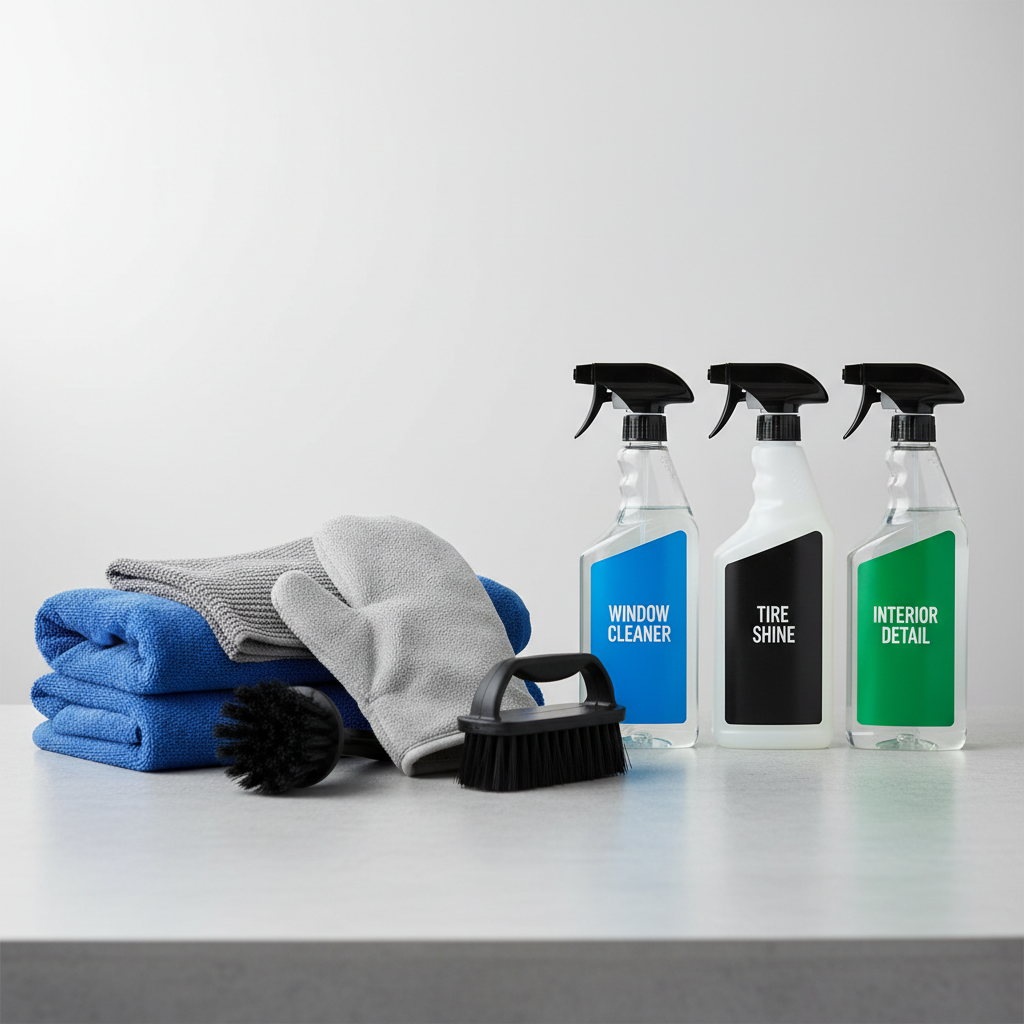
Instead of chasing brand hype, use this checklist table to compare kits quickly. “Nice to have” is where you can flex budget.
| Kit Component | Why It Matters | Minimum Acceptable | Nice to Have |
|---|---|---|---|
| Car wash soap | Lubrication reduces marring | pH-balanced, clear dilution info | Foam-friendly, good scent is a bonus |
| Wash mitt | Touch wash is where swirls happen | Soft microfiber mitt | Two mitts so you can separate lower panels |
| Drying towel | Prevents spots and towel marks | Large, plush microfiber | Twist-loop drying towel for faster drying |
| Wheel cleaner or wheel soap | Brake dust is abrasive | Wheel-safe formula, clear warnings | Dedicated tire cleaner for old dressing |
| Wheel brush + tire brush | Tools reach barrels and sidewalls | One wheel brush | Separate tire scrub brush, lug brush |
| Glass cleaner + glass towel | Streak-free visibility | Ammonia-free (safer for many tints) | Two towels: clean + final buff |
| Interior cleaner | Reduces grime without shine | All-surface interior cleaner | Separate fabric/upholstery spot cleaner |
| Protection spray | Maintains gloss and makes washing easier | Spray wax or sealant | Ceramic spray with clear cure instructions |
How to Choose the Best Complete Kit by Cleaning Scenario
Here’s the part most guides skip: the best car cleaning kit complete changes based on how you’ll use it. Pick the scenario that sounds like your weekends.
Scenario A: “I just want a reliable weekly wash”
- Focus on soap, mitt, drying towel, and a spray sealant.
- Make sure the kit includes enough microfibers so you can keep paint towels separate from interior.
- If wheels get heavy brake dust, prioritize wheel tools even over extra wax.
Scenario B: “I’m in an apartment, water is limited”
- Look for a kit that supports rinseless washing or pairs well with it (lots of towels, good lubrication).
- Glass and interior become bigger wins than foam cannons.
- A compact kit bag is not fluff, it’s what keeps you organized in a parking spot.
Scenario C: “I care about paint and want fewer swirls”
- Quality accessories matter more than extra bottles. Upgrade towels, mitt, and consider a grit guard even if it’s sold separately.
- Pick a kit with clear instructions on safe wiping, and avoid kits that rely on one “all-purpose” towel for everything.
- If your paint already has noticeable swirls, a kit won’t remove them without polishing tools.
Scenario D: “Family car, stains and sticky stuff everywhere”
- Prioritize interior cleaner, upholstery spot cleaner, soft brushes, and odor control.
- Skip ultra-gloss interior dressings, they often look good for a day, then feel grimy.
Step-by-Step: Using a Complete Kit Without Wasting Product
Even a strong kit can disappoint if the order is off. This flow keeps things efficient and reduces the chance you grind dirt into paint.
- Start with wheels and tires: They’re dirtiest. Use dedicated tools only.
- Pre-rinse if possible: Knock off loose grit before any touching.
- Wash top to bottom: Roof, glass, upper panels, then lower panels last.
- Rinse often: Keep mitt clean. If you use a single bucket, rinse thoroughly and don’t chase perfection on lower panels.
- Dry right away: Use a large drying towel, blot or glide with light pressure. This is where water spots sneak in.
- Glass last: Clean inside glass too, it’s usually where haze lives.
- Protection step: Apply spray wax/sealant per label, then buff with a clean towel.
Key point: If the kit doesn’t include enough towels for this process, it’s not truly complete for real-world use, no matter how many liquids come in the box.
Common Mistakes That Make “Complete” Kits Feel Useless
When people say a kit “didn’t work,” it’s often one of these issues, not the brand.
- Using one towel for everything: Wheels, paint, and interior should not share towels.
- Overusing product: More spray usually equals more streaking, especially on glass and interior plastics.
- Washing in direct hot sun: Soap and spray sealants can flash-dry, leaving spots or haze. Shade helps.
- Ignoring labels on tinted windows: Some cleaners can damage tint over time. If unsure, choose tint-safe options and test a small area.
- Expecting scratch removal: Most kits clean and protect; they don’t correct paint defects without polishing compounds and machines.
According to U.S. Environmental Protection Agency (EPA)... many cleaning products should be used with basic safety steps like ventilation and following label directions, which matters when you’re working inside a closed garage or detailing an interior.
When You Might Need More Than a Kit (or Professional Help)
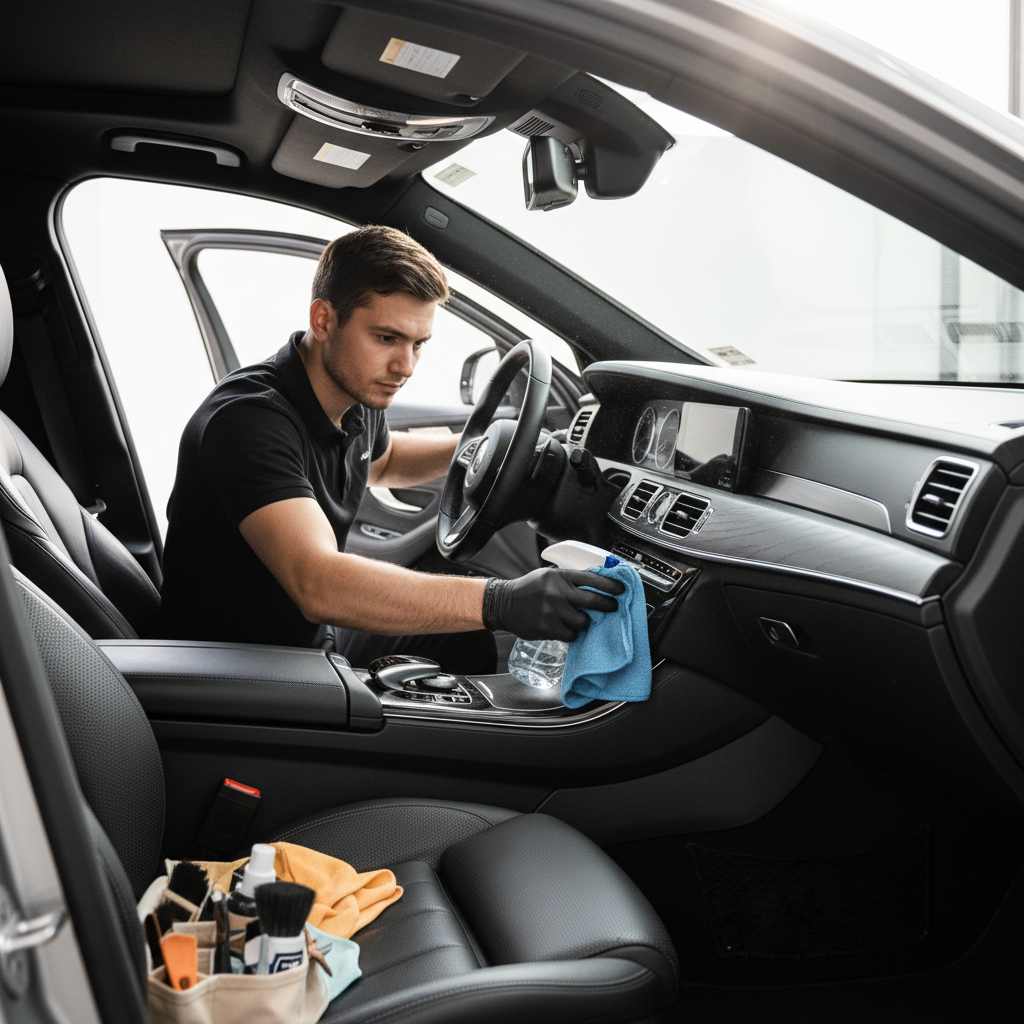
A complete kit is great for maintenance, but some situations need extra steps or a pro detailer.
- Paint feels rough after washing: Likely bonded contaminants. A clay bar process might help, but it can also mar paint if done wrong.
- Deep scratches, heavy swirls, oxidation: Paint correction typically requires polishing compounds and machine polishing skills.
- Mold, smoke odor, bio spills: Health-related cleaning can get complicated fast. It’s usually smarter to consult a professional detailer who has proper PPE and extraction tools.
- Airbag areas, electronics, sensitive screens: If you’re unsure, use minimal product and consider professional advice to avoid damage.
If you’re dealing with strong odors or suspected mold, it may be safer to consult a qualified professional rather than experimenting with chemicals in a closed space.
Conclusion: A “Complete” Kit Should Reduce Friction, Not Add It
The best car cleaning kit complete is less about having 20 bottles and more about having the right few products plus accessories you trust on paint, glass, wheels, and interior. If you remember one rule, make it this: accessories decide the outcome, especially towels and wash tools.
If you’re shopping today, pick one scenario from this guide, check the table, and confirm the kit includes enough microfiber to separate dirty jobs from delicate surfaces. That simple step prevents most regret purchases.