
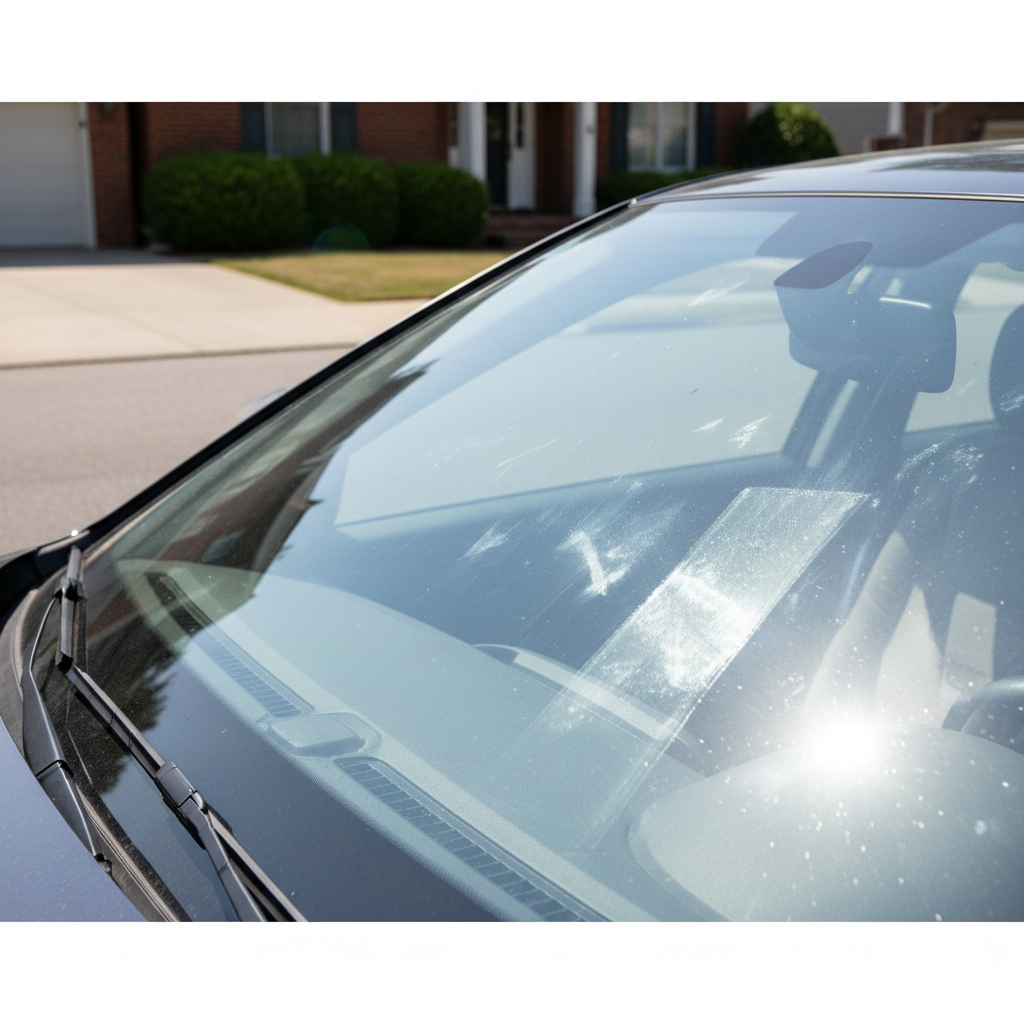
Best car window cleaner streak free is less about chasing a “magic” spray and more about matching the right formula, towel, and technique to the glass you actually have, inside and out. If you keep getting haze at night, smears in sunlight, or that greasy film that seems to come back fast, you’re not alone.
Most streak problems come from a few repeat offenders, too much product, the wrong towel, or residue from interior plastics and vaping, plus hard water or old wax overspray on the outside. The good news, you can usually fix it with small changes, not a full detailing overhaul.
This guide breaks down why streaks happen, how to pick a streak-free cleaner without overpaying, and a practical step-by-step process you can repeat. You’ll also get a quick comparison table, a simple self-check list, and a few “stop doing this” tips that save a lot of frustration.
What “streak-free” really means (and why it’s hard)
On car glass, “streak-free” usually means you don’t see smears, rainbowing, or foggy patches when light hits the windshield at an angle, especially at night. That last part matters, because streetlights and oncoming headlights exaggerate any residue you leave behind.
Here’s the reality, a cleaner can be great and still streak if you’re fighting oils, nicotine film, silicone dressings, or a towel that’s already loaded with product. And if you’re cleaning hot glass in the sun, the chemistry barely gets a chance to lift grime before it flashes dry.
Why your windows streak: the usual causes in real life
Most people blame the spray, but streaking is usually a process problem. These are the patterns that show up again and again.
- Too much product: extra cleaner has to go somewhere, and it often dries as a film.
- Wrong towel or dirty towel: fabric softener residue, lint, or a microfiber that’s “done” will smear oils around.
- Interior off-gassing: dashboards and trim release vapors that settle on glass, creating a greasy layer over time.
- Plastic overspray: interior protectants and tire shine can mist onto the inside of glass.
- Hard water spots: minerals don’t “clean off” with typical glass cleaner, they need mild demineralizing action.
- Old wax/sealant residue: on exterior glass, leftover protection products can cause patchy wiping.
- Heat and sun: faster evaporation means more residue and more wiping, which becomes more streaking.
According to the National Highway Traffic Safety Administration (NHTSA), clear visibility is a key part of safe driving, so if streaks or haze bother you at night, treat it as a safety and comfort issue, not just a cosmetic one.
How to choose the best streak-free car window cleaner
If your goal is the best car window cleaner streak free, think in scenarios. A product that shines on exterior road film may disappoint on interior oils, and vice versa.
1) Match the formula to the job
- Alcohol-based glass cleaners: usually cut light grime fast and evaporate clean, but can struggle with heavy interior film unless you use proper agitation.
- Ammonia-free cleaners: generally safer around tint film and some interior materials; many automotive glass products sit here.
- Foaming glass cleaners: cling longer, helpful for vertical glass and heavier grime, but overdosing foam is a common streak trigger.
- Rinseless wash dilution (for exterior): some rinseless products at glass-safe dilution can reduce streaking because they leave minimal residue and add lubrication.
2) Consider tint, screens, and modern coatings
If you have window tint, it’s usually wise to stick with ammonia-free options and gentle towels. For cars with hydrophobic coatings or rain-repellent products, avoid harsh abrasives that can create uneven behavior.
3) Don’t ignore the towel
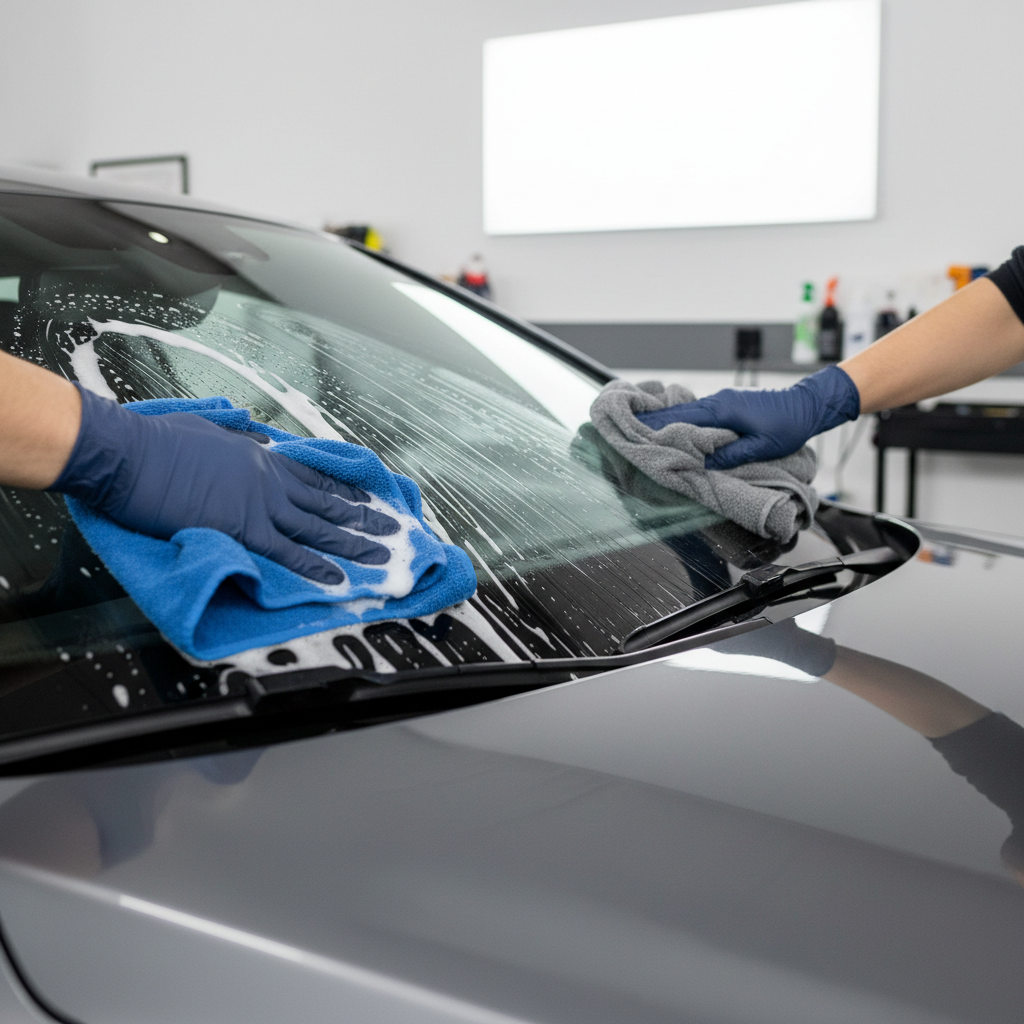
In practice, the towel is half the “streak-free” result. Look for a tight-weave microfiber or a dedicated glass towel, and keep it separate from wax and interior towels. If you wash microfiber at home, skipping fabric softener often makes a bigger difference than changing cleaners.
Quick comparison table: what to use for your situation
Use this as a quick picker. You can absolutely get great results with more than one approach, but this narrows the guesswork.
| Situation | What causes the streaks | What to use | What to avoid |
|---|---|---|---|
| Inside windshield looks foggy at night | Oily film, interior off-gassing | Ammonia-free automotive glass cleaner + two-towel method | One towel for everything, too much spray |
| Exterior smears after rain | Road film, wiper residue | Quality glass cleaner or rinseless wash at proper dilution | Cleaning in direct sun on hot glass |
| White dots / rough spots | Hard water minerals | Glass-safe water spot remover (test first) then normal cleaner | Aggressive abrasives without a spot test |
| Streaks that “move around” | Dirty towel, residue build-up | Fresh glass towel + lighter product application | Reusing a saturated microfiber |
| Tinted side windows | Film sensitivity | Tint-safe, ammonia-free cleaner; gentle towel | Ammonia cleaners, harsh scrubbing |
Self-check: figure out why your glass keeps hazing
Before you buy another bottle, do a quick diagnosis. It takes two minutes and usually points to the real fix.
- Wipe test: clean a small area, then buff with a separate dry towel. If the haze improves only after buffing, you’re leaving residue behind.
- Smell/feel test (interior): if the glass feels slightly grabby or oily, interior film is the issue, not dust.
- Sun angle test: check from the driver seat with the windshield facing bright light. If streaks appear only at certain angles, it’s usually micro-residue, not “dirty glass.”
- Water test (exterior): rinse the windshield. If water sheets unevenly with patchy behavior, you may have old product buildup or mineral spotting.
- Towel audit: if your towel has ever touched spray wax, tire shine, or interior dressing, assume it can smear glass.
Step-by-step: a streak-free method that works in most garages
This is the repeatable process that tends to deliver the “wow, it’s actually clear” result. It’s simple, but the order matters.
Prep (30 seconds)
- Park in shade or wait until glass feels cool to the touch.
- Use two clean towels: one for cleaning, one for final buff.
- Crack windows slightly so you can reach edges and reduce overspray on trim.
Clean the interior first
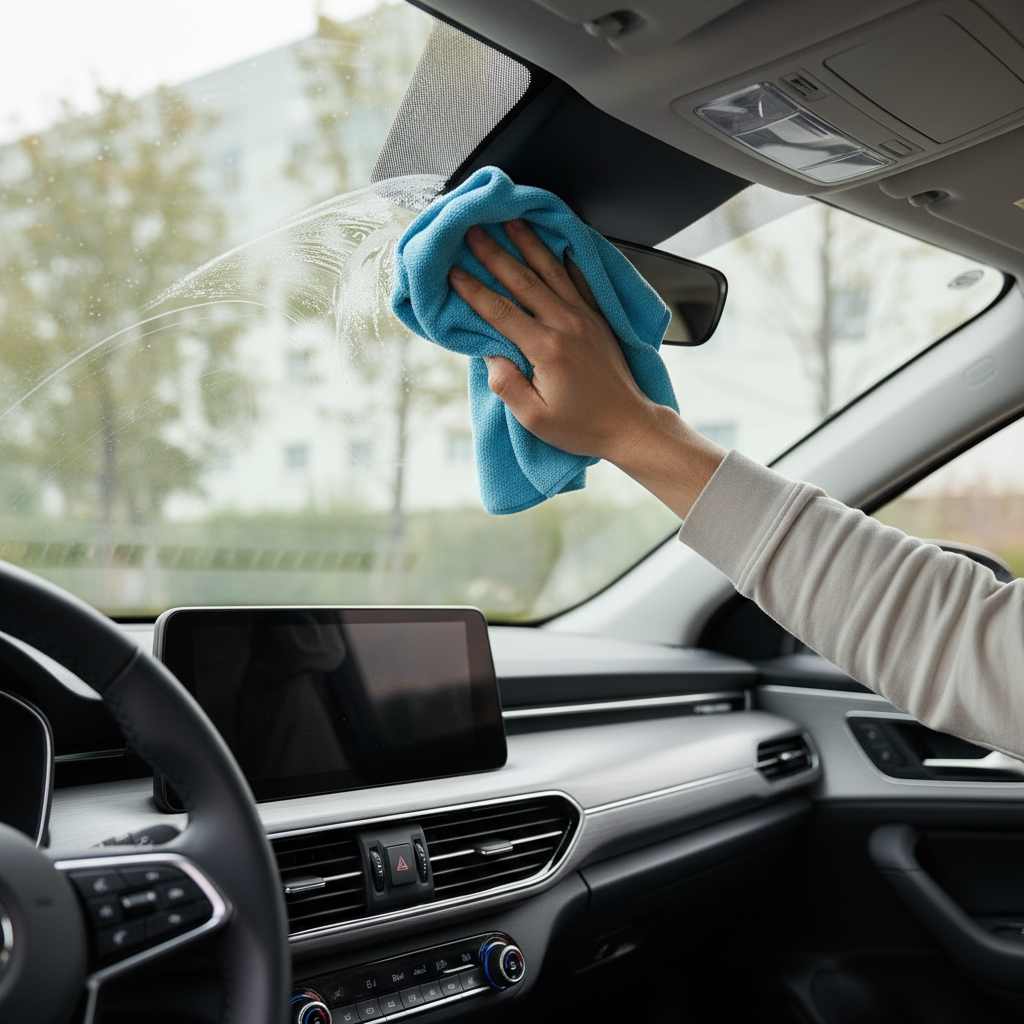
- Lightly spray the towel, not the glass, so cleaner doesn’t drift onto your dashboard.
- Wipe in one direction (left-right), then switch direction (up-down) for a second pass.
- Immediately buff with the dry towel until the surface feels slick and looks uniform.
Then do exterior glass
- Spray the glass lightly, wipe with your “cleaning towel.”
- Flip the towel to a dry side, then do a final buff with the second towel.
- Finish by cleaning the edges where grime collects near seals and wiper rest areas.
Key point: use less product than you think
Most streak-free results come from minimal liquid + thorough buffing. If the towel feels soaked, you’re making the job harder.
Practical tips that reduce streaks fast
These aren’t glamorous, but they fix the recurring issues that make people swear glass “never gets clean.”
- Separate towel sets: dedicate glass towels only to glass.
- Change your last wipe: your final pass should be with a drier towel surface than your first pass.
- Work smaller sections: half a windshield at a time prevents cleaner from drying mid-wipe.
- De-grease occasionally: if interior film is heavy, a second round with a fresh towel often beats more spraying.
- Replace wipers if they chatter: worn blades can redeposit grime and create fresh streaks after your clean.
Key takeaways
- The “best” streak-free cleaner still needs the right towel and a dry buff.
- Interior haze often comes from oils and plastic vapors, not dust.
- Using less product usually improves clarity.
Mistakes that create streaks (even with a good cleaner)
These are the classic “why does it look worse now” moments.
- Cleaning in full sun: fast evaporation leaves product behind before you can level it.
- Spraying too close: heavy droplets dry unevenly and spot the glass.
- Using paper towels on tinted glass: some paper products can lint and drag, plus the adhesive-like feel makes you over-wipe.
- Reusing a towel that touched dressing: silicone residue loves to smear across glass.
- Ignoring the inside: many people only clean the outside, then wonder why night glare stays.
When you may need a stronger approach or professional help
If you’ve tried a solid streak-free routine and the windshield still looks cloudy, you might be dealing with contamination that basic glass cleaner won’t touch. In those cases, a detailer may use a dedicated decontamination step, glass polishing, or a water-spot treatment, usually after a careful spot test.
For hard water etching, damaged tint, or deep wiper scratches, the “fix” may involve glass restoration or replacement. If visibility is noticeably compromised at night or in rain, consider consulting a professional detailer or glass shop, and drive cautiously until it’s resolved.
Conclusion: a clearer windshield is mostly a system
Getting the best car window cleaner streak free result comes down to a repeatable system, pick a tint-safe, low-residue cleaner for your situation, use dedicated glass towels, and finish with a true dry buff. If you do one thing today, switch to the two-towel method and cut your product usage in half. That combo fixes a surprising amount of “bad cleaner” complaints.
If your streaks keep returning, focus on what’s depositing film in the first place, interior dressings, smoking or vaping residue, and old wipers tend to be the quiet culprits.
FAQ
What is the best way to clean inside car windows without streaks?
Use an ammonia-free automotive glass cleaner, spray the towel lightly, wipe, then buff with a second dry towel. Most interior streaks come from oily film, so the final buff matters more than extra spray.
Why do my windows look clean until sunlight hits them?
That usually means a thin residue layer remains. Sunlight at an angle highlights micro-smears, often from too much product or a towel that’s slightly contaminated.
Are ammonia-based glass cleaners safe for tinted windows?
Many people avoid ammonia on tint because it can be harsh on some films and adhesives. If you’re unsure what tint you have, choosing an ammonia-free, tint-safe cleaner is the safer bet.
Can I use isopropyl alcohol to get streak-free glass?
Diluted isopropyl alcohol can help cut oily residue, but it can also dry quickly and leave uneven wipe marks if overused. Try a small spot first, and avoid soaking edges near tint or seals.
What towel works best for streak-free car glass?
A dedicated glass microfiber with a tight weave usually works well because it grabs residue without linting. The bigger win is keeping it away from wax, tire shine, and interior dressing.
How do I remove stubborn haze from the windshield interior?
Do two cleaning passes with fresh towel sides, then buff dry. If haze returns quickly, reduce interior dressing use and clean the dashboard area, since vapors and overspray can redeposit on the glass.
Why do my wipers cause streaks right after I clean the windshield?
Wiper blades can carry grime or have hardened edges that smear water and road film. Cleaning the blades and replacing worn wipers often improves clarity as much as changing glass cleaner.
If you’re trying to stop the cycle of cleaning, streaking, and re-cleaning, it may help to treat glass care like a small kit, one dedicated cleaner, two proper towels, and a quick routine you can repeat without thinking, it’s the easiest way to keep that “just detailed” visibility between washes.