
The best car sun shade for side windows depends less on brand hype and more on how you use your car, who rides in back, and how picky you are about visibility and fit.
If you’ve ever touched a seatbelt buckle that felt like a branding iron, or watched a kid squint through harsh afternoon glare, you already get why side shades matter. Windshield shades help, but side glass is where passengers feel it most, and where UV can fade upholstery over time.
This guide breaks down what actually works in real cars, what to avoid, and how to choose a side window shade that fits your vehicle and your routine. I’ll also include a quick comparison table and a simple checklist, so you can decide in minutes instead of doom-scrolling listings.
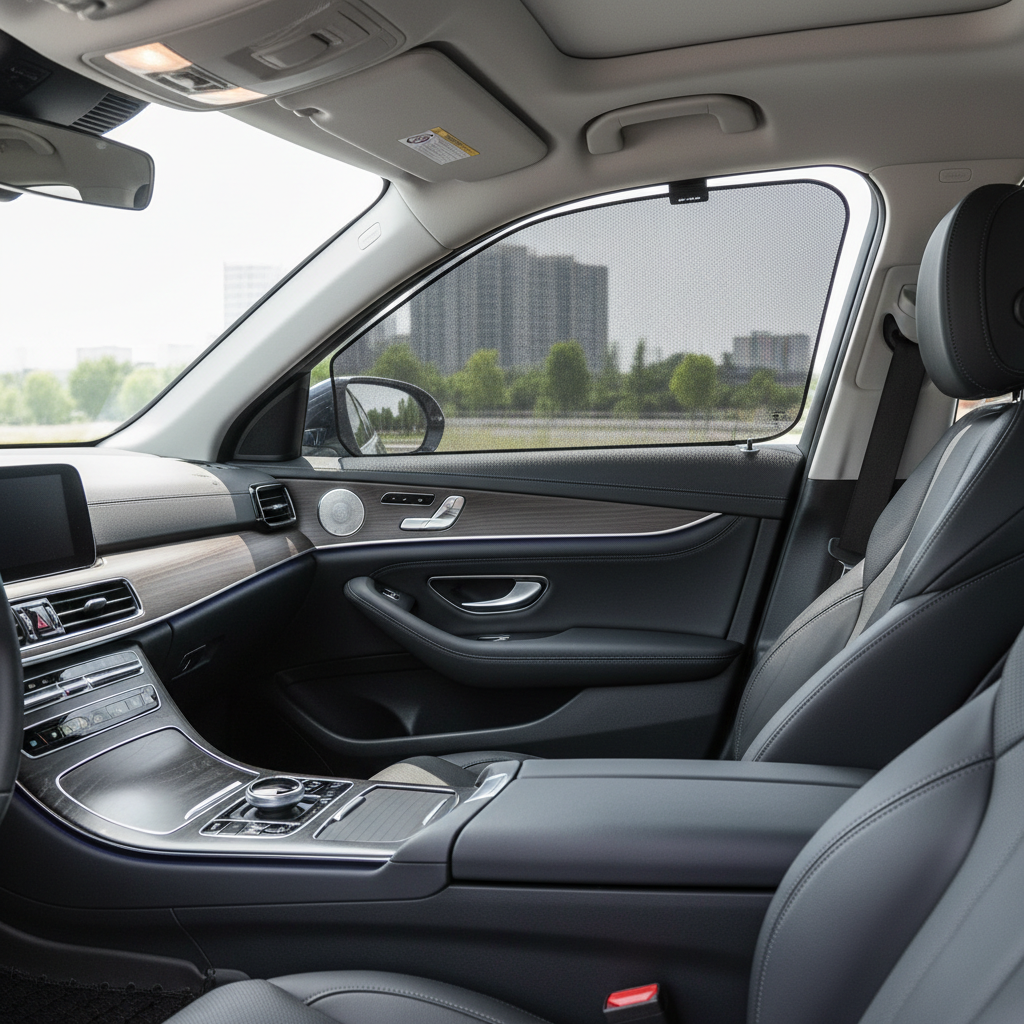
What makes a side window sun shade “the best” (in plain English)
Most product pages talk about “premium materials” and “maximum protection,” but the best-performing shades usually nail a few practical details.
- Coverage: It should cover the glass area where sun hits passengers, not leave a bright strip at the top or rear edge.
- Stable attachment: If it slides down every time you close the door, you’ll stop using it.
- Visibility and legality: Some shades are fine for rear windows but risky for front side windows because they reduce visibility.
- Heat + UV management: Dark mesh cuts glare; reflective or multi-layer fabric can cut heat more, but may be bulkier.
- Daily usability: If it takes two hands and a wrestling match, it’s not “best,” it’s “used twice.”
According to the U.S. National Highway Traffic Safety Administration (NHTSA), anything that reduces your ability to see clearly can increase crash risk. That’s the lens to use here: comfort matters, but visibility wins.
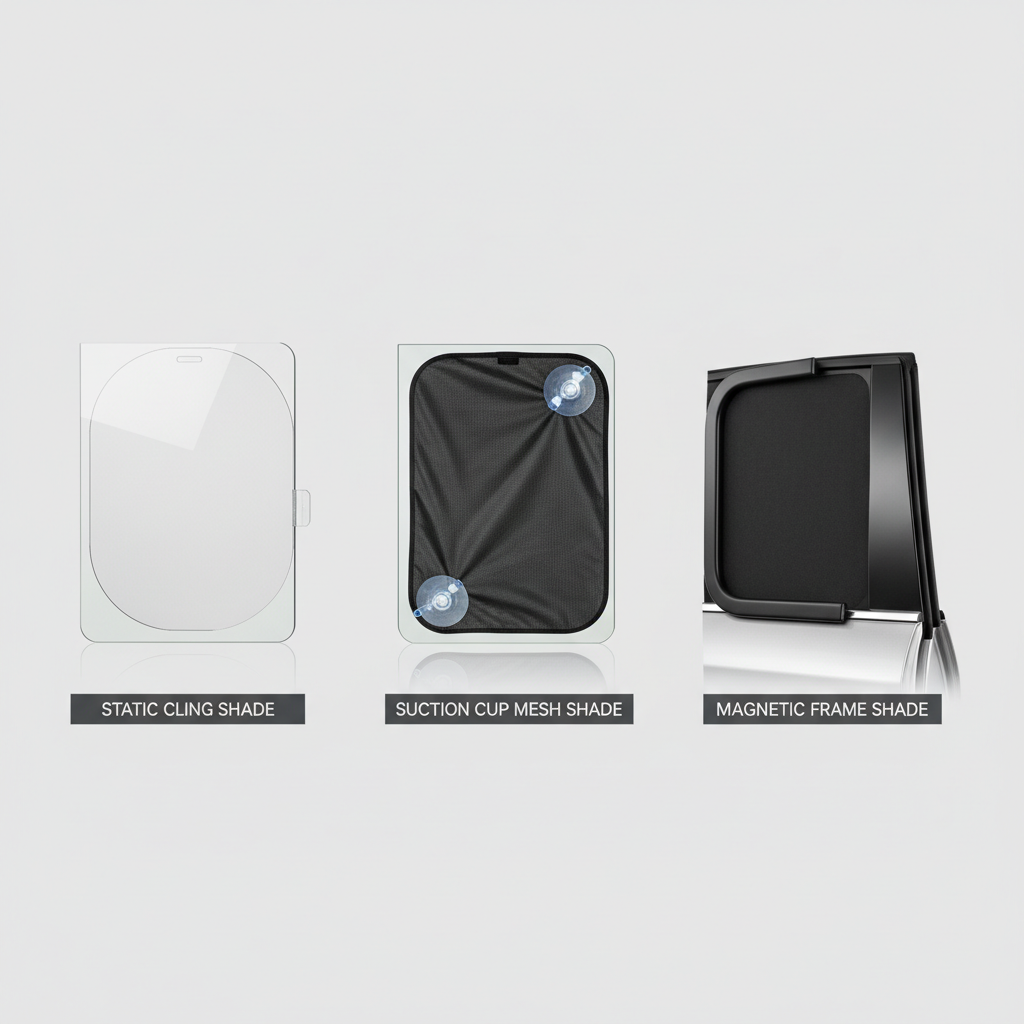
Quick comparison: common types of side window shades
Here’s the trade-off table I wish more listings showed upfront. It won’t pick a product for you, but it will narrow the field fast.
| Type | Best for | Upsides | Watch-outs |
|---|---|---|---|
| Static-cling shade | Quick on/off, rentals, ride-share | Fast install, no suction marks, packs flat | Needs clean glass; edges may peel in heat |
| Suction-cup mesh | Budget picks, occasional use | Cheap, widely available, decent glare reduction | Suction fails on textured glass; cups can pop off |
| Magnetic shade | Cars with metal window frames | Very stable, easy daily use, cleaner look | Not all doors accept magnets; fit matters a lot |
| Roller shade (pull-down) | Long trips, frequent sun exposure | Adjustable height, tidy when not used | Adhesive mounts can fail; can rattle |
| Sock-style full window cover | Parking, camping, privacy | Big coverage, privacy, can allow cracked window | Not for driving; can flap; sizing varies |
Why side window shades fail in real life (and how to avoid it)
A lot of “best car sun shade for side windows” shopping frustration comes from the same predictable issues.
- Wrong shape: Universal rectangles rarely match modern window curves, so you get light leaks and curling edges.
- Dirty or treated glass: Static cling and suction both hate residue, interior protectants, and textured glass areas.
- Heat fatigue: Cheaper adhesives and suction cups often degrade in hot climates, especially in parked cars.
- Expecting windshield-level heat reduction: Side shades help a lot with glare and localized heat, but they won’t “fix” a greenhouse cabin alone.
One more thing people don’t love to hear: some cars already have darker rear glass from the factory. In those cases, your “best” pick may be a lighter mesh that preserves outward view, not the darkest shade you can find.
Fast self-check: which shade type fits your situation?
If you want a quick decision path, use this. No perfection, just fewer returns.
You’ll probably like static cling shades if…
- You want something cheap, flat, and portable
- You move shades between cars
- You don’t want suction cup marks
You’ll probably like magnetic shades if…
- You hate re-installing things every drive
- You want a clean, integrated look
- You have kids and need consistent coverage on long drives
You’ll probably like roller shades if…
- Sun angle changes a lot during your commute
- You want to adjust coverage without removing anything
You’ll probably like sock-style covers if…
- You need shade while parked, camping, or waiting in the car
- Privacy matters as much as sun blocking
And if your main goal is cutting cabin temperature while parked, pair side window protection with a good windshield reflector and smart parking choices. That combo usually beats any single product.
How to choose the best car sun shade for side windows (step-by-step)
Here’s a practical process that works whether you buy online or in-store.
1) Decide where you’ll use it: front vs rear
Rear side windows are the most common use, and you can usually prioritize coverage and comfort. Front side windows are trickier because visibility matters more, and laws differ by state.
- Rear passengers: prioritize coverage, stability, and glare reduction.
- Driver/passenger front: prioritize visibility, quick removability, and minimal obstruction.
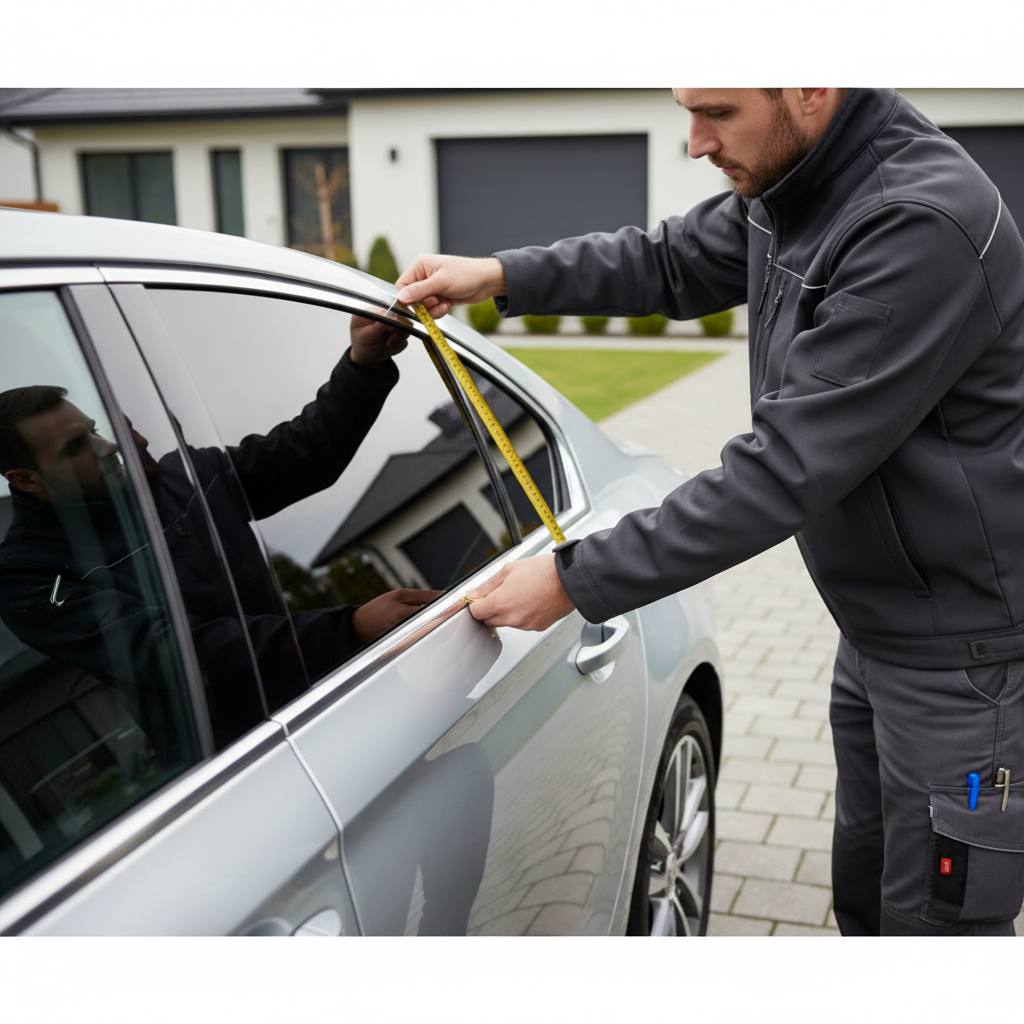
2) Measure or at least compare window shape
If you can, measure width and height of the glass area. If you can’t, compare your window shape to listing photos. Curved top edges and small quarter windows are where “universal” shades usually disappoint.
3) Pick attachment based on your tolerance for fuss
- Low-fuss daily use: magnetic or integrated-fit shades.
- Occasional use: static cling or suction mesh.
- Parking only: sock-style covers.
4) Choose material with your priority in mind
- Glare control: darker mesh helps, but too dark can feel cave-like.
- Heat reduction: thicker fabric and reflective layers can help more, but may reduce outward view.
- Easy storage: thin mesh and cling shades fold flatter.
According to the U.S. Environmental Protection Agency (EPA), UV exposure can affect skin health over time. Window shades can reduce direct exposure, but if you have medical concerns, it’s reasonable to ask a healthcare professional about practical UV protection during driving.
Installation tips that keep shades from falling off
Most “bad shade” reviews are really “bad setup” reviews. A few minutes here saves you a lot of annoyance.
- Clean the glass first: use glass cleaner, then a dry microfiber cloth. For cling shades, this matters even more.
- Warm the attachment: in cold weather, suction cups and adhesives grip better once warmed slightly by the cabin.
- Press edges, not the middle: for cling shades, smooth from center outward and seal the perimeter.
- Avoid placing suction on dotted frit areas: those black dots near edges can break the seal.
- Test with door close: install, close the door, reopen, and check slip immediately.
If you’re using a magnetic set, take time to align the top edge first. A slightly crooked install tends to sag, then you blame the magnets, then it ends up in the trunk.
Common mistakes (that waste money) and safety notes
A few missteps show up again and again when people chase the “best” option.
- Using parking-only covers while driving: sock-style covers can reduce visibility and may be unsafe on the road.
- Ignoring state tint and obstruction rules: laws vary, and the front side windows are where you’re most likely to run into issues.
- Expecting a shade to replace tint: removable shades are great for flexibility, but they don’t behave like professionally installed window film.
- Going too dark for your comfort: many people regret ultra-dark mesh once they realize it makes the cabin feel dim and kids can’t see out.
Key takeaway: if a shade blocks your view of mirrors, traffic, or pedestrians, treat it as a no-go for driving and reposition or remove it.
When it’s worth getting professional help (or a different solution)
Sometimes the best car sun shade for side windows isn’t a shade, it’s a more permanent approach.
- You drive long hours in intense sun: professional window film may offer more consistent comfort, but you’ll want a reputable installer and to follow local regulations.
- You’re dealing with skin sensitivity or medical concerns: talk with a healthcare professional; they can help you think through practical UV exposure reduction.
- Your car has unusual window shapes: custom-fit magnetic sets or vehicle-specific solutions usually fit better than universal mesh.
According to the International Window Film Association (IWFA), quality automotive window films are designed to manage solar energy and UV exposure, but performance depends on product type and correct installation. If you go that route, ask clear questions about legality, visible light transmission, and warranty terms.
Conclusion: a simple way to pick confidently
If you want the shortest path to a good purchase, start with where you’ll use it. Rear windows usually do best with a stable, coverage-first option like magnetic or well-sized cling shades, while front windows call for lighter, easy-remove designs that don’t compromise sightlines.
For most families, the “best” choice ends up being the one that stays put, fits your window shape, and you’ll actually use every day. Pick one rear set, install it carefully, and see if you still feel the need to upgrade after a week of real driving.
If you’re shopping today, make a shortlist of two types, check your window shape, and choose the option you won’t dread reinstalling tomorrow.