
how to clean car windshield wipers for better wipe usually comes down to one thing, getting rid of the thin layer of road film that makes rubber drag, chatter, and smear water across your view.
If your wipers suddenly leave streaks, skip, or squeak, it’s tempting to assume the blades are “done.” But in a lot of cases, they’re just dirty, or the windshield has a greasy haze that transfers right back onto the rubber.
This guide walks through quick checks, a simple clean-up routine, and a few “what if it still streaks” fixes, so you can decide whether cleaning is enough or it’s time for replacement.
Why wipers start streaking (it’s not always wear)
Wiper performance drops for a handful of predictable reasons, and most show up in normal driving, not only in extreme weather.
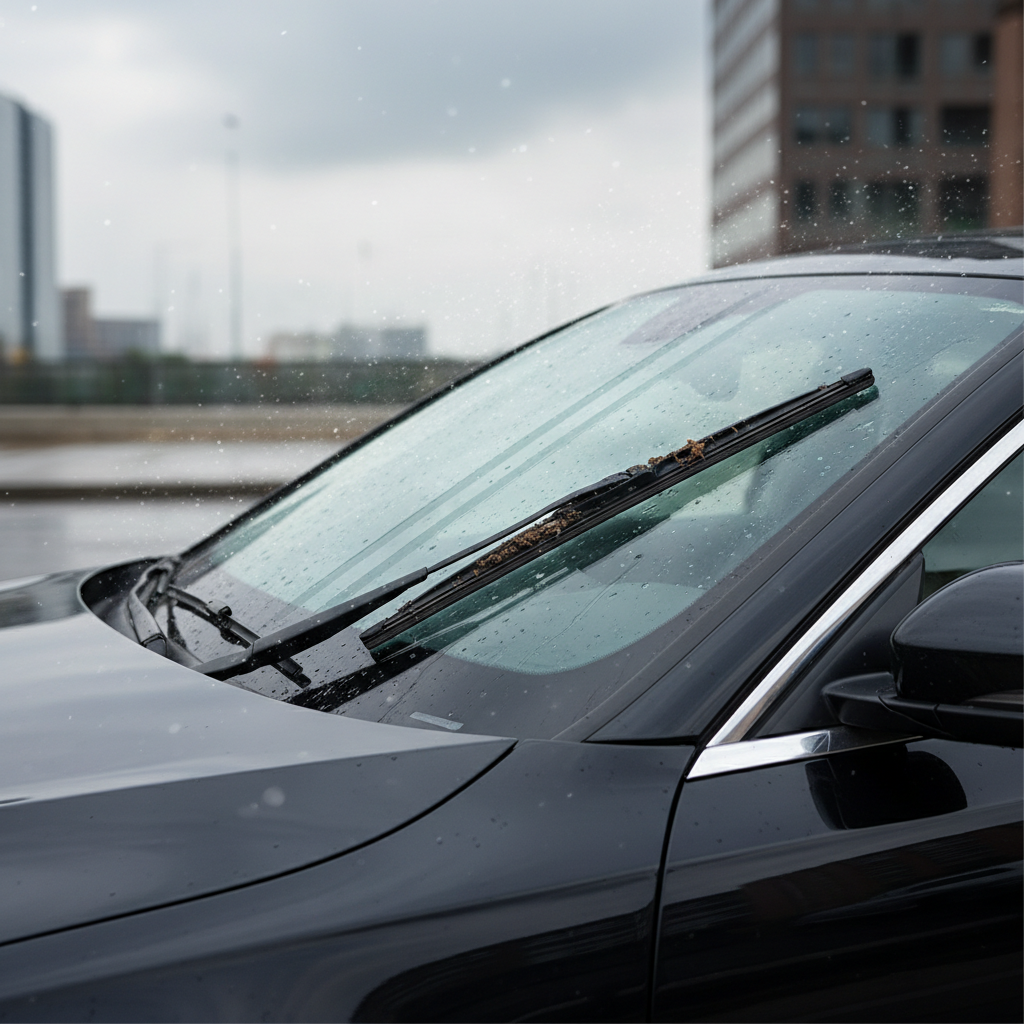
- Road film and washer fluid residue: oily mist, exhaust particles, and low-quality washer fluid can leave a slick layer on glass and rubber.
- Tree sap and pollen: spring pollen dust and sticky sap can “glaze” the blade edge so it can’t flex cleanly.
- Wax or rain repellent overspray: products meant for paint or glass often end up on blades, causing chatter and skipping.
- Heat and UV aging: rubber dries and hardens over time, then cleaning helps less and less.
- Dirty windshield: even perfectly clean blades will streak if the glass has a greasy haze or mineral spots.
According to the National Highway Traffic Safety Administration (NHTSA), maintaining clear visibility is a core part of safe driving, so if your wipers are leaving you guessing in rain, it’s worth fixing rather than “living with it.”
Quick self-check: is cleaning likely to help?
Before you grab supplies, do a quick diagnosis. It saves time, and it keeps you from scrubbing a blade that’s already cracked.
Signs cleaning often works
- Streaks look like smears or cloudy bands, not sharp un-wiped lines.
- Wipers chatter only sometimes, especially after you used washer fluid.
- The blade looks intact, with no chunks missing.
Signs replacement is more likely
- Split or torn rubber, or the edge looks jagged.
- One section never touches the glass (bent frame or weak tension).
- Streaking stays the same right after cleaning, even on a clean windshield.
One simple test: run a damp paper towel along the rubber edge. If it comes back black or brown, that’s grime, and cleaning typically improves the wipe.
What you need (and what to avoid)
You don’t need a detailing cabinet. A few basics work well and reduce the risk of damaging rubber.
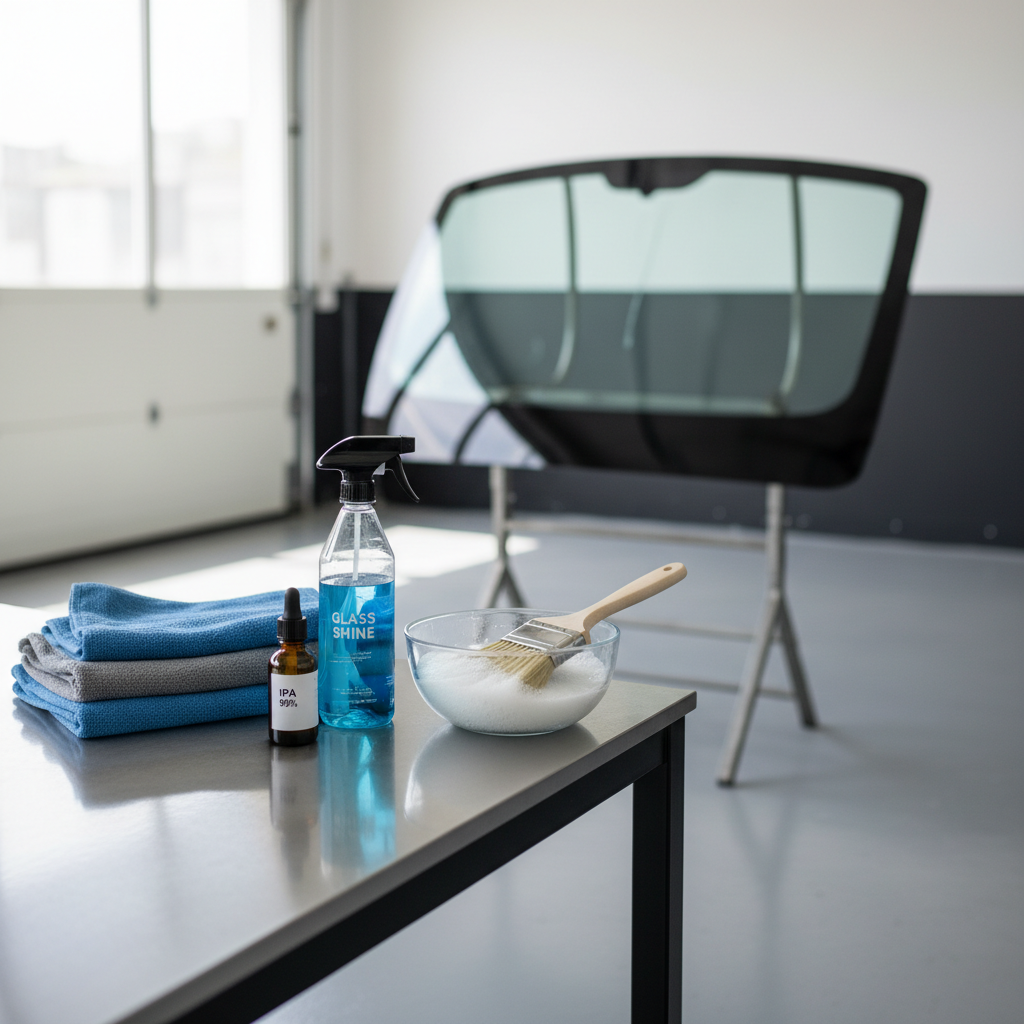
- Microfiber towels (2–3), plus paper towels for a quick grime check
- Glass cleaner or a mild car-safe soap mix
- Isopropyl alcohol (70% is common) for stubborn film, used sparingly
- Water (spray bottle helps)
Avoid harsh solvents (gasoline, acetone, paint thinner). They can swell or dry rubber and may shorten blade life. If you’re unsure about a product, check the wiper brand guidance or ask a local shop.
Step-by-step: how to clean car windshield wipers for better wipe
how to clean car windshield wipers for better wipe is easiest when you treat the glass and the blades as a pair. Clean only the blades and the streaks often return within a day.
1) Park safely and lift the wipers carefully
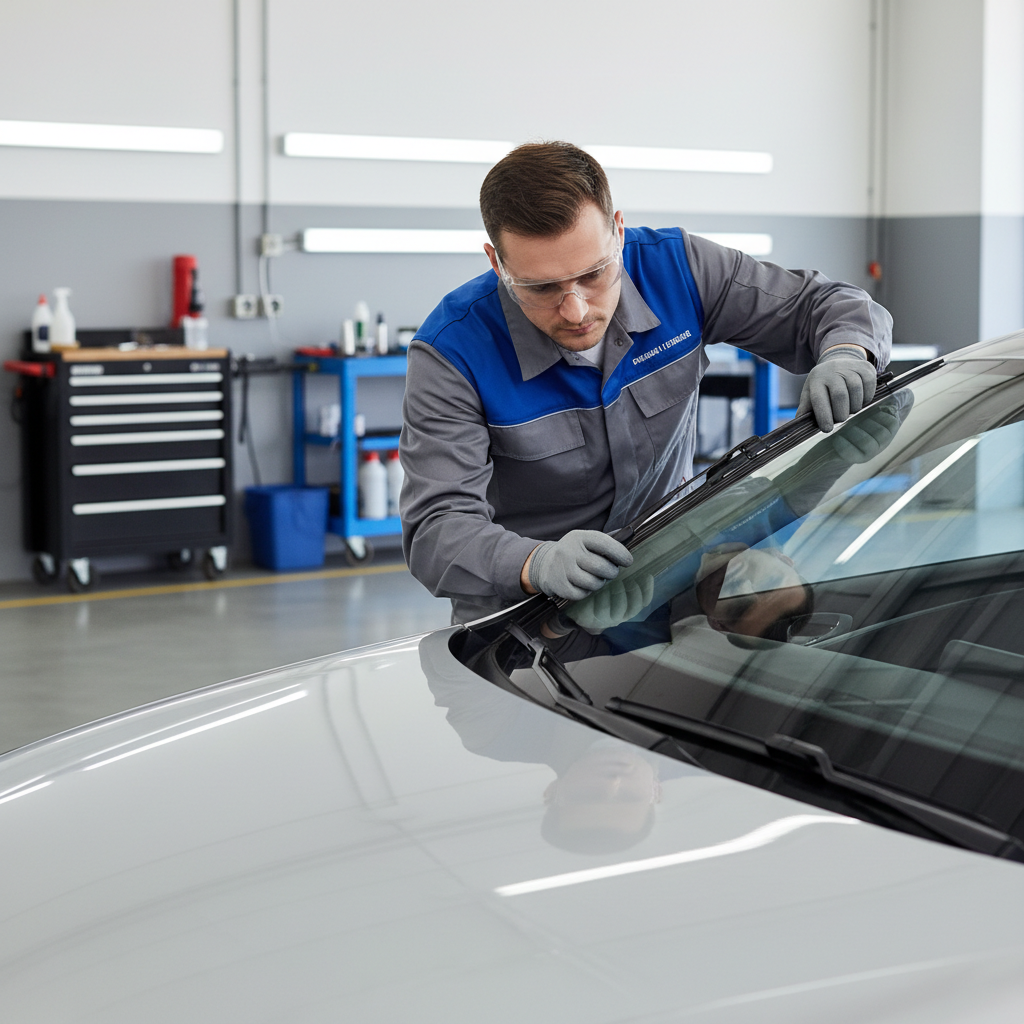
Work on a cool windshield, in shade if possible. Lift each wiper arm gently. Some cars have “service mode,” and some wiper arms can snap back hard, so keep a towel under the arm or hold it while you work.
2) Clean the windshield first
Spray glass cleaner, wipe with microfiber, then do a second pass with a fresh towel. If you see a hazy rainbow sheen at an angle, keep going, that’s usually oily film.
3) Wipe the blade edge until the towel stays clean
Wet a microfiber with water and a drop of mild soap, then pinch the rubber and wipe from one end to the other. Repeat with a clean section of towel.
- If the towel keeps turning black, that’s normal road buildup.
- Do not scrub the rubber sideways aggressively, you’re trying to clean the edge, not rough it up.
4) Spot-treat stubborn residue (only if needed)
For sap, waxy residue, or washer-fluid film, dampen a towel with a small amount of isopropyl alcohol and wipe the rubber once or twice. Then follow with a water wipe so alcohol does not sit on the blade.
5) Rinse the contact area and test the wipe
Spritz water on the windshield and run the wipers. If the wipe looks cleaner but still not great, keep reading, it might be glass contamination or alignment.
Troubleshooting: if it still streaks after cleaning
This is the part most people skip, they clean once, see streaks, and immediately buy new blades. Sometimes that’s right, sometimes you just have a different culprit.
Check for glass contamination (the “invisible” problem)
- Mineral spots: hard-water spotting can break the water sheet and mimic wiper streaks.
- Greasy haze: interior off-gassing, smoke, or oily cleaners can leave film.
If your glass feels grabby when you drag a clean microfiber across it, a deeper glass decon product or a dedicated glass polish may help. Use light pressure and follow product instructions, and if you’re not comfortable, a detailer can handle it quickly.
Check wiper arm tension and blade alignment
If one side wipes clean and the other smears, or the blade “flips” and chatters, the wiper arm may be slightly twisted or tension may be weak. Some arms can be adjusted carefully, but it’s easy to over-bend, so many drivers prefer a shop to do this.
Inspect the blade edge for micro-cracks
Rubber can look fine from a distance but still have tiny splits along the edge. In that case, cleaning buys little, replacement tends to be the practical fix.
Cleaning methods compared (quick table)
Different grime calls for different intensity. Here’s a simple way to choose without overdoing it.
| Method | Best for | Pros | Watch-outs |
|---|---|---|---|
| Soap + water wipe | Dust, normal road film | Gentle, safe for rubber | May not cut waxy residue |
| Glass cleaner on towel | Light grime, quick maintenance | Fast, easy | Some formulas can leave residue if overused |
| Isopropyl alcohol spot wipe | Oily film, sap traces, overspray | Cuts stubborn buildup | Use sparingly, follow with water wipe |
| Replace blades | Tears, hardened rubber, persistent streaks | Most reliable improvement | Wrong size or low-quality blades can still chatter |
Key takeaways and a simple maintenance routine
If you want fewer surprise streaks, small habits beat occasional deep cleans.
- Wipe the blades monthly with a damp microfiber, more often if you park under trees.
- Refill washer fluid with a reputable formula, and avoid mixing random fluids when possible.
- Clean the windshield weekly, especially the lower edge where grime builds up.
- Replace blades when rubber hardens, cleaning can’t restore flexibility.
According to AAA, routine vehicle maintenance supports safer driving; clear glass and predictable wipers are a small task that pays back fast when weather turns.
Conclusion: clearer wipes with less guesswork
how to clean car windshield wipers for better wipe isn’t complicated, but it works best when you clean the windshield and the rubber edge together, then confirm whether the blade is still flexible and making even contact.
Start with the basic wipe-down and a proper glass clean today, then run a quick water test. If streaks stay stubborn or you see cracks along the edge, move on and replace the blades, it’s one of the cheapest visibility upgrades you can make.
FAQ
How often should I clean windshield wiper blades?
Monthly is a realistic baseline for most drivers, and sooner if you notice squeaking or you park under trees. A quick damp wipe usually prevents heavy buildup.
Can I use WD-40 or silicone spray on wiper blades to stop squeaking?
It may seem to help for a short time, but it often leaves residue that smears on glass and can degrade rubber. If squeaking continues after cleaning, it’s usually better to clean the windshield more thoroughly or replace aged blades.
Why do my wipers streak right after I wash my car?
Wax, drying aids, or ceramic sprays can land on the blades or leave a film on the windshield. Re-clean the glass and wipe the blade edge with a damp microfiber, then retest with plain water.
Is rubbing alcohol safe for cleaning wiper blades?
In many cases, a small amount on a towel is fine for spot cleaning oily film, but it’s smart to use it sparingly and follow with a water wipe. If your blades are already dry or cracking, alcohol can be too harsh.
What if one wiper clears perfectly and the other smears?
That pattern often points to uneven contact, a slightly twisted arm, or a blade edge that has hardened on one side. Cleaning is still worth trying, but if it doesn’t change, inspect tension and consider replacement.
Do I need to replace wipers if they chatter on a dry windshield?
Chatter on dry glass can happen even with good blades, because wipers are designed to run on a wet surface. If they chatter in rain too, that’s when cleaning the glass and blades, then checking blade condition, becomes important.
What’s the fastest way to test whether cleaning worked?
Spray plain water across the windshield and run the wipers for a few passes. If the water clears evenly without foggy bands or skipping, you’re in good shape.
If you’re trying to stop streaks but keep ending up in the same loop, clean, test, still smear, it may help to bring the car to a local detailer or mechanic for a quick look at glass contamination and wiper arm alignment, that small check can save you from buying parts you don’t need.