
How to clean car mass airflow sensor correctly comes down to two things: using the right cleaner and not touching the sensing element, because that’s where most DIY jobs go wrong.
If your car has a rough idle, hesitant acceleration, stalling at stops, or fuel economy that suddenly drops, a dirty MAF sensor is a realistic suspect, but it’s not always the only one. The value in cleaning it is simple, it’s cheap and quick, and in many cases it restores drivability without parts swapping.
This guide walks you through the practical process, how to tell if cleaning is worth trying, what to avoid, and when it’s smarter to stop and diagnose deeper.
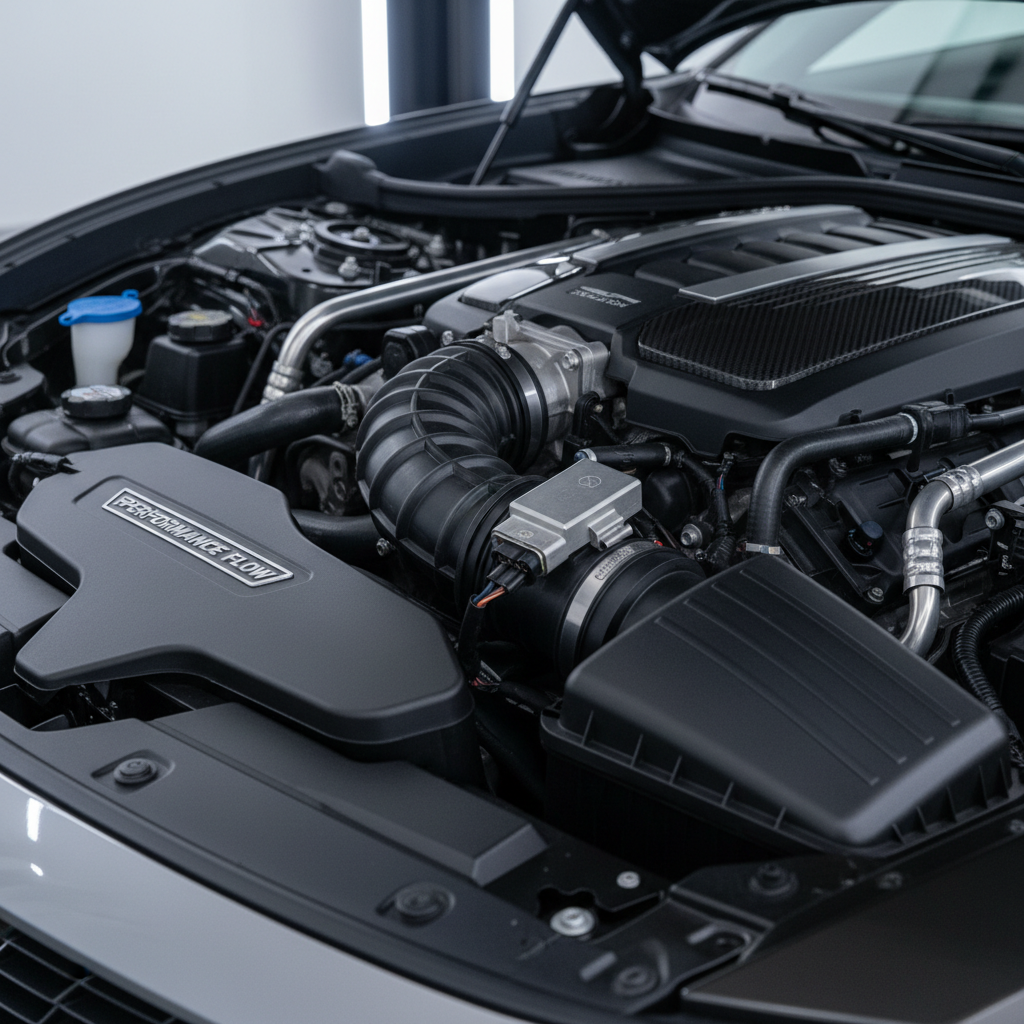
What the MAF sensor does, and why it gets dirty
The mass airflow (MAF) sensor measures how much air enters the engine, then the ECU uses that signal to calculate fuel delivery. When the reading drifts, the engine may run too rich or too lean, and that shows up as rough running or weak throttle response.
Common reasons MAF sensors get contaminated in real-world driving:
- Dust and fine debris passing through an old air filter or a poorly sealed airbox
- Oil vapor from crankcase ventilation that leaves a film over time
- Over-oiled aftermarket filters, excess oil can migrate onto the sensing wire or film
- Intake leaks that change airflow patterns and increase deposits
One important boundary: if the sensor is failing electrically, cleaning won’t fix it, and you can lose time chasing symptoms.
Quick self-check: is cleaning likely to help?
Before you grab a can, take 5 minutes to judge whether cleaning makes sense. You’re looking for “dirty sensor” patterns, not guarantees.
Symptoms that often improve after cleaning
- Rough idle that comes and goes, especially after warm-up
- Light hesitation on tip-in acceleration
- Noticeable MPG drop without a clear reason
- Check engine light with MAF-related codes (varies by vehicle)
Signs cleaning may not be your main answer
- Hard misfire under load, feels like a “cylinder drop” (could be ignition or fuel)
- Strong fuel smell, black smoke, or severe drivability issues (diagnosis needed)
- Visible damaged wiring, cracked sensor housing, broken connector lock
- Problems started right after intake work, could be a loose clamp or vacuum leak
If you have a scan tool, you can check live data, a MAF reading that is obviously erratic at steady RPM can support the “clean it” decision, but interpretation depends on engine size and operating conditions.

Tools and supplies (use the right cleaner)
You don’t need a lot, but one item matters more than people think, the cleaner must be made for MAF sensors.
- MAF sensor cleaner (aerosol, labeled for MAF use)
- Basic hand tools (usually screwdriver or small socket/bit)
- Nitrile gloves and safety glasses
- Clean shop towel (for your hands and housing only, not the sensing element)
Do not substitute brake cleaner, carb cleaner, or throttle body cleaner unless your vehicle’s service info explicitly allows it. Those products can leave residue or attack plastics in some cases.
According to CRC Industries (a widely available manufacturer of MAF sensor cleaner), MAF cleaner is designed to evaporate quickly and leave no residue, which is exactly what you want around sensitive electronics.
How to clean car mass airflow sensor correctly (step-by-step)
Work with a cool engine, in a well-ventilated area, and keep the process gentle. The sensing wire or film is delicate, and touching it is where expensive mistakes happen.
1) Locate the sensor and prep safely
- Turn the car off, remove the key, let the engine bay cool.
- Open the hood and find the MAF sensor on the intake tract, often between the air filter box and the throttle body.
- Optional but often smart: disconnect the negative battery terminal if your vehicle is sensitive to unplugging sensors, just remember you may lose radio presets.
2) Unplug the connector without stressing it
- Release the connector lock tab, then pull straight back.
- If it fights you, stop and look for a secondary lock, forcing it can break the housing.
3) Remove the sensor
- Remove the mounting screws/bolts, then lift the sensor out carefully.
- Do not drop it, and do not set it sensing-side down on a dirty surface.
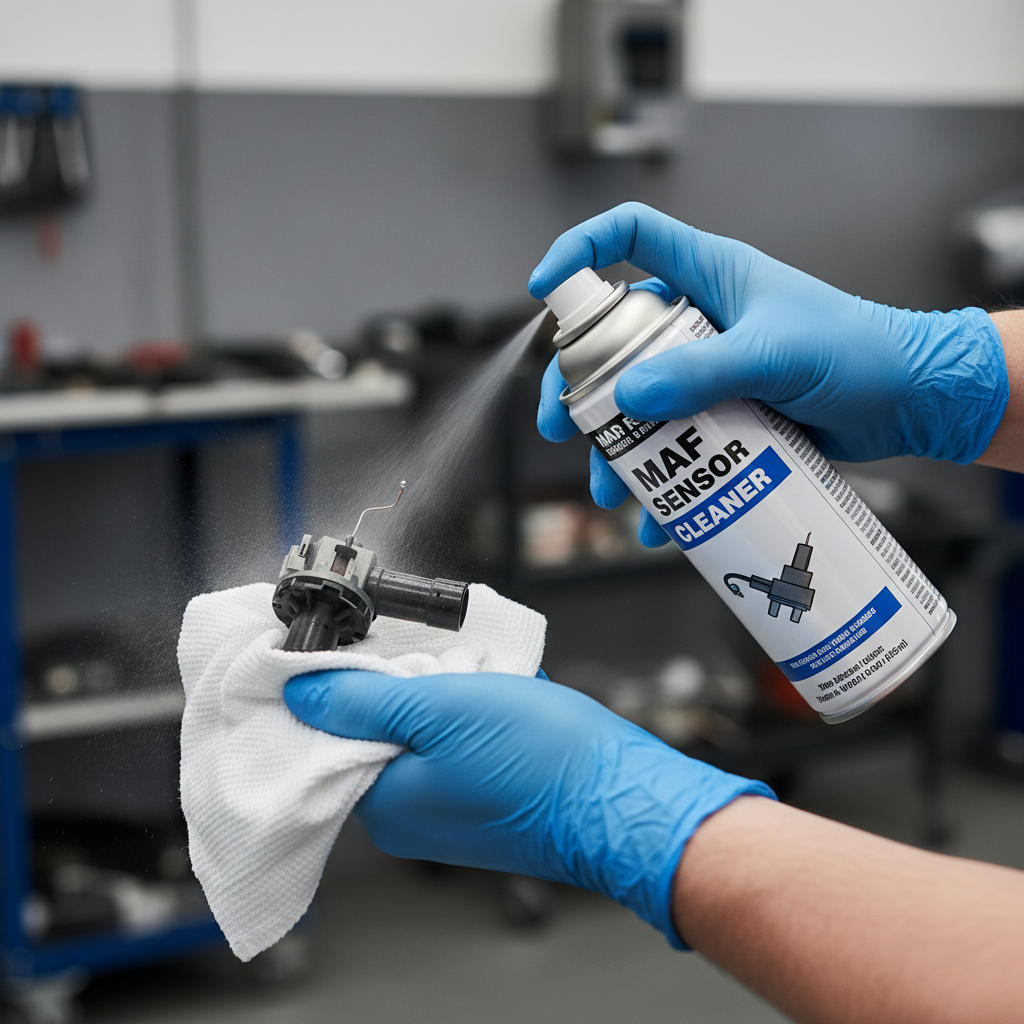
4) Spray the sensing area correctly
- Hold the can a few inches away and spray short bursts directly onto the sensing element and inside the bore.
- Rotate the sensor to reach different angles, you’re rinsing contamination off, not “scrubbing.”
- Do not touch the element with a swab, brush, or towel, even if it looks stubborn.
5) Let it dry completely
- Air dry only, typically 10–20 minutes, but follow the product label.
- Do not use compressed air or heat guns, you can damage the element or drive debris into it.
6) Reinstall and verify
- Reinstall the sensor, tighten screws snugly, avoid over-torquing plastic housings.
- Reconnect the connector until it clicks and sits fully.
- Start the engine, let it idle, then take a short drive and see if symptoms change.
If you’re repeating this job often, that’s a hint to look upstream, air filter condition, airbox seals, and whether an oiled filter is over-serviced.
Common mistakes that make things worse
A lot of “cleaning didn’t work” stories are really “cleaning introduced a new problem.” These are the repeat offenders.
- Using the wrong chemical, residue can skew readings and plastics can haze or crack
- Touching the sensing wire/film, even light contact can bend or break it
- Reinstalling while wet, solvent in the connector area can cause poor contact temporarily
- Ignoring intake leaks, a loose clamp after the MAF can create a lean condition and mimic a bad sensor
- Cleaning to “fix” unrelated issues, misfires from plugs, coils, or vacuum leaks won’t disappear because the MAF is clean
Troubleshooting after cleaning: what to check next
If you followed the steps and the car still runs poorly, don’t immediately assume the sensor is “bad.” Check the basics around it, because airflow measurement depends on the whole intake path.
Intake and air filter checks
- Air filter seated properly, not torn, not overdue
- Airbox clips and seals intact, no gaps that bypass the filter
- Intake boot not cracked, clamps tight, no loose vacuum lines
Electrical and data checks
- Connector pins straight, no corrosion, harness not rubbing through
- Scan for codes and look at freeze frame data if you have it
- If available, compare MAF live data at idle and at a steady cruise, you want stability more than “perfect numbers”
According to U.S. Environmental Protection Agency (EPA), proper vehicle maintenance helps keep emissions control systems operating as intended, and intake leaks or neglected filters can contribute to drivability and emissions problems, so it’s worth treating this as a system, not a single part.
When to stop DIY and get professional help
Cleaning is low-risk when done carefully, but some situations deserve diagnosis beyond a driveway test.
- Check engine light flashing, severe misfire risk, avoid driving and consult a technician
- Repeated MAF-related codes right after cleaning, could be wiring, air leaks, or sensor failure
- Modern vehicles with tight calibration or integrated MAF/MAP strategies, incorrect parts or procedures can create new faults
- You smell fuel, see smoke, or the car stalls in traffic, safety first
Shops can smoke-test the intake for leaks, verify sensor power/ground, and confirm whether the MAF signal matches expected airflow under load, that’s usually the difference between guessing and knowing.
Key takeaways (save this before you start)
- Use only MAF sensor cleaner, residue-free and electronics-safe matters.
- Never touch the sensing element, spraying is enough in most cases.
- Let it dry fully before reinstalling, don’t rush this step.
- If symptoms persist, check for intake leaks and scan for codes before buying parts.
Quick reference table: do’s, don’ts, and timing
| Item | Recommended | Avoid |
|---|---|---|
| Cleaner | MAF sensor cleaner (residue-free) | Brake/carb/throttle cleaner unless approved |
| Contact with sensor | Spray only, gentle handling | Swabs, brushes, towels on element |
| Dry time | Air dry 10–20 minutes (label guidance) | Compressed air, heat gun, reinstalling wet |
| After-clean check | Inspect air filter, clamps, intake boot | Ignoring leaks and chasing parts |
Conclusion: clean it carefully, then verify the bigger picture
If you needed a simple, practical answer, how to clean car mass airflow sensor correctly is mostly about restraint: the correct spray, no touching, full dry time, then a quick check for intake leaks and filter issues. Do that, and you usually learn something useful even if the symptom doesn’t vanish.
Your next move is straightforward, clean the sensor once, take a short test drive, and if the car still behaves the same, shift your effort toward leak checks and scan data instead of repeating the cleaning.
FAQ
- Can I clean a MAF sensor without removing it?
Sometimes you can spray it in place, but removal usually gives better access and reduces the chance you soak connectors or leave grime in the housing. If access is tight, removal is often safer. - How often should I clean my mass airflow sensor?
There isn’t one interval that fits every car. Many drivers only clean it when symptoms show up, while dusty environments or oiled filters may push you to check it more often. - Will cleaning the MAF sensor improve gas mileage?
It can, if incorrect airflow readings were causing a rich mixture. If MPG issues come from tire pressure, oxygen sensors, driving patterns, or fuel system problems, you may see little change. - Do I need to disconnect the battery before cleaning?
Not always. Unplugging the sensor with the ignition off is usually fine, but some vehicles are sensitive to connector handling. If you’re unsure, check the owner’s manual or service info. - Is it normal for the car to run rough right after reinstalling?
A brief stumble can happen as the ECU re-stabilizes airflow calculations, but it should settle quickly. If it gets worse or stalls, recheck the connector, clamps, and intake boot for leaks. - What if I used brake cleaner by mistake?
Don’t keep cycling the engine repeatedly. Let everything dry completely, then monitor for new issues. If idle becomes unstable or codes appear, a technician may need to inspect the sensor and connector. - Should I replace the MAF sensor instead of cleaning it?
If cleaning changes nothing and you have consistent MAF-related codes plus verified power/ground and no intake leaks, replacement becomes more reasonable. Diagnosis first helps avoid buying a part you didn’t need.
If you’re doing this because drivability issues keep coming back, or you’d rather not guess between a dirty sensor, an intake leak, and a wiring problem, a short diagnostic session with scan data and a smoke test can be a more efficient next step than repeated cleaning and random parts.