
how to diagnose car bad struts and shocks symptoms usually comes down to two things, what you feel while driving and what you can confirm with a few safe, simple checks in your driveway.
If you ignore early suspension warning signs, a small handling annoyance can turn into uneven tire wear, longer stopping distance, and a car that feels unpredictable in emergency maneuvers. Most drivers notice it as “the ride feels off,” then wait until tires look chewed up or the steering starts wandering.

This guide breaks the symptoms into patterns you can recognize, then shows how to confirm or rule out bad struts or shocks without guessing. You will also see when the “DIY check” ends and a shop inspection becomes the smarter, safer next step.
One quick clarification before we get into it, many cars use struts in front and shocks in rear, some use struts all around, and the symptoms overlap. The goal is not to win a terminology debate, it is to correctly identify suspension damping problems that affect control.
What struts and shocks actually do, and why symptoms feel confusing
Struts and shocks are dampers, they control spring motion so the tire stays planted instead of bouncing. Springs hold weight, dampers control movement. When damping fades, the car can still “drive,” but it stops feeling settled.
Struts also serve as a structural part of many front suspensions, they can affect alignment angles more directly than a simple shock setup. That is why worn struts often show up as steering instability plus tire wear, while worn rear shocks can feel like a floaty rear end that hops on rough pavement.
According to NHTSA, vehicle control and stopping distance are affected by tire traction, and traction depends on consistent tire contact with the road. Worn dampers do not always fail dramatically, they often degrade slowly, so drivers normalize the change until a tire set gets destroyed.
Common driving symptoms that point to bad struts or shocks
When people search how to diagnose car bad struts and shocks symptoms, they are usually trying to map a feeling to a part. Use this as a practical symptom-to-likelihood guide, not a guarantee.
Handling and braking feel “off”
- Nose dive under braking, front end drops more than it used to, especially in stop-and-go traffic.
- Rear squat on acceleration, noticeable lift in the front with a heavy, laggy feel out back.
- Body roll and sway, the car leans more in turns, then takes a moment to “catch up.”
- Steering feels loose or vague, you add small corrections to stay centered in your lane.
Ride quality changes that are more than “my road is bad”
- Excessive bouncing after bumps, speed humps, or driveway dips.
- Harsh impact over small potholes, like the suspension stops absorbing.
- Pogo effect on wavy highways, the car rises and falls repeatedly.
Noises and odd behaviors
- Clunking over bumps, sometimes from a blown strut, sometimes from mounts, end links, or bushings.
- Cupped tires and rumbling, tire scalloping can sound like a bad wheel bearing, but the wear pattern tells the story.
- Headlight bounce at night, headlights bob on uneven roads, often easier to spot than you think.
Fast self-check list, figure out which bucket you are in
Before you order parts or book a shop, run a quick triage. It saves money, and it prevents the common mistake of replacing shocks when the real issue is tires, alignment, or a loose suspension joint.
- Any warning lights? ABS or stability control lights can be unrelated, but if they appear with handling changes, get a scan and inspection.
- Is the car pulling? A pull can be alignment, tire pressure, or brake drag, not just struts.
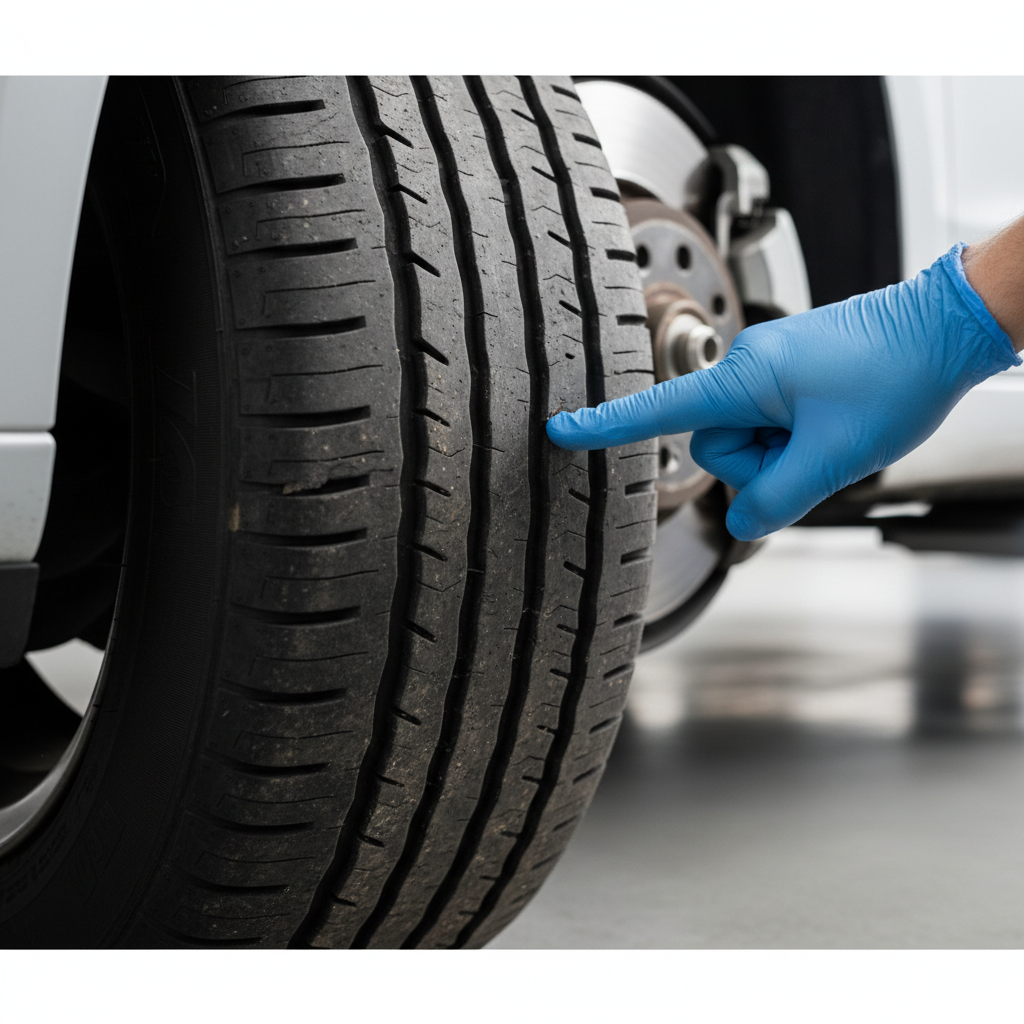
- Is tire wear uneven? Look for cupping, feathering, inside-edge wear, or one tire wearing faster.
- Does it happen only at certain speeds? A shake at 60–75 mph often points to tire balance or a bent wheel more than damping.
- Any recent changes? New tires, a curb hit, a lift/level kit, or heavy cargo can change feel quickly.
If you check three or more boxes above plus you have bounce, dive, or sway symptoms, you are in the “high suspicion” bucket for worn dampers or related suspension parts.

Driveway inspection, what you can safely confirm without special tools
You can learn a lot with a flashlight and patience. Park on level ground, set the parking brake, and keep hands clear of pinch points. If you need to get under the car, use proper jack stands, not just a jack.
1) Visual leak check
Look at the strut or shock body for wet, oily residue. A light film of dust is normal, but fresh oil streaks or a visibly wet damper often means it is blown or failing.
2) Mounts, boots, and hardware
- Torn or missing dust boots can accelerate wear, especially in salty or dusty environments.
- Cracked bushings or loose hardware can create clunks that mimic bad shocks.
- On strut cars, a worn top mount or bearing can cause noise when steering, even if the strut still damps decently.
3) Bounce test, useful but limited
Press down firmly on one corner of the car, then release and watch how it settles. Multiple rebounds can suggest weak damping, but modern cars with stiff springs or heavy components can make this test misleading. Treat it as a clue, not a verdict.
4) Tire pattern read
Cupping, also called scalloping, often shows as alternating high and low spots around the tire. Run your hand lightly over the tread, it can feel choppy. This pattern commonly pairs with worn shocks or struts, but it can also come from imbalance or loose suspension parts.
Road test steps, safe ways to reproduce and interpret symptoms
When you test-drive to confirm how to diagnose car bad struts and shocks symptoms, keep it boring and controlled. Empty roads, moderate speeds, no aggressive maneuvers. If anything feels unsafe, stop and schedule an inspection.
- Brake feel test: from 30–40 mph, apply firm, steady braking. Excessive nose dive plus steering wiggle can point to front damping or worn front suspension joints.
- Lane stability check: on a straight road, does the car track straight with light input, or does it hunt and require constant correction?
- Small bump repeat: drive over a known minor bump at a consistent speed. If the body continues to oscillate after the bump, damping is likely weak.
- Washboard or rough patch: if the car feels skittish and traction seems to “skip,” that can be a sign the tire is losing contact.
According to AAA, maintaining tires and suspension helps preserve handling and braking performance, especially in emergency situations. That is part of why it is worth diagnosing early instead of waiting for a dramatic failure.
Symptom-to-cause table, what else it could be
Bad struts and shocks are common, but not every bounce is a damper problem. This table helps you avoid replacing parts twice.
| Symptom you notice | Often points to | Also consider |
|---|---|---|
| Bouncing after bumps | Worn shocks/struts | Overinflated tires, wrong tire load rating |
| Nose dive when braking | Weak front struts | Worn control arm bushings, soft springs |
| Clunk over bumps | Loose/worn mounts | Sway bar end links, ball joints |
| Uneven, cupped tire wear | Damping loss over time | Bad balance, bent wheel, alignment issues |
| Steering wander | Front struts or alignment shift | Low tire pressure, worn tie rods |
What to do next, practical fixes by scenario
Once you feel confident about how to diagnose car bad struts and shocks symptoms, the next move depends on what you found, and how the car gets used.
If you see a leak or obvious damage
- Plan on replacement of the leaking unit, many shops recommend doing them in pairs on the same axle for balanced handling.
- Ask about related parts, strut mounts, bump stops, dust boots, and sway bar links often make sense to review while everything is apart.
If symptoms are strong but nothing looks broken
- Schedule a suspension inspection that includes play check for ball joints, tie rods, and control arm bushings.
- Get tire balance and alignment checked, especially if you have new tires or recently hit a pothole.
If you mostly notice tire wear
- Document wear with photos and measure tread depth across the tire, it helps a shop pinpoint alignment versus damping.
- Address the root cause before buying a full tire set, otherwise the new tires can start wearing the same way.
Common mistakes that waste money, or make the car less safe
- Replacing only one side on an axle, the car can feel uneven, and braking stability can suffer.
- Chasing ride harshness with shocks when the real issue is tire pressure, low-profile tires, or stiff aftermarket springs.
- Skipping alignment after strut work, many strut replacements change alignment enough to eat tires quickly.
- Ignoring related wear, a fresh strut with a worn mount can still clunk and feel wrong.
- Assuming a noise equals a damper, clunks often come from links, bushings, or loose hardware.
When to stop DIY and get professional help
If the car feels unstable in rain, the steering feels unpredictable, or braking distance seems longer, it is worth getting a professional inspection soon. Suspension faults can overlap with tire or brake issues, and the combination can raise risk.
Also get help if you see broken springs, severe rust around mounting points, or you need to disassemble strut assemblies. Spring compressors can be dangerous when used incorrectly, many DIYers choose to buy complete strut assemblies instead, or let a shop handle it.
Key takeaways and a realistic next step
Most how to diagnose car bad struts and shocks symptoms situations become clearer when you combine a calm road test with a basic visual inspection, then you cross-check what you found against tire wear. If you spot leaks, repeated bouncing, and lane wander, you likely have a damping problem even if nothing “looks” dramatic.
Your next step can stay simple, check tire pressure, document symptoms, then book an inspection if the car still feels floaty or unstable. Catching it early usually protects tires and makes the repair decision less stressful.
FAQ
How do I know if it is struts or shocks, not just bad tires?
Tires usually show vibration, noise, or pull that changes with speed and road surface. Worn dampers tend to show repeated bouncing, nose dive, and a floaty feel after bumps. If you see cupping plus bounce, suspension damping jumps higher on the list.
Can bad struts cause steering wheel vibration?
They can contribute, especially if tire contact becomes inconsistent on rough roads, but vibration at highway speeds more commonly comes from tire balance, wheel damage, or tire defects. A shop can usually separate these quickly with a road force balance and inspection.
Is a little oil film on a shock normal?
A light dusty film can be normal aging, but wet oil streaks or drips suggest the seal is failing. If the area looks freshly wet and the car feels bouncy, replacement becomes more likely.
Do I need an alignment after replacing struts?
In many cases, yes, especially with front struts because they affect suspension geometry. Even if the car drives straight afterward, an alignment check helps protect new tires and keeps handling consistent.
How long can I drive with bad shocks or struts?
It depends on how severe the symptoms are and your driving conditions, but continued driving can accelerate tire wear and reduce stability in emergency maneuvers. If the car feels unpredictable, it is smart to limit driving and schedule service.
What does cupping look like, and is it always shocks?
Cupping looks like scalloped dips around the tread, often felt by running your hand over it. Weak damping is a common cause, but imbalance, worn suspension joints, and alignment problems can also contribute, so it is worth getting the full front-end checked.
Should I replace struts and shocks in pairs or all at once?
Many technicians recommend replacing in pairs on the same axle to keep left and right behavior matched. Replacing all four can make sense if mileage is high and symptoms show on both ends, but budget and vehicle condition matter.
If you want a simpler path
If you are in the middle of diagnosing and you want fewer guesses, bring a short symptom note, a few tire photos, and your recent maintenance history to a trusted local shop, asking them to confirm damping condition, check for play in steering and suspension joints, and review alignment and tire wear together. That combination usually gets you to a clean, confident repair plan without buying parts twice.