
Best car storage organizers for back seat travel usually come down to one thing: keeping the stuff you actually need within arm’s reach, without turning the cabin into a rolling junk drawer. If you’ve ever had water bottles under the seats, toys everywhere, or chargers disappearing between cushions, you already know the pain.
The good news is you don’t need a complicated system. A few well-chosen organizers, placed in the right spots, can make road trips calmer, reduce distracted reaching, and speed up stops. According to NHTSA, keeping drivers focused and minimizing distractions matters for safety, so “less rummaging” is more than a convenience issue.
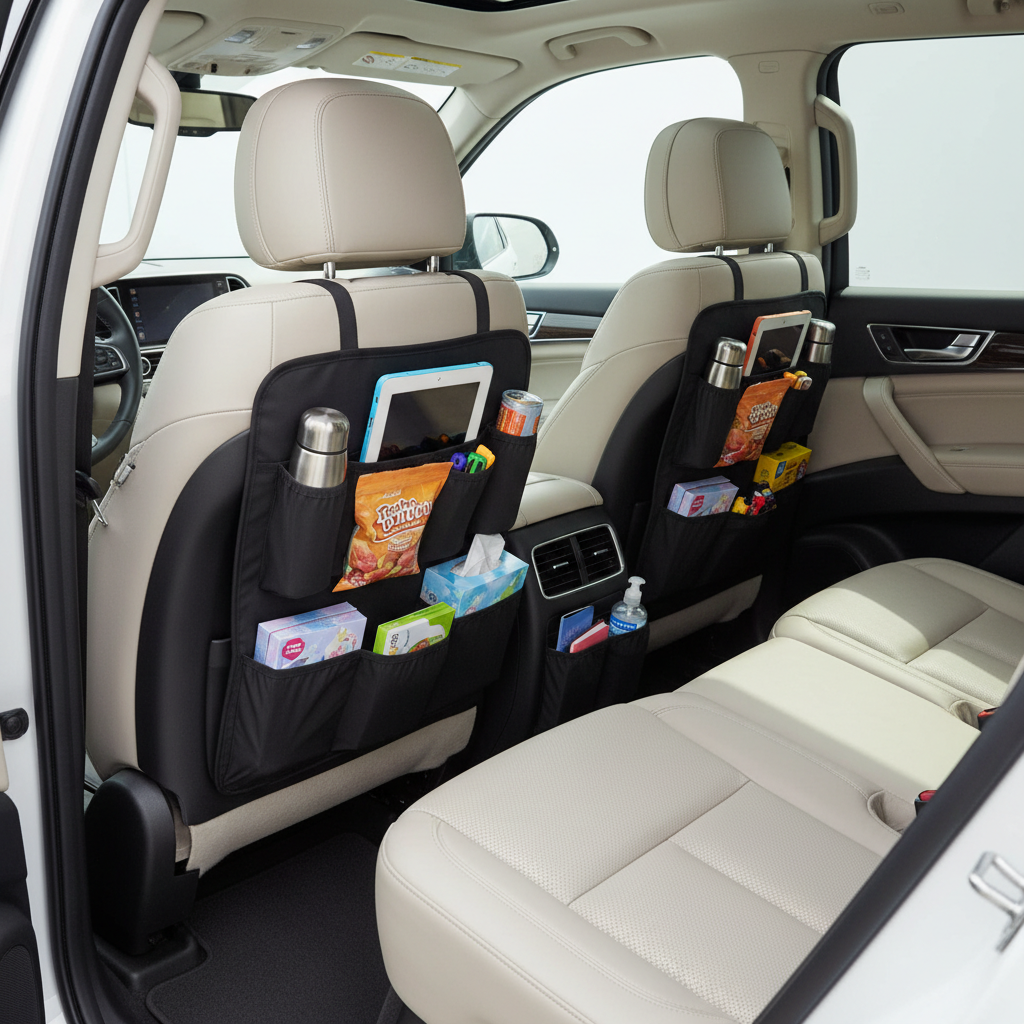
Below, I’ll break down the organizer styles that work best in real back-seat travel, how to choose based on your car and passengers, and a simple setup that stays tidy even when the trip gets messy.
What makes back-seat clutter happen (and why most “solutions” fail)
Most cars become chaotic in the back seat for a few predictable reasons, and once you see them, buying the right organizer gets easier.
- No “home” for small items: chargers, wipes, sunglasses, gum, and pens float around because there’s nowhere obvious to put them.
- Too many loose containers: tote bags and grocery bags slide, tip over, and spill every time you brake.
- Organizers placed where passengers won’t use them: if a kid can’t reach a pocket, they won’t put anything back.
- One organizer tries to do everything: giant organizers look impressive, then sag, block legroom, or become a trash pocket.
In practice, the best car storage organizers for back seat use tend to be smaller and “zoned” by purpose: quick-grab items up high, heavier items down low, and bulk storage anchored so it doesn’t slide.
Quick comparison table: organizer types and who they’re for
If you’re deciding fast, start here. Then we’ll go deeper on features that matter on the road.
| Organizer type | Best for | Pros | Watch-outs |
|---|---|---|---|
| Back-of-seat organizer | Kids, rideshare, road trips | Lots of pockets, easy access | Can scuff seat backs, can swing if straps loosen |
| Hanging trash can / bin | Fast food, long drives | Instantly reduces mess | Needs leak-resistant lining |
| Seat-gap organizer | Phones, wallets, small items | Stops “lost between seats” | Fit varies by seat design |
| Floor caddy / box | Families, sports gear | Stable bulk storage | Can steal foot space if oversized |
| Trunk-to-back-seat tote system | Frequent travelers | Pack once, move easily | Not “grabby” for small items |
How to choose: features that matter more than “number of pockets”
Shopping for the best car storage organizers for back seat travel can get weirdly confusing because listings focus on pocket counts. Here’s what usually matters more.
Fit and anchoring (the unsexy deal-breaker)
- Two anchor points beat one: a top strap plus a lower strap or seat-back buckle reduces swing.
- Headrest compatibility: some seats have fixed headrests, some have removable posts, some have integrated designs, check before buying.
- Bottom support: organizers that rest against the seat or have a stiff panel hold shape better.
Materials you can actually live with
- Wipe-clean surfaces matter if you travel with kids, pets, or coffee.
- Reinforced stitching helps when pockets carry heavier items like full bottles.
- Mesh pockets are great for visibility, but they stretch, so reserve them for light items.
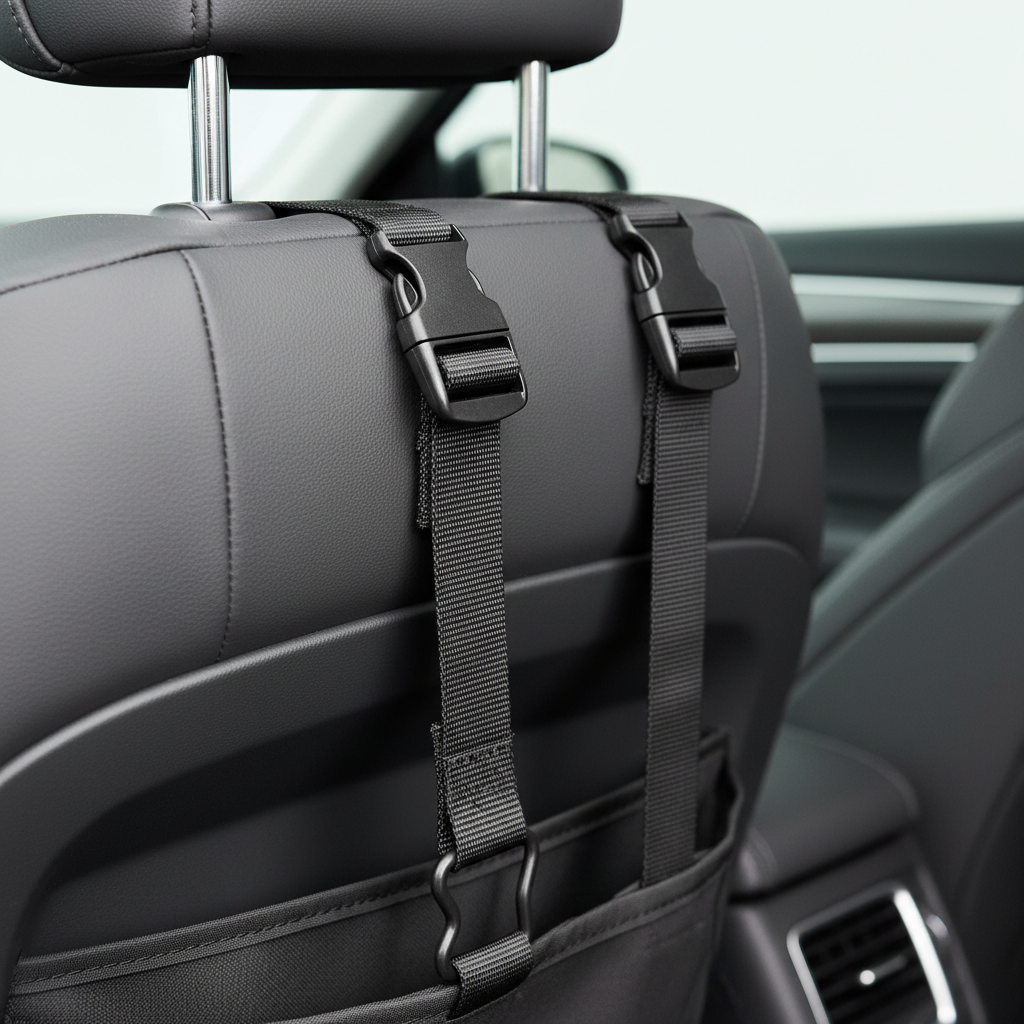
Safety and clean access
- Don’t block seat belts or airbags: if your vehicle has side curtain airbags, avoid bulky items stacked high near the window area. When unsure, check your vehicle manual or ask the dealer.
- Keep hard objects low: in sudden stops, heavier items can become projectiles, so store them in lower compartments or floor caddies.
- One-hand access for common items like tissues, wipes, and hand sanitizer makes the system stick.
A simple self-check: which setup fits your back seat?
Before buying anything, take two minutes and answer these. Your ideal organizer style will basically pick itself.
- Who rides back there most? toddlers, older kids, adults, pets, or a mix
- Do you need legroom? tall passengers usually hate bulky seat-back organizers
- Do you park in the sun? heat can warp cheap plastics and make adhesives fail
- What’s your “mess personality”? lots of small items vs fewer bulky items
- How often do you clean the car? weekly wipe-down vs “when it gets bad”
If the back seat is mostly kids, a seat-back organizer plus a small trash solution tends to be the fastest win. If it’s mostly adults, a slimmer approach often works better: seat-gap organizers and a low-profile floor caddy.
Recommended setups (by travel scenario)
Rather than chasing one perfect product, build a small “system” that matches how you travel.
1) Family road trips with kids
- Back-of-seat organizer for each front seat: dedicate top pockets to wipes/tissues and a snack zone.
- Leak-resistant trash bin: hang it behind the center console or on the back of a front seat, add a small roll of bags.
- Floor caddy for bulk: coloring books, extra water, a light jacket.
Key point: assign each child a “return pocket.” You’re not aiming for perfect tidiness, you’re aiming for fewer loose items underfoot.
2) Rideshare and carpool
- Slim seat-back organizer with a couple of visible pockets: tissues, wipes, small sanitizer.
- One shared charging cable routed cleanly so it doesn’t dangle into footwells.
- Seat protector panel if passengers tend to scuff the back of your seat.
Here, the best car storage organizers for back seat use usually look “minimal,” because passengers treat anything else like communal storage and it fills up fast.
3) Adults only, frequent travel
- Seat-gap organizer for phone, keys, wallet.
- Trunk tote system for gear: umbrella, emergency kit, reusable bags.
- Small console caddy for receipts and parking passes (so they don’t migrate).
Practical setup: a 15-minute “reset” that keeps working
If you want this to last beyond day one, set it up like you’re designing a tiny workspace.
- Step 1: Empty the back seat completely, even if you plan to put most of it back.
- Step 2: Create three zones: quick-grab (wipes, tissues), mid-grab (snacks, chargers), bulk (jackets, extra bottles).
- Step 3: Load by weight: heavy items low, soft items higher.
- Step 4: Add one “junk pocket” on purpose: a small pocket for temporary clutter reduces “stuff everywhere.”
- Step 5: Do a two-stop test: after two errands, see what ends up on the floor, then adjust pocket placement.
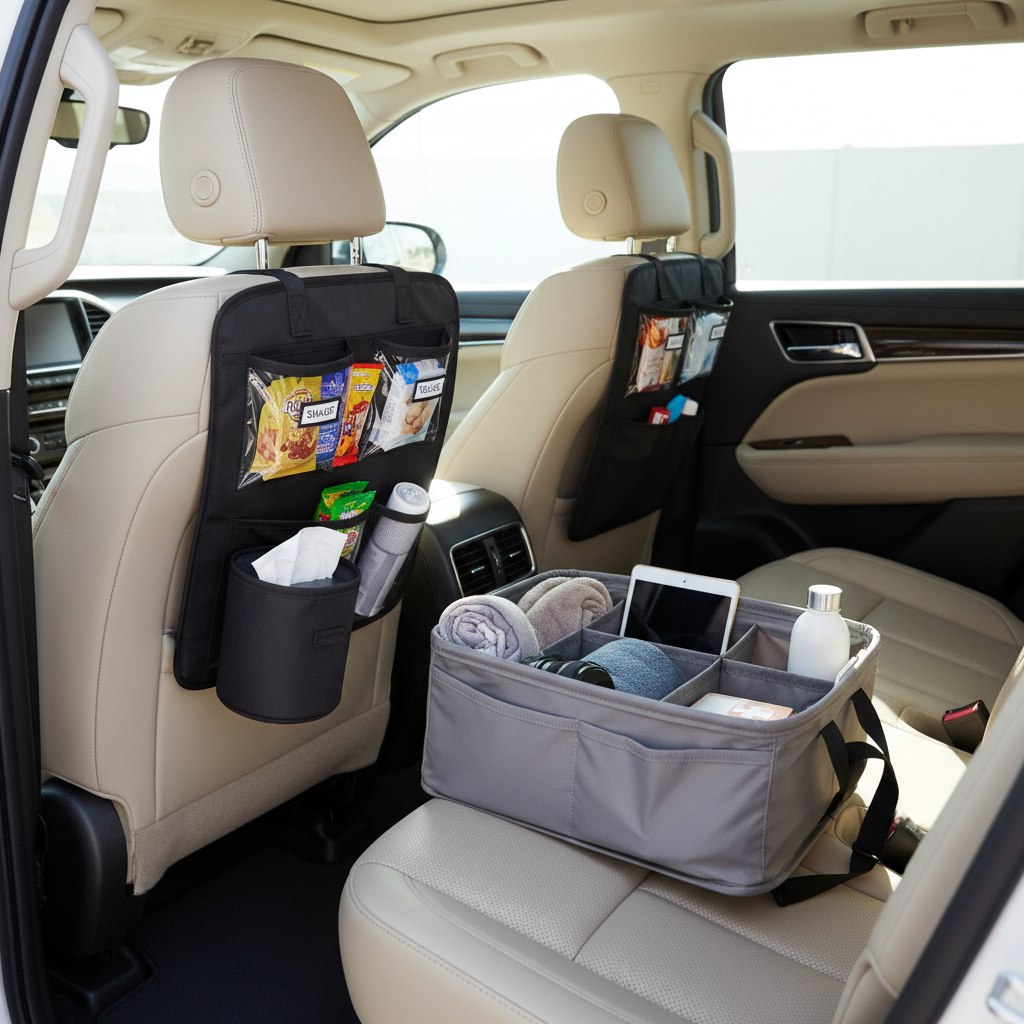
One small habit helps: keep a microfiber cloth or pack of wipes in the organizer, so quick cleanups happen before grime becomes “a project.”
Common mistakes to avoid (so you don’t buy twice)
- Overloading cup holders: they’re not designed for heavy bottles plus trash plus toys, things tip.
- Choosing organizers with floppy backs: they sag, then passengers kick them, then you stop using them.
- Putting snacks everywhere: one snack zone is easier to monitor, and it reduces crumbs migrating.
- Ignoring cleaning access: if the organizer blocks a seat pocket or makes vacuuming annoying, you’ll resent it.
- Storing sharp or hard objects up high: keep them low and secured, especially with kids in the second row.
According to CDC, proper child passenger safety includes using the right car seats and restraints for your child’s age and size; organizers should support that, not interfere with installation or belt routing. If you’re unsure whether something affects a car seat setup, it’s worth checking the car seat manual or consulting a certified child passenger safety technician.
Conclusion: what to buy first if you want the biggest impact
If you’re building from zero, start with two pieces: a stable back-of-seat organizer for day-to-day essentials and a small trash solution that’s easy to empty. That combo usually delivers the fastest improvement, and it’s why many people searching for the best car storage organizers for back seat travel end up happiest with a simple two-item setup.
Pick one zone to fix this week, not the whole vehicle. Set it up, drive twice, adjust, and only then add the next organizer if you still feel friction.
Key takeaways
- Fit and anchoring matter more than pocket count.
- Small, zoned storage stays usable longer than one oversized organizer.
- Keep heavy items low, and don’t block belts or safety equipment.
- A trash solution is often the highest ROI add-on.
FAQ
What are the best car storage organizers for back seat travel with toddlers?
Look for a seat-back organizer with wipe-clean fabric, a few deep pockets for bottles, and at least one “flat” pocket for books. Add a small trash bin to prevent wrappers and used wipes from piling up.
Will a back-of-seat organizer damage leather seats?
It can, depending on the backing material and how tightly it moves against the seat. If you have leather, choose a smooth backing, keep straps snug to reduce rubbing, and clean the contact area periodically.
How do I keep a back-seat organizer from swinging or sagging?
Prioritize designs with a lower anchor strap or buckle, and avoid loading the top pockets with heavy items. If it still swings, shorten straps and move weight to lower compartments.
Are seat-gap organizers universal?
Not always. Seat shapes and console gaps vary a lot by vehicle, and some gaps are too narrow or angled. Measure the gap width and depth, and be prepared to return a model that interferes with seat movement.
Where should I store water bottles for back-seat passengers?
Deep side pockets or lower organizer pockets work well. For larger bottles, a floor caddy is often more stable than a shallow seat-back pocket that can tip.
What’s the easiest way to keep the back seat clean on road trips?
Use one trash bin, one snack zone, and do a quick “two-minute reset” at every gas stop. It sounds small, but it prevents the end-of-trip cleanup from becoming overwhelming.
Can organizers interfere with car seats or safety features?
They can, especially if straps cross belt paths or bulky items sit near restraint hardware. When in doubt, keep organizers on the front seat backs, store heavier items low, and consult your vehicle and car seat manuals for guidance.
If you’re trying to choose between a few options and want a more “set it and forget it” layout, start by listing what you reach for most from the second row, then match each item to a specific pocket or bin, a small plan like that usually beats buying the biggest organizer you can find.