
Best car trash bags for trash cans come down to three things most drivers notice fast: fit (no slipping), leak resistance (no mystery puddles), and odor control (no “what is that smell?” on Monday morning). If you already own a car trash can you like, the bag choice is what decides whether it feels tidy or turns into a gross chore.
Biodegradable and compostable bags can be a good match for car use, but only if you pick the right thickness and understand what “biodegradable” usually means in real life, many bags need specific conditions to break down. This guide keeps it practical: how to choose sizes, what features matter, and when to skip eco bags for something sturdier.
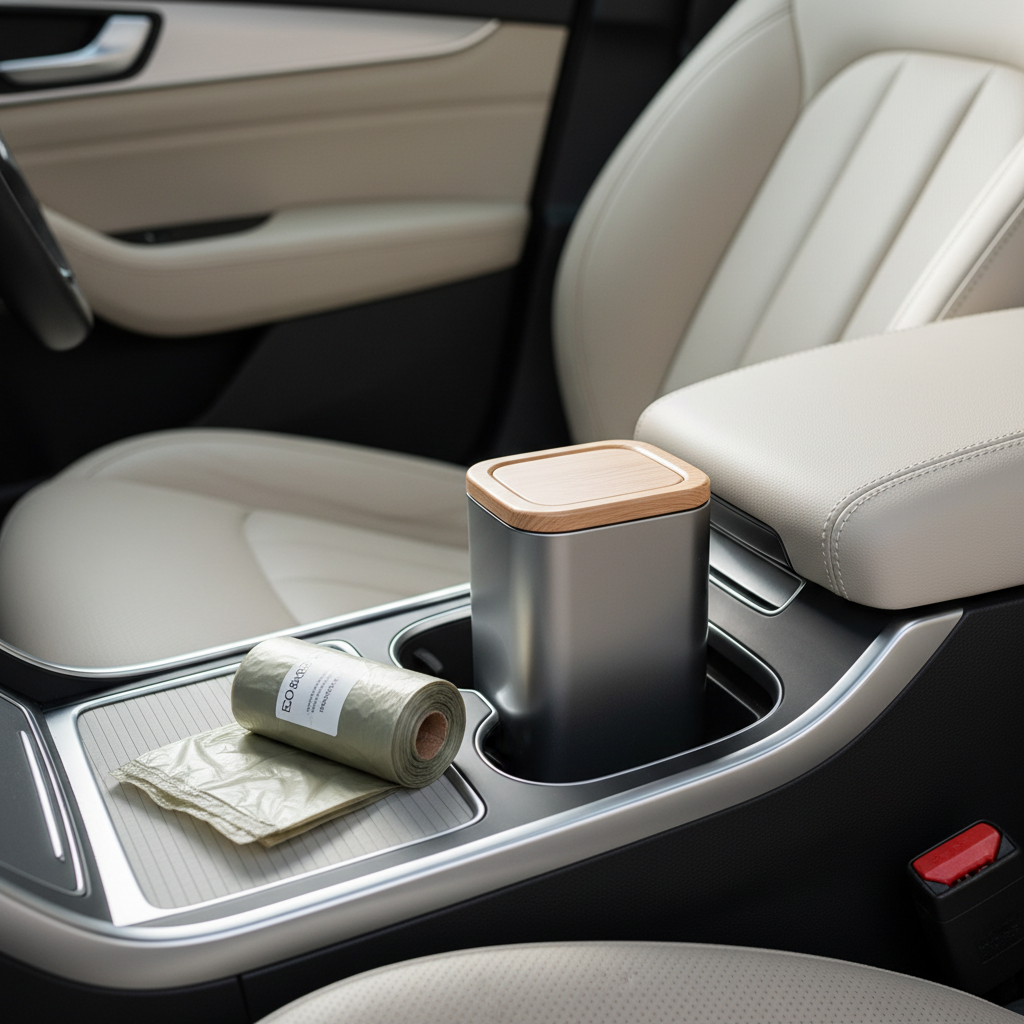
One more thing people miss: most “car trash” is lightweight but messy, coffee cups, napkins, receipts, kid snacks. That mix punishes thin bags and makes the wrong size feel like a daily annoyance. Let’s make the next purchase boring in the best way, it just works.
What usually makes car trash bags fail (and why it matters)
Car trash is a weird category: less weight than kitchen trash, more risk of drips, smells, and vibration. When bags fail in a car, it’s almost always one of these.
- Micro-leaks from wet waste: half-empty cups, condensation, sauce packets. A “biodegradable” bag that feels papery can wick moisture and seep.
- Bag slipping inside the can: smooth liners slide down, then trash piles up outside the bag, which defeats the whole point.
- Rips during removal: tight cans plus thin film equals tearing at the rim when you pull it out.
- Odor build-up: cars heat up, and heat accelerates stink. Even “unscented” can be the right call if you swap often.
- Wrong size: too small pulls off, too large bunches and gets snagged in swing lids or spring frames.
According to U.S. Environmental Protection Agency (EPA), “biodegradable” claims can be tricky because breakdown depends on conditions and time. In a tied bag sitting in a landfill, or in a hot car for days, the real-world outcome may differ from the label, so treat eco claims as a bonus, not the only decision factor.
Biodegradable vs compostable vs “regular” liners: what to buy for a car
In shopping results, these terms get mixed, but they behave differently. For a vehicle, performance often matters more than category.
Biodegradable bags
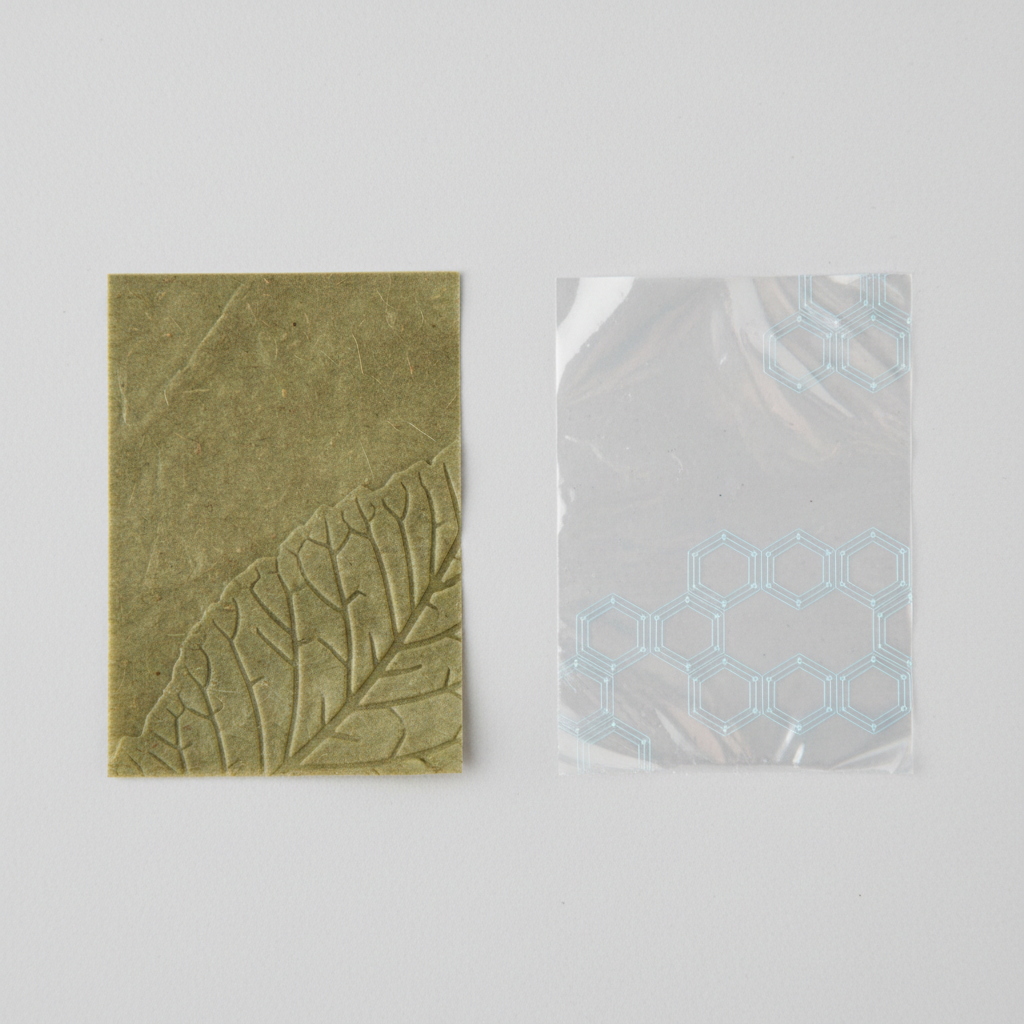
Many biodegradable liners are designed to break down faster than conventional plastic under certain conditions. Some feel similar to thin plastic, others feel matte and slightly stiff. In cars, they can work well for dry trash, but for wet waste you want thicker film and better seams.
Compostable bags
Compostable bags are typically plant-based materials and often marketed for food scraps. They can be great for cups, peels, and sticky waste, but they also can soften with heat and moisture if left too long. If you commute daily and empty often, they’re usually fine; if you go a week between cleanouts, you might prefer a more robust liner.
Conventional plastic liners
If you regularly toss liquids, gum, or sharp items, conventional bags still tend to win on puncture resistance. Some drivers use a “hybrid” approach: compostable for routine dry days, sturdier bags for road trips or kid-heavy mess weeks.
Quick checklist: how to tell if a bag will fit your car trash can
If you want fewer surprises, measure the can you already own. It takes two minutes and saves you from buying “small” that’s not actually small.
- Rim circumference: wrap a tape measure around the top. Pick a bag with opening width that can stretch over the rim without strain.
- Can height: bag should be at least 2–4 inches taller than the can so you can fold it over and still have grip.
- Mount style: headrest-hanging and console-insert cans like different bag behavior. Hanging cans benefit from stronger handles or drawstrings.
- Lid type: spring frames and flip lids snag oversized bags that bunch up. A closer fit reduces jams.
- Typical trash type: mostly dry? you can prioritize eco. Often wet? prioritize leak resistance and thickness.
Practical tip: if the can uses a removable inner bucket, match the bag to the bucket, not the outer shell. That’s the real “working” container.
Top features to look for in the best car trash bags for trash cans
Ignore flashy listings and focus on build details that show up in daily use.
- Leak-resistant seams: bottom seams matter more than “thick” claims. If reviews mention pinholes or seam splits, skip.
- Puncture resistance: receipts and napkins are easy, but plastic forks, toothpicks, and broken straw bits can poke through.
- Drawstring or handles (for hanging cans): makes removal cleaner, and you’re less likely to drop trash back into the car.
- Matte finish (often): many drivers find matte films grip the rim better than very slick liners, though it varies by brand.
- Unscented vs scented: light scent can mask odors, but in a hot car it can feel overwhelming. If you’re sensitive, go unscented and empty more often.
- Roll packaging that fits your storage: glove box, door pocket, center console. Tiny rolls are underrated.
Key point: “biodegradable” on its own does not guarantee strength. Treat it like material type, then judge it like any other bag.
Fit and size guide (common car trash can styles)
Because many listings use vague sizes, it helps to anchor by can style. These are typical pairings that tend to work in many cases, but always verify your can measurements.
| Car trash can style | What usually fits best | What to avoid |
|---|---|---|
| Console mini bin (2–4L) | Small liners, 1.5–3 gal, extra length to fold over rim | Oversized 4–6 gal bags that bunch and jam lids |
| Door-pocket bin | Narrow-profile bags, matte film for grip | Wide-mouth liners that slide down when the door closes |
| Headrest hanging bag/can | Drawstring or handle bags, medium thickness | Handleless thin liners that tear during removal |
| Floor bin (rear seat / kid area) | 3–6 gal bags, stronger seams for heavier mixed waste | Very thin compostable liners if you leave waste for days |
Practical picks by scenario (so you buy once)
Rather than chasing a single “best,” match the liner to how you actually use your car. This is where most people finally stop being annoyed by their trash setup.
If you mainly toss dry trash (receipts, wrappers, tissues)
- Go with biodegradable or compostable liners if you want a lower-plastic option
- Prioritize rim grip and easy tear-off rolls
- Keep capacity small so you empty more often, it keeps odors down
If you often have wet trash (coffee cups, melted ice, kids’ snacks)
- Choose leak-resistant liners, and don’t be afraid of slightly thicker film
- Consider double-lining on road trips, it sounds excessive until you’ve had one spill
- Empty every 1–3 days in warm weather if possible
If you share the car (rideshare, family, carpool)
- Pick bags with drawstrings so anyone can tie and remove cleanly
- Keep spare rolls in two places, one upfront, one in the rear
- Use a bin with a lid to reduce visible mess and odor spread
How to use car trash bags so they don’t leak, slip, or stink
Even the best car trash bags for trash cans can feel terrible if the setup is off by a small detail. These habits tend to fix 80% of complaints.
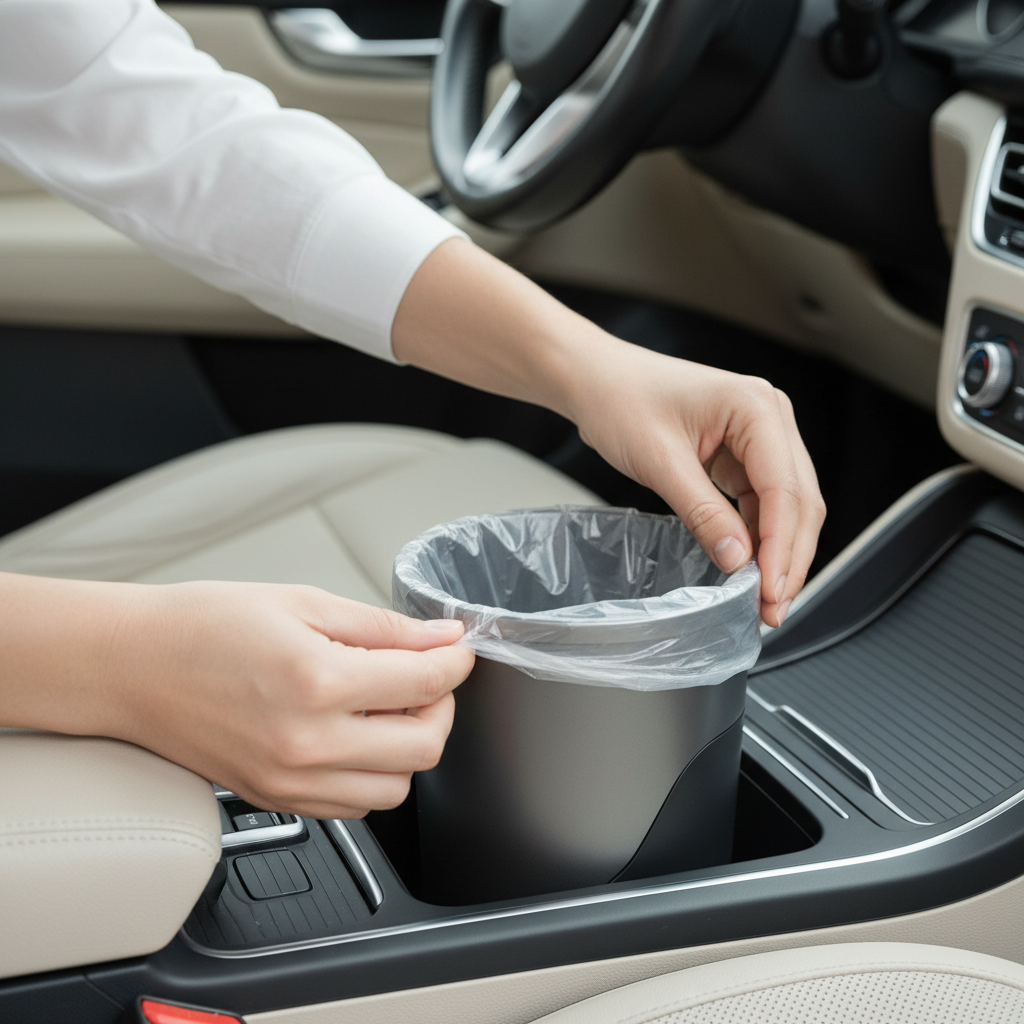
- Fold 2–3 inches over the rim, then press around the entire edge so it “locks” by friction.
- Add an absorbent layer for wet-heavy use, a few napkins at the bottom reduces splash and seep risk.
- Don’t compress messy trash by hand, it increases punctures and squeezes liquids into seams.
- Set a dump routine: gas station stops, end of workweek, or every car wash, consistency beats perfect bags.
- Keep a spare bag in the can (folded flat under the liner), when you pull one out, the next one is ready.
For odor, ventilation matters. If your can has a lid, that helps, but don’t trap a half-full drink for a week in summer, no bag really “wins” that situation.
Common mistakes to avoid (especially with biodegradable liners)
Eco-friendly options can be totally fine, but they’re less forgiving when usage gets sloppy.
- Leaving food waste too long: compostable materials may soften over time, particularly with heat and moisture.
- Assuming “biodegradable” means backyard-compostable: many products require specific industrial conditions. According to Federal Trade Commission (FTC), environmental marketing claims should be clear and not overstated, so look for precise certifications and disposal guidance rather than vague labels.
- Buying the smallest size to “save space”: a liner that barely fits is the one that slips down and ruins your day.
- Skipping a rigid can: bags alone hanging from a hook often sag and tear; a simple small bin supports the liner.
When it’s worth getting expert help or changing your setup
If you deal with frequent nausea-triggering odors, mold concerns, or you’re cleaning up unknown residues, you may want to be more cautious. A professional detailer can help deep-clean fabrics and vents, and if you suspect a spill reached electrical areas, a mechanic’s advice can be safer than DIY guessing.
For most people, though, the fix is simpler: switch to a better-fitting can, then pair it with liners that match your trash type. Bags solve a lot, but not everything.
Conclusion: what to buy and what to do next
Picking the best car trash bags for trash cans is less about a single “top” product and more about getting the fit right, then choosing the material that matches your mess level. If your trash is mostly dry, biodegradable liners are often an easy win; if you regularly toss wet waste, leak resistance and seam quality deserve more weight than the eco label.
Two simple actions usually pay off fast: measure your can rim and height before you reorder, then set a predictable emptying routine so odors never get a head start.
FAQ
- What size is best car trash bags for trash cans in a small console bin?
Most console bins do well with small liners around 1.5–3 gallons, but the more reliable method is measuring rim circumference and picking a bag that can fold 2–4 inches over the top. - Are biodegradable car trash bags actually better for the environment?
It depends on the material and disposal method. Many biodegradable or compostable bags need specific conditions to break down, so they can be a good choice, but they’re not magic. Look for clear certification language and follow local disposal guidance. - Do compostable bags leak more in a hot car?
They can, especially if they hold wet food waste for days. If your car sits in direct sun, consider thicker compostable liners or switch to more leak-resistant bags during heat waves. - How do I stop the bag from sliding down into the car trash can?
Use a bag that’s a few inches taller than the can, fold it over the rim, and press around the edge. Matte films and slightly snug openings often grip better than very slick liners. - Should I use scented liners in my car?
Scented can help with mild odors, but in a warm cabin the fragrance can feel too strong for some people. If you’re sensitive, unscented plus more frequent emptying usually works better. - Can I use grocery bags as car trash liners?
You can, but fit and leaks are inconsistent, and many areas have moved away from single-use plastic bags. Purpose-made small liners tend to be cleaner to remove and less likely to tear. - How often should I change my car trash bag?
For dry trash, weekly might be fine; for wet or food-related waste, every 1–3 days is a safer rhythm, especially in warm weather.
If you’re trying to keep your car cleaner without thinking about it every day, start by matching liner size to your current trash can, then choose between compostable and leak-resistant options based on what you actually throw away most, that small reality check usually saves the most money and frustration.