
Best car vacuum cleaner wet dry options matter most when your mess is a mix of coffee drips, muddy footprints, pet hair, and the mystery grit that lives in every floor mat. A regular dry-only handheld can keep up with crumbs, but it tends to tap out fast when moisture, sticky spots, or heavy debris show up.
This guide narrows what to look for, what to ignore, and how to match a wet/dry car vac to your parking situation, your interior materials, and the kind of mess you actually deal with week to week.
One quick mindset shift before we get picky, “wet/dry” on the box does not mean you can vacuum up gallons, or use it like an extractor shampooer. In many cases it means small liquid pickup plus standard dry suction, and the difference is in the tank design, filtration path, and safety cutoffs.
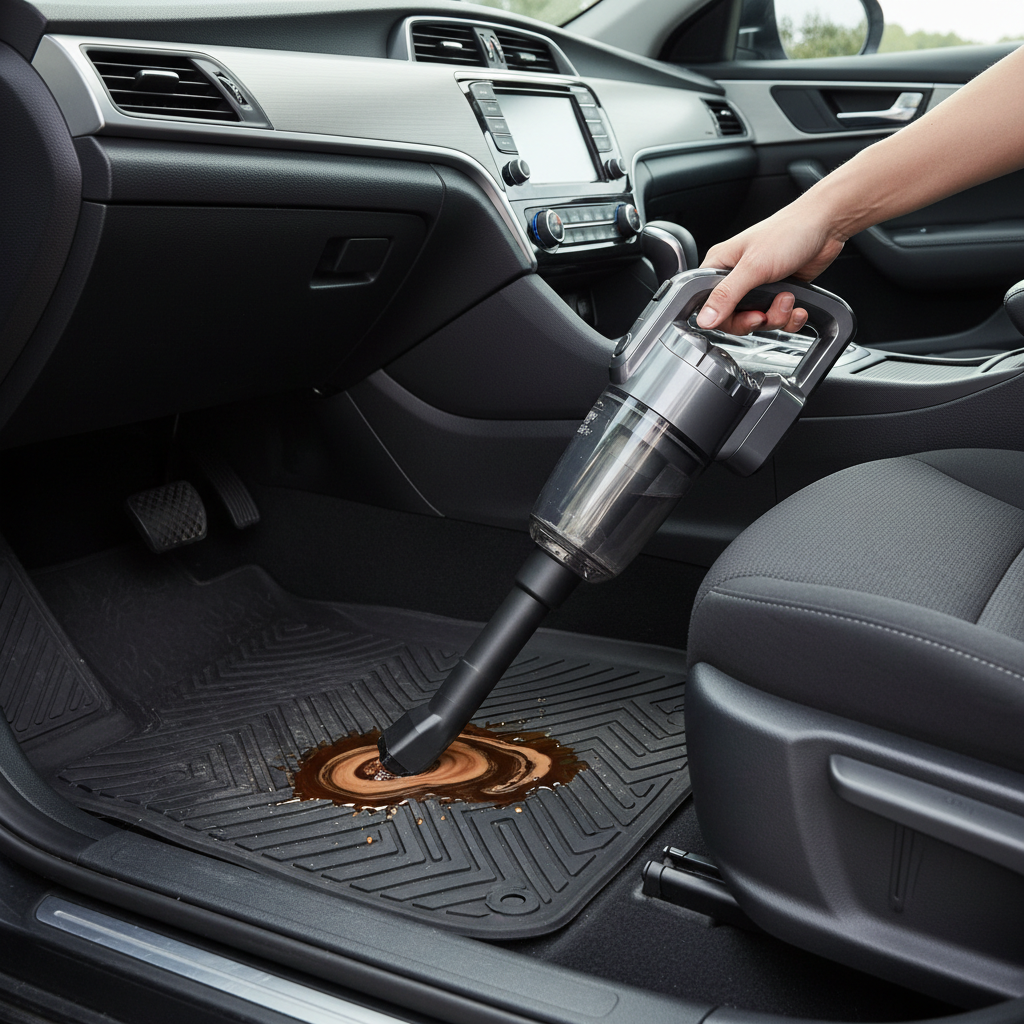
What “wet/dry” really means for a car vacuum
In car-cleaning terms, wet/dry usually points to safe liquid pickup through a separate airflow path, a float valve, or a different filter setup so the motor is less likely to ingest moisture. That’s useful for fresh spills, melted ice, slushy floor mats, and post-beach cleanup.
But there are limits. Many handheld wet/dry units handle small amounts of liquid, then require immediate tank emptying and drying. If you routinely clean soaked carpets or deep stains, you may need an extractor-style machine or professional detailing.
According to OSHA, wet/dry vacuums are commonly used to collect liquids and debris in work settings, but they still require proper maintenance and safe electrical practices. Treat that as a reminder to follow the manufacturer’s instructions and avoid risky DIY power setups in wet areas.
Why people end up disappointed (and how to avoid it)
Most “this vacuum is weak” complaints come from mismatched expectations rather than a truly bad product. A wet/dry car vac that’s great for cupholder spills can feel underpowered on embedded sand in thick carpet.
- Airflow vs sealed suction: Specs like “Pa” or “kPa” can help, but nozzle shape, hose diameter, and leaks at connections change real performance.
- Wrong tools: Without a crevice tool and brush, you end up pushing debris around seats and rails.
- Tank and filter habits: A half-full tank, a damp filter, or a clogged pre-screen can cut suction fast.
- Power source mismatch: 12V units are convenient, but many run into limits for heavy debris compared with strong cordless or compact corded models.
Quick comparison table: picking the right type
If you want the best car vacuum cleaner wet dry for your situation, start with how you’ll power it and where you’ll store it. Here’s a practical snapshot.
| Type | Best for | Typical tradeoffs | What to check |
|---|---|---|---|
| 12V (cigarette-lighter) | Quick cleanups in parking lots | Often lower sustained power | Cord length, fuse rating, wet tank design |
| Cordless battery | Apartment/garage use, frequent touch-ups | Runtime limits, battery aging | Realistic runtime, replaceable battery, filter access |
| Corded compact (120V) | Deep cleans at home | Needs outlet, extension cord management | Hose reach, wet/dry separation, storage |
| Small shop vac (wet/dry) | Sand, pet hair, heavy floor mat debris | Bigger footprint, more setup | Nozzle set, car-friendly adapters, noise |
Buying checklist: features that matter in real cars
Here’s what tends to move the needle in day-to-day use, even more than marketing numbers.
Wet pickup design you can trust
- Separate wet tank or clear max fill line, so you do not guess when to stop.
- Float shutoff (or similar) to reduce the chance of overfill reaching the motor.
- Easy rinse surfaces inside the tank, sticky drinks turn into smell fast.
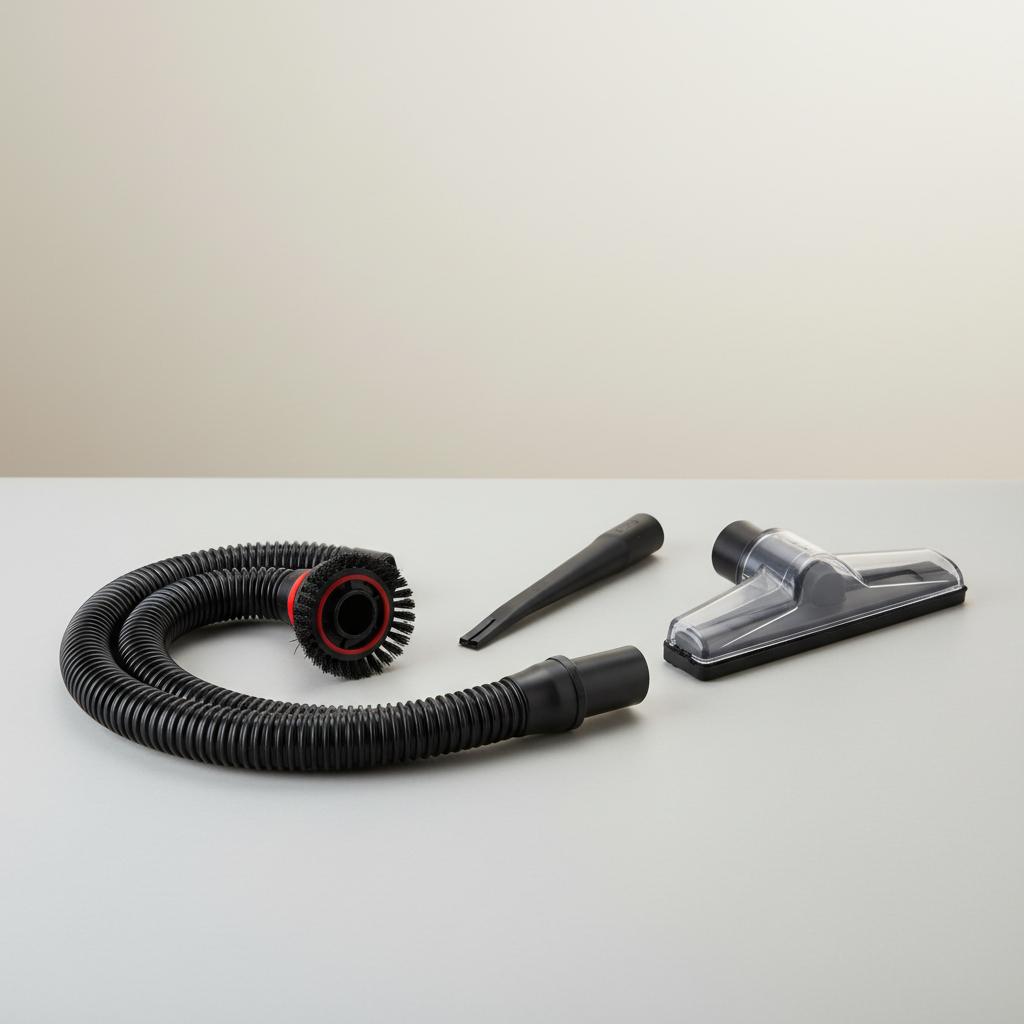
Attachments that solve common pain points
- Crevice tool for seat rails, console gaps, and door pockets.
- Soft brush for vents and dashboards, less risk of scratching.
- Wide nozzle for floor mats and larger debris.
- Flexible hose if you drive an SUV or have tight angles under child seats.
Filtration that matches your mess
If you deal with fine dust, a better filter helps keep exhaust air cleaner and prevents the filter from clogging immediately. According to EPA, indoor air quality can be affected by fine particles, so capturing dust instead of blowing it around is a practical win, especially if you have allergies.
Usability details people forget to check
- Emptying method: dump-and-go beats fiddly latch systems, because you will empty it often.
- Noise: small high-RPM motors can sound harsh, consider when and where you’ll use it.
- Storage: if it does not fit your trunk corner, it ends up in the closet and never gets used.
Self-test: which wet/dry car vacuum fits you?
If you answer these quickly, you’ll usually narrow to one or two styles without overthinking.
- I park in an apartment garage or on the street: favor cordless or 12V, prioritize quick setup.
- I clean kid spills weekly: wet tank design and rinseability matter more than max suction claims.
- I have a dog that sheds: brush attachment and strong airflow matter, wet pickup is secondary.
- I track in sand or salt: a compact corded unit or small shop vac often feels more “serious.”
- I want one tool for car and small home messes: cordless wet/dry can be a good compromise, check runtime.
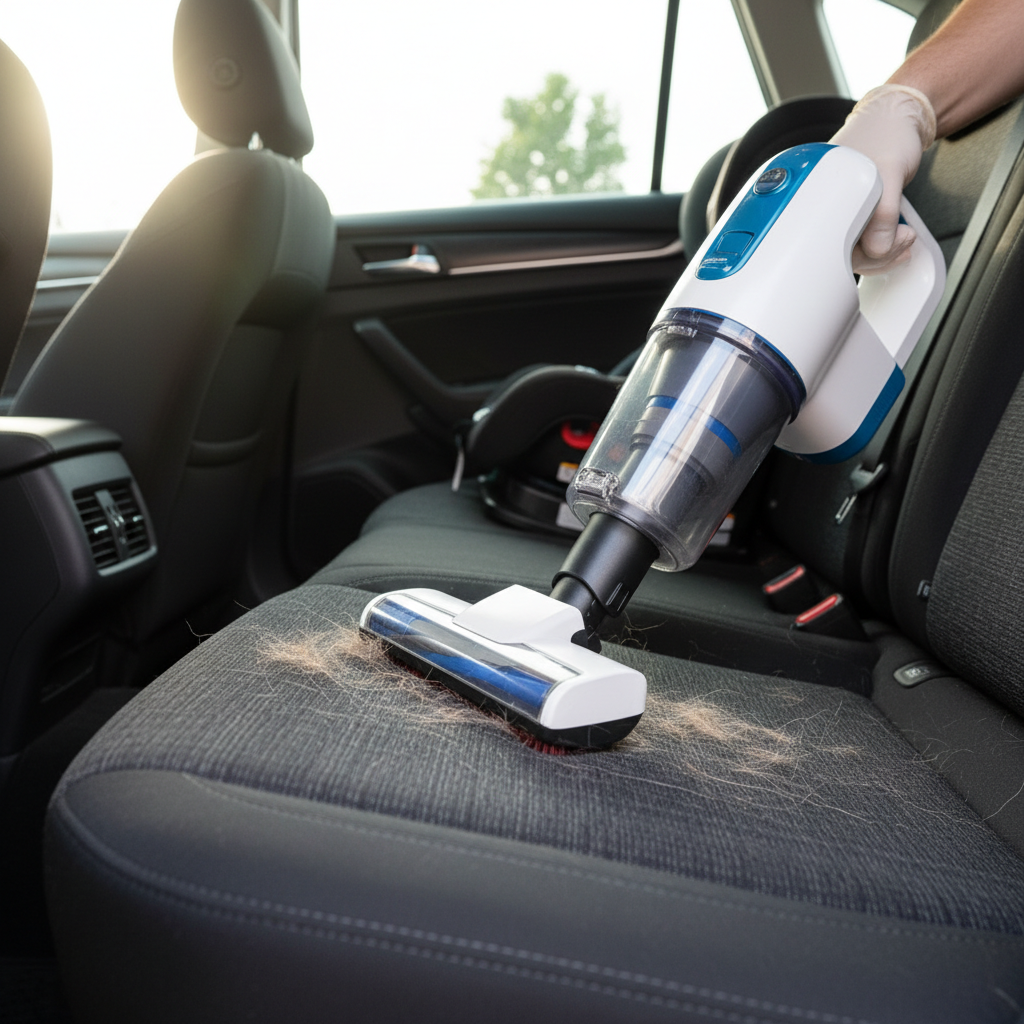
How to use a wet/dry car vacuum for best results (simple workflow)
This is the part that makes a “good” vacuum feel great. Order matters, and it saves you time.
For dry debris (crumbs, grit, pet hair)
- Pull mats out, vacuum them outside the car first, you avoid re-dumping grit inside.
- Start high, end low: seats and crevices first, floors last.
- Use the brush for hair, then switch to a narrower nozzle to pull what’s loosened.
For fresh liquid spills
- Blot first with a towel if there’s a lot of liquid, many car vac wet tanks fill quickly.
- Use the wet nozzle, short passes, and check the fill line sooner than you think.
- After pickup, empty and rinse the tank, then let it dry open to reduce odor risk.
Key points that prevent the “it smells” problem
- Do not store the vacuum with a damp filter, if the design uses one for wet pickup, follow the manual.
- Leave the tank open for airflow after rinsing, even 30–60 minutes helps.
- If the spill involved milk or sugary drinks, consider a mild cleaner and water wipe, vacuum alone may not remove residues.
Mistakes to avoid (the stuff that ruins motors and results)
- Vacuuming unknown liquids: if it’s oily, chemical, or potentially hazardous, don’t assume your unit is compatible, check the manual and consider professional help.
- Ignoring electrical safety: avoid wet use while the cord connections sit in puddles, and do not use damaged cables.
- Chasing suction with hacks: removing filters to “increase power” can blow dust into the motor and shorten lifespan.
- Letting the tank sit: even clean water starts to smell if sealed for a few days, it’s not worth it.
When it’s worth stepping up to a pro (or a different tool)
A wet/dry handheld is a maintenance tool, not always a restoration tool. If you have repeated flooding, soaked padding, or lingering odors that keep coming back, professional detailing may be the saner route, because they can combine extraction, heat, and drying control.
If you suspect mold, or you have respiratory sensitivities, it may be smart to consult a qualified detailing professional or remediation specialist rather than experimenting with cleaners and moisture at home.
Conclusion: how to choose with confidence
The best car vacuum cleaner wet dry is the one you will actually use, quickly, without dreading cleanup afterward. For most drivers, that means a model with a sensible wet tank design, the right attachments for crevices and upholstery, and a power setup that matches where you park.
If you want a simple next step, write down your top two messes, like “kid juice spills” and “sand,” then pick the type from the table that fits your power situation. After that, shop features, not hype.