
how to check brake fluid level is one of those quick checks that can prevent a scary surprise, because brake fluid affects how much pressure your brake system can build when you hit the pedal.
If the level is low, the car may still stop, but pedal feel can change and, in some cases, braking performance may drop, especially if there’s a leak or worn brake pads pushing the level down over time.
This guide keeps it practical: where to find the reservoir, how to read MIN and MAX correctly, what “normal” looks like, and when “just top it off” can hide a bigger problem.
Why brake fluid level matters more than people think
Brake fluid is hydraulic fluid, it transfers force from your foot to the brakes at the wheels. Unlike motor oil, it isn’t “consumed” in normal operation, so a noticeable drop usually signals something else happening.
- Worn brake pads can lower the reservoir level because caliper pistons sit farther out as pads thin.
- Leaks can lower the level at brake lines, calipers, wheel cylinders, or the master cylinder, this is the one to take seriously right away.
- Moisture contamination can reduce performance because brake fluid absorbs water over time, which can change boiling point and pedal feel under heat.
According to NHTSA, maintaining your vehicle’s braking system is a key part of road safety, and warning signs like a brake warning light or changes in pedal feel should be checked promptly.
What you need before you start
You usually don’t need tools to check the level, but a couple small items make the check cleaner and more accurate.
- Paper towel or shop towel to wipe dust off the reservoir cap area
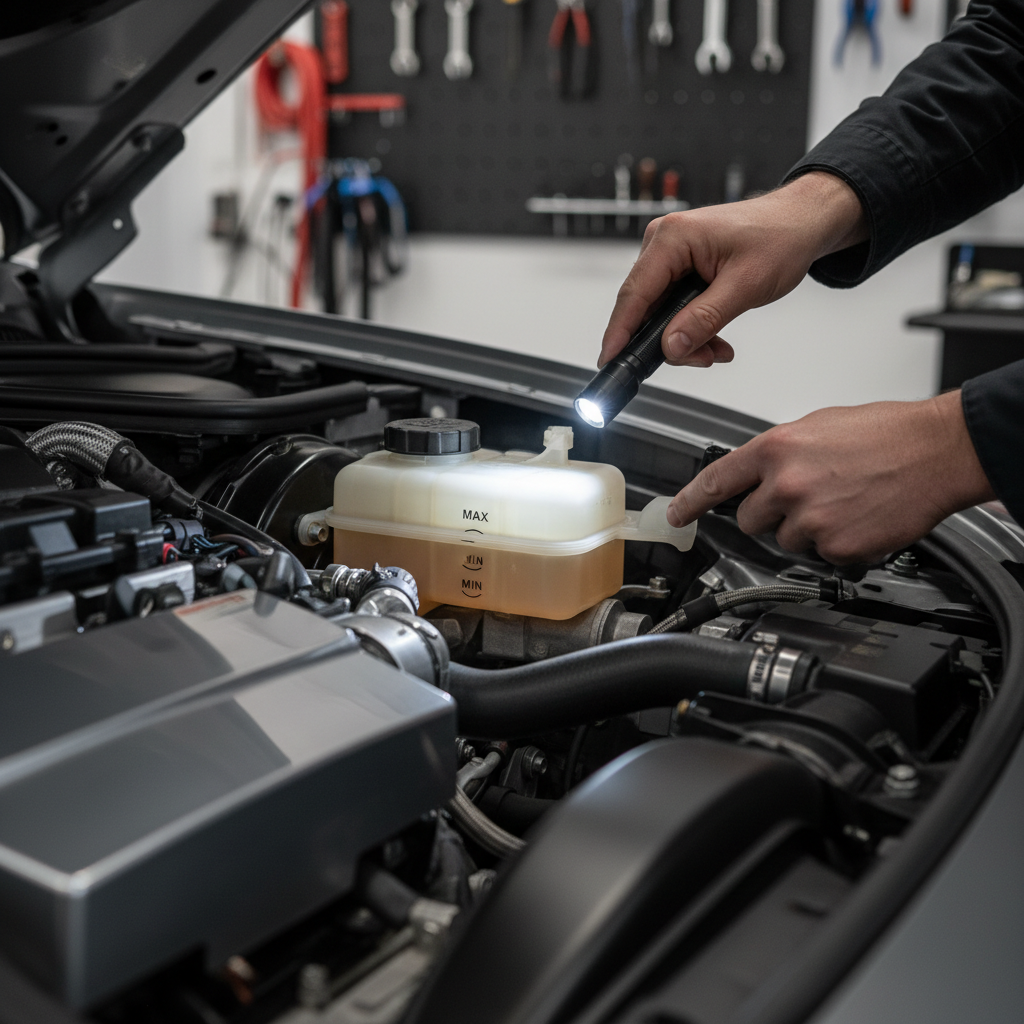
- Flashlight (helpful if the reservoir is shaded)
- Your owner’s manual to confirm fluid type (DOT 3, DOT 4, DOT 5.1 are common)
One safety habit that matters: keep brake fluid off paint, it can damage finishes. If you spill, rinse with plenty of water rather than rubbing it around.
Where the brake fluid reservoir is (and what it looks like)
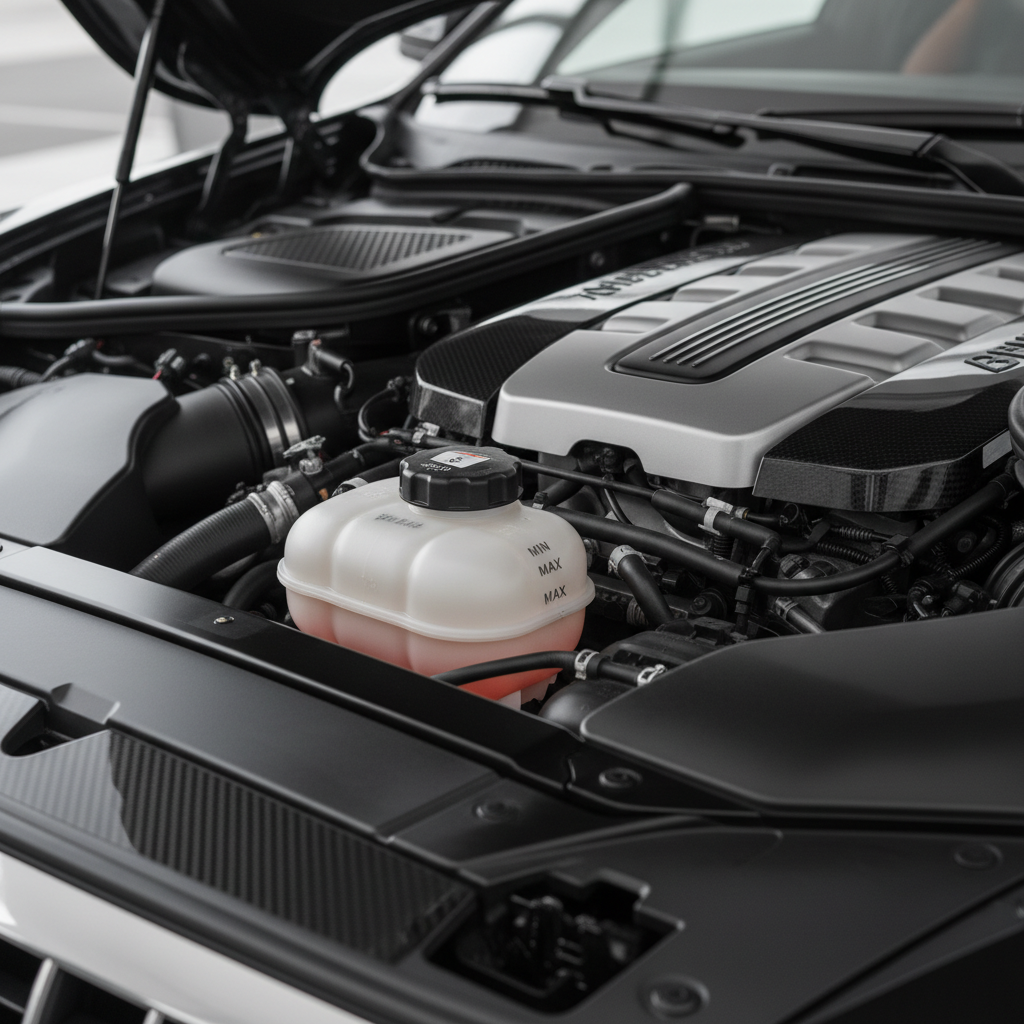
In most cars sold in the U.S., the brake fluid reservoir sits near the back of the engine bay on the driver side, mounted on the master cylinder, close to the firewall. It’s often translucent plastic with a dark cap, and you’ll see “MIN” and “MAX” lines.
Some vehicles use a split reservoir (front/rear circuits), others have a single shared tank. A few designs hide it under trim panels, so if you can’t spot it quickly, check the manual rather than guessing.
How to check brake fluid level step by step
For most cars, you can check the level without opening the cap, which reduces the chance dirt gets into the system.
1) Park safely and let things settle
Park on level ground, set the parking brake, and turn the engine off. If you just drove, give it a minute so fluid slosh settles and you get a cleaner read.
2) Clean the area around the reservoir
Wipe dust off the reservoir and cap area. This seems small, but grit near the cap is how contamination happens when people “just take a quick look.”
3) Read the level against MIN/MAX
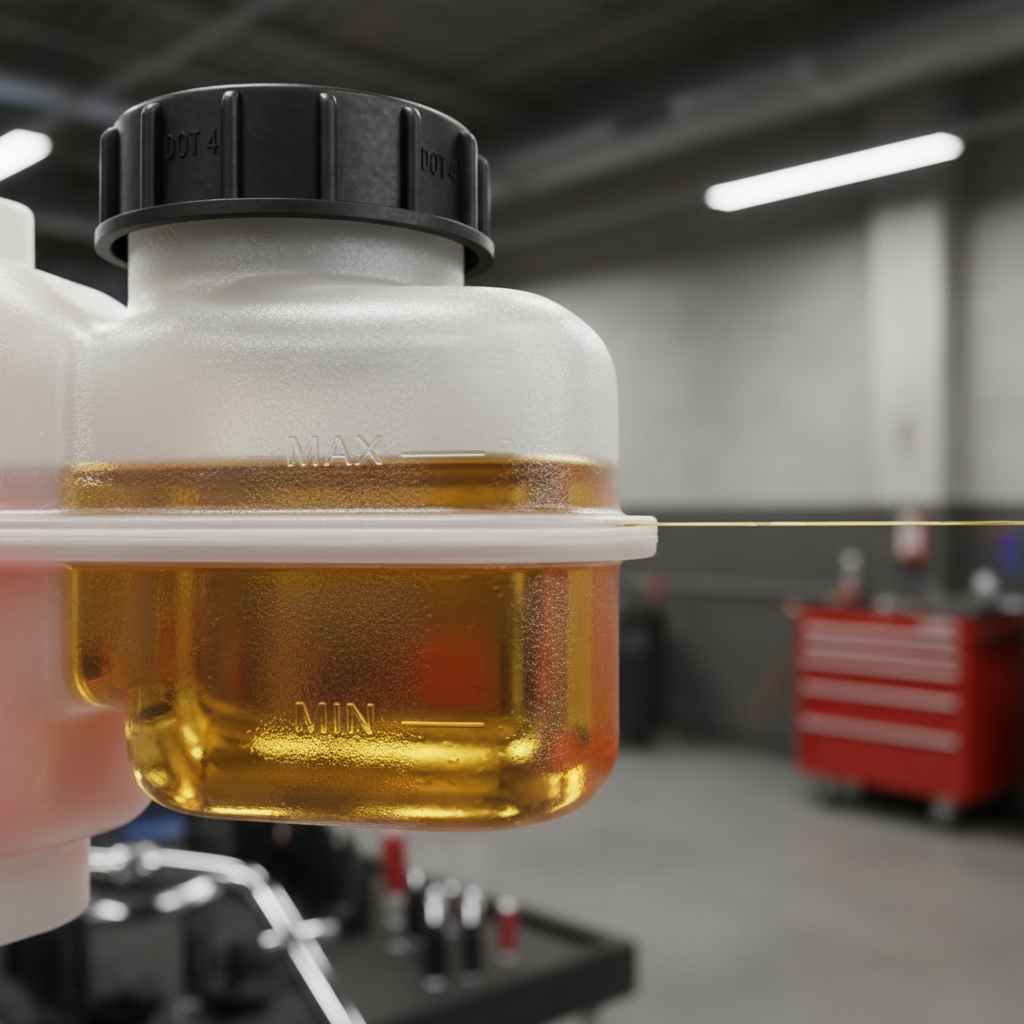
Look at the fluid line through the plastic. Many reservoirs have markings on both sides, choose the side you can see best and use a flashlight if needed.
- Normal: fluid sits near MAX, or comfortably above MIN.
- Borderline: fluid is close to MIN, especially if the pads are worn.
- Concerning: fluid is below MIN, the brake warning light may come on, and you should avoid putting off the next step.
4) Quick condition check (color and clarity)
Color varies by brand, but fresh fluid is usually clear to light amber. Very dark fluid can suggest age or contamination. This doesn’t diagnose everything, but it helps you decide whether a brake fluid flush discussion is worth having.
A fast self-check: what low brake fluid is “telling” you
Low level is a symptom, not a final answer. This short checklist helps you sort the common scenarios before you decide to top off or book service.
- Brake pads are near the end: level gradually drops, no puddles, braking feels mostly normal, you may hear squeal indicators.
- Possible leak: level drops faster than expected, you notice wetness near a wheel, a soft pedal, or a warning light that returns after topping off.
- Recent brake work: level may change after pad/rotor service, sometimes it’s high if fluid was topped off before pushing pistons back in.
- Fluid overdue: level may be fine but fluid looks very dark, pedal feel can get inconsistent under repeated braking.
If you’re unsure which bucket you’re in, assume the more cautious option and have it inspected, brakes are not where guessing pays off.
Should you add brake fluid? A practical decision table
People often ask how to check brake fluid level so they can top off quickly, but the smarter move is deciding whether topping off is appropriate for your situation.
| What you see | What it often means | What to do next |
|---|---|---|
| Just below MAX, pads not new | Normal pad wear | Monitor, plan a brake inspection soon if pads are older |
| Near MIN, no warning light | Pads worn or small seep | Check pad thickness, consider service; topping off can be temporary |
| Below MIN or warning light on | Possible leak or low fluid causing pressure issues | Do not ignore, add only if needed to reach a shop, get inspected ASAP |
| Fluid looks very dark | Fluid aging/contamination (varies) | Ask about brake fluid exchange/flush per manufacturer guidance |
If you need to top off: the safe way to do it
If the level is low enough to worry you and you’re trying to prevent a warning light or get to a shop, topping off can be reasonable, but only if you do it carefully.
Use the correct fluid type
Check the reservoir cap and the owner’s manual. Many cars specify DOT 3 or DOT 4. Don’t mix DOT 5 (silicone-based) with other types. According to SAE International, using the correct brake fluid specification is important for system compatibility and performance.
Add small amounts, then re-check
- Clean around the cap, then open it carefully.
- Add a little fluid at a time, you can always add more but removing excess is messy.
- Stop when the level sits just under MAX.
Important: if your pads are worn and you fill to MAX, the level may rise too high after new pads are installed and pistons are pushed back. That’s why many techs prefer to diagnose pad wear first instead of automatically topping off.
Common mistakes that waste time or create new problems
- Opening the cap “just to look” when the reservoir is translucent, you add contamination risk for no real benefit.
- Topping off repeatedly without finding the cause, a leak can escalate and you may end up with a pedal that sinks when you need it most.
- Using the wrong brake fluid, even if the level looks fine afterward, compatibility issues can show up later.
- Overfilling, it can spill when things heat up or when brake work happens.
- Confusing brake fluid with power steering fluid, caps can sit near each other on some vehicles, read labels instead of going by location alone.
According to AAA, staying on top of basic maintenance checks can reduce breakdown risk, and brakes remain one of the most safety-critical systems to keep in good condition.
When to stop DIY and get professional help
If you’re learning how to check brake fluid level, it’s worth knowing the line between a simple check and a situation that needs a shop visit.
- Brake warning light stays on after you confirm the level is above MIN
- Pedal feels soft, spongy, or sinks, especially if it changes suddenly
- Visible wet spots near a wheel, along brake lines, or under the master cylinder
- Fluid level drops again within days or a couple weeks
- You suspect air in the lines, bleeding brakes has real technique and is easy to do wrong
In these cases, driving may be risky, and it’s usually smarter to ask a qualified mechanic to inspect for leaks, measure pad thickness, and confirm whether a flush or component repair makes sense.
Conclusion: a quick check, then a smart next step
Once you know how to check brake fluid level, the main win is catching changes early and connecting them to the likely cause, normal pad wear looks different from a leak, and your next step should match that reality.
If your level sits near MIN, schedule a brake inspection and confirm pad thickness, and if it drops below MIN or the pedal feel changes, treat it as urgent and get professional eyes on the system.
FAQ
How often should I check brake fluid level?
Many drivers glance at it during oil changes or every month or two. If your car is older, or you’ve had brake work recently, checking a bit more often can help you spot a trend.
Is it normal for brake fluid to be a little low?
It can be, especially as brake pads wear. What’s not normal is a fast drop or a level that falls below MIN, that often points to a leak or another issue worth diagnosing.
Can low brake fluid cause the brake warning light to come on?
Yes, many vehicles trigger a warning when the reservoir float senses a low level. That said, warning lights can have multiple causes, so if the light stays on after you confirm the level, a professional scan and inspection is a good idea.
What brake fluid should I buy, DOT 3 or DOT 4?
Use what the cap or owner’s manual specifies. DOT 4 isn’t automatically “better” for every car, and mixing types without guidance can create compatibility issues.
What if my brake fluid is dark but the level is fine?
Dark fluid can suggest age or contamination, but color alone doesn’t confirm performance. Ask a shop about testing moisture content or following the manufacturer’s service interval for fluid replacement.
Do I need to pump the brakes before checking the level?
Usually no. You want the car off and on level ground, then read the reservoir line. Pumping the pedal can change pressures briefly and make the check less consistent.
Can I drive if the brake fluid is below MIN?
It may still stop, but it’s a higher-risk situation. If you must move the car, adding enough fluid to reach a shop can help, but if pedal feel is soft or you suspect a leak, towing is often the safer call.
Key takeaways
- Check the reservoir on level ground, read the line against MIN and MAX without opening the cap if you can.
- Low fluid usually means worn pads or a leak, topping off without diagnosis can hide the real issue.
- Below MIN, warning lights, or pedal changes are your cue to stop delaying and get the system inspected.
If you’re trying to keep maintenance simple, a quick routine helps: check the brake fluid level, note the line, and if it’s trending down, line up a brake inspection before it turns into a last-minute safety problem.