
How to fix car power window off track usually comes down to one of three things: the glass slipped out of its track, the regulator isn’t guiding it evenly, or something inside the door is blocking the travel.
If your window tilts forward, drops into the door, grinds, or only moves on one side, don’t keep holding the switch hoping it “catches.” That habit often turns a minor alignment issue into a stripped regulator cable or cracked plastic clip.
This guide walks you through practical checks and fixes you can do at home, plus the moments where it’s smarter to stop and let a shop handle it. I’ll keep it realistic: some cars have friendly door panels and bolt-on tracks, others hide everything behind rivets and tight service holes.
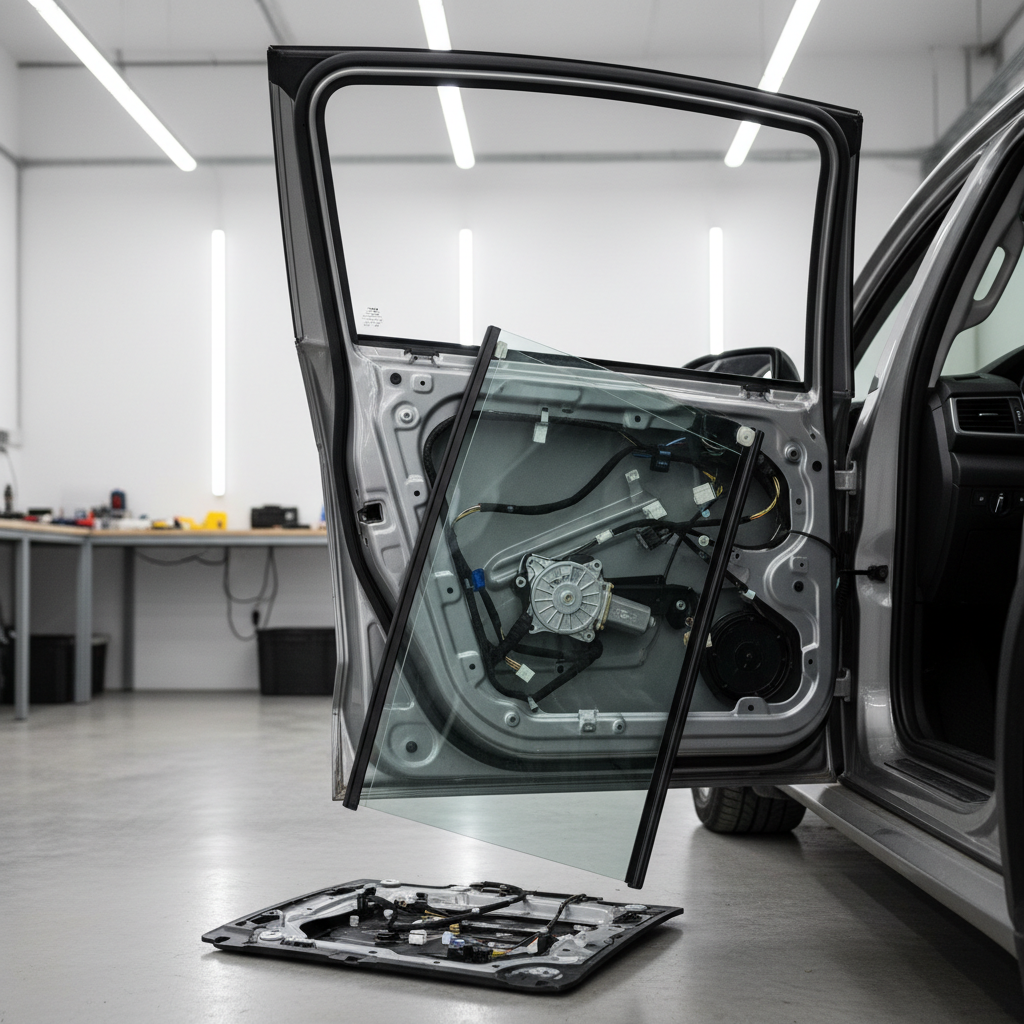
What “off track” really means (and why it happens)
People say “off track” for a few different failures, and the fix depends on which one you actually have. In many cases, the glass is still intact, but it’s no longer guided by the felt-lined channels that keep it straight.
- Glass popped out of the run channel: The vertical track (usually rubber/felt) no longer hugs the glass edge, so the window binds or leans.
- Regulator problem: The scissor arms or cable system pulls unevenly, so one side rises and the other lags.
- Loose mounting clamps: The glass is held to the regulator by clamps/bolts, when they loosen the glass can slip.
- Broken guide clips: Some doors use plastic guides that snap, then the track can’t hold alignment.
- Obstruction or swollen weatherstrip: Debris, ice, or a distorted seal adds drag and twists the glass.
According to NHTSA, power windows can create pinch hazards, especially during testing. Keep hands clear of moving glass and avoid “helping” by pushing the glass while holding the switch unless the procedure specifically calls for controlled alignment with support.
Quick diagnosis: figure out your window’s failure mode
Before you remove anything, you can often narrow it down with two quick tests. This saves you from tearing apart the door just to discover the regulator cable already frayed.
Two fast tests
- Listen: Motor sound with no movement often points to a disconnected glass clamp or stripped regulator. Grinding or clicking often points to regulator cable/drum issues.
- Watch the top edge: If the top front corner rises but the rear corner stays low, the glass is twisting or the rear guide/regulator path is failing.
Decision table: symptoms → likely cause → next step
| What you see | What it often means | What to do next |
|---|---|---|
| Window drops into door | Glass clamp slipped or regulator failure | Remove door panel, inspect clamps and regulator |
| Window tilts forward/backward | Glass out of run channel or bent track | Check run channel seating, track bolts, guide wear |
| Moves a few inches then jams | Debris, swollen seal, dry channel, misalignment | Inspect channel, clean, lubricate, re-align |
| Motor runs, glass barely creeps | Regulator binding, cable fraying, high friction channel | Inspect regulator travel, don’t force switch repeatedly |
| No sound, no movement | Electrical issue (switch, fuse, motor) | Different problem than “off track,” test power first |
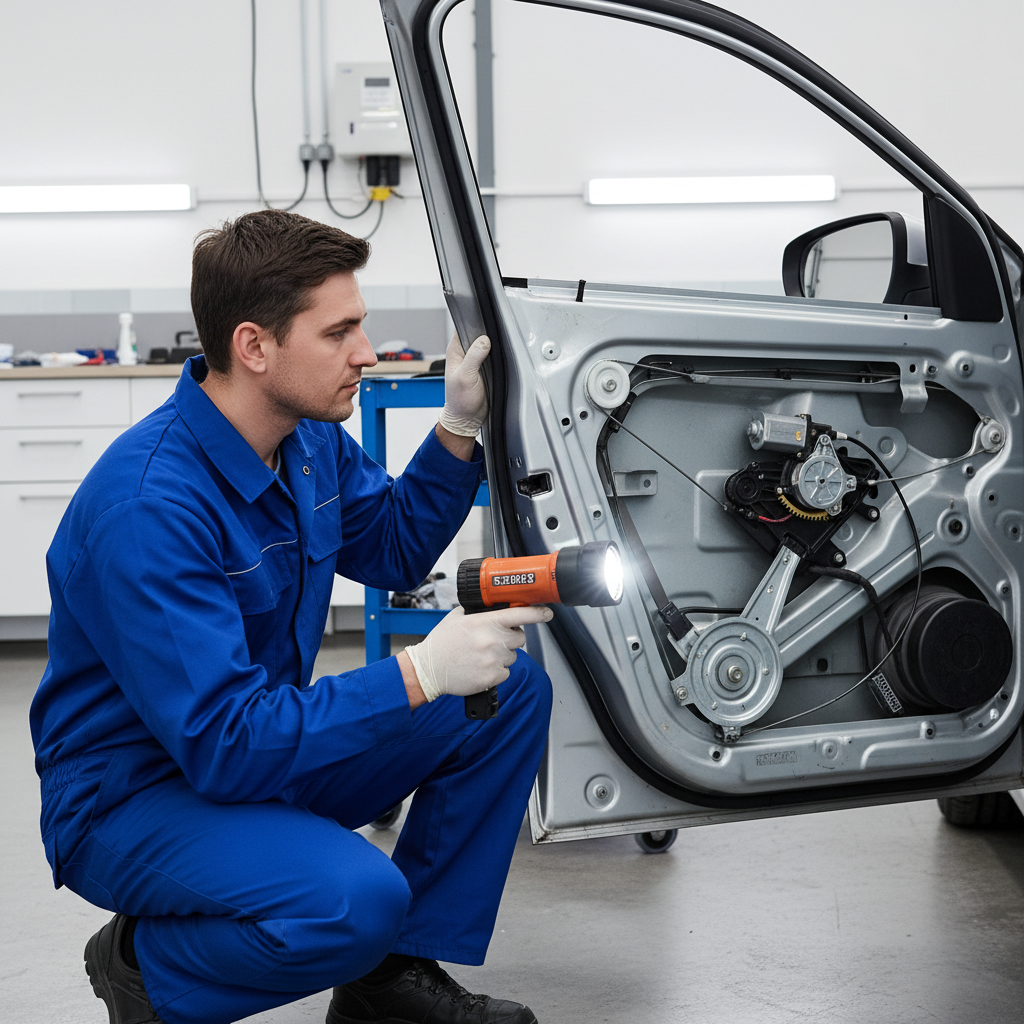
Tools, supplies, and a safe setup (don’t skip this)
You can get through most off-track fixes with basic hand tools, but two things matter more than the tool list: supporting the glass and not tearing the vapor barrier.
- Trim removal tools (plastic preferred)
- Phillips/flat screwdriver, socket set
- Painter’s tape or suction cup handles (to support glass)
- Work gloves and eye protection
- Silicone spray (for rubber/felt channels; avoid petroleum products on rubber)
- Shop rags, mild cleaner
Key point: If the glass is loose, tape it to the door frame before you unbolt anything. One surprise drop can chip the glass edge or crack it outright.
Step-by-step: reseat the glass back into the run channel
This is the most common “good news” scenario. The regulator still works, the glass is fine, it just walked out of the channel after repeated binding.
1) Remove the door panel and expose the window path
- Pop trim covers, remove screws, then release clips around the panel edge.
- Peel back the vapor barrier slowly; if the butyl adhesive stays tacky, you can reuse it.
2) Inspect the front and rear run channels
- Look for torn felt, folded rubber, or a channel that pulled away from its metal frame.
- Check for a foreign object wedged in the track, small stones show up more often than people expect.
3) Reseat and square the glass
- Lower the glass slightly (if it can move) so you can guide it into the channel.
- Use two hands on the glass edge, keep it level, then press it into the channel with steady pressure.
- If the channel is dry, apply a light silicone spray on a rag and wipe the channel, don’t soak it.
Now run the window up and down in short pulses while watching alignment. If it still twists, stop and move to the regulator/guide section below, because forcing it often creates a bigger repair.
Step-by-step: tighten or reattach the glass to the regulator
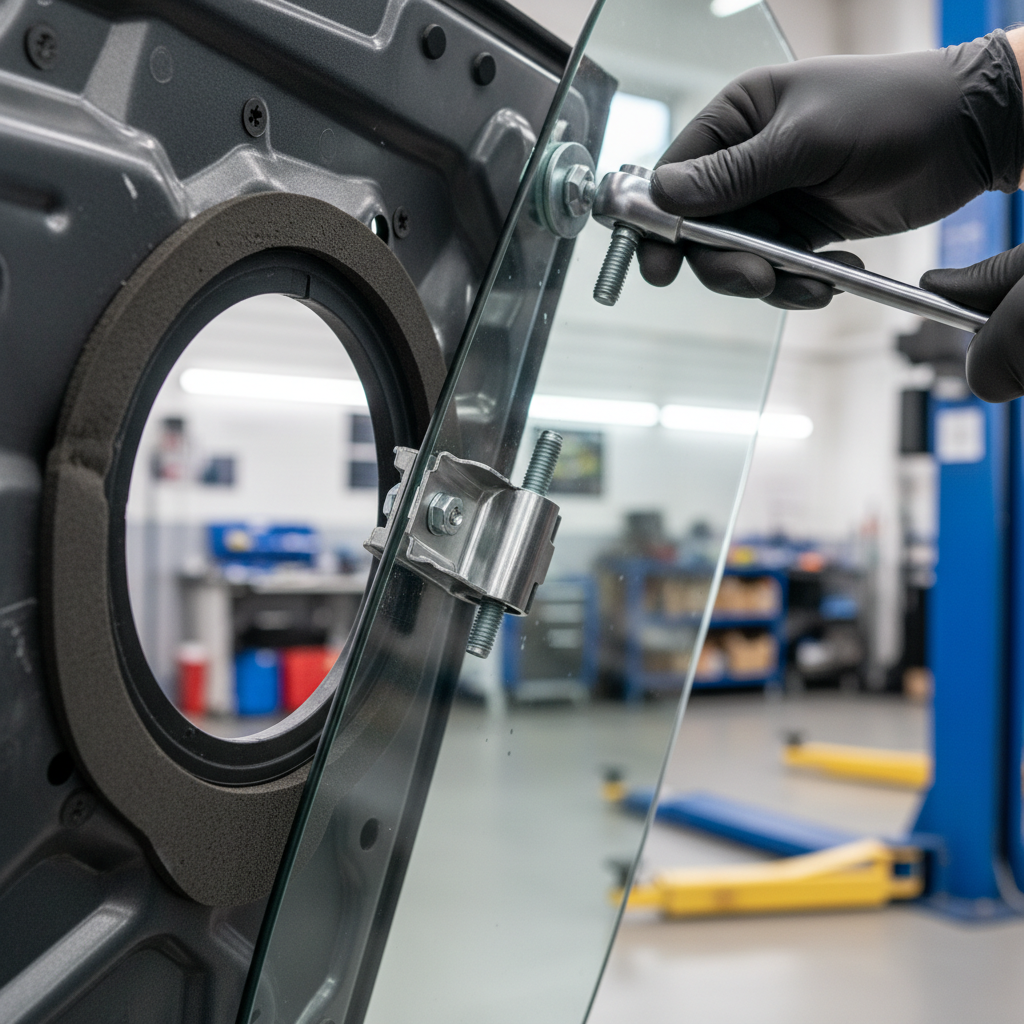
If the motor runs and you see the regulator moving but the glass doesn’t follow correctly, the glass mounting points are a prime suspect. Many cars use two clamps, when one loosens the glass tilts and looks “off track.”
What you’re looking for
- Bolts/nuts that clamp the glass and have backed out
- Plastic retainers that cracked or slipped
- Uneven clamp position left vs. right
Fix approach
- Support the glass with tape at the top of the door frame.
- Loosen the clamps just enough to reposition the glass squarely in the opening.
- Re-tighten to snug, not “gorilla tight,” because over-torque can stress the glass.
- Cycle the window and confirm the top edge meets the weatherstrip evenly.
If your vehicle uses rivets for the regulator assembly, you may still be able to tighten clamp fasteners without drilling rivets, but access varies a lot by door design.
When the regulator or track is the real problem
This is where many DIY fixes stall. A window can look “off track,” but the true issue is a worn regulator cable, a bent guide rail, or a missing slider. You can sometimes correct alignment, but you can’t “adjust away” broken hardware.
Signs you’re dealing with regulator/guide failure
- Crunching/clicking sounds during travel
- Window rises unevenly even after reseating into channels
- Visible frayed cable, loose spool, or broken plastic slider
- Guide rail moves when you push it lightly
What you can do (and what to avoid)
- Do: check rail bolts for looseness; a slightly loose rail can mimic a “jumped track.”
- Do: look for bent metal rails; minor bends sometimes can be corrected carefully, but go slow.
- Avoid: repeatedly running the switch when you hear grinding, that commonly worsens cable damage.
In many cases, replacing the regulator assembly is more reliable than trying to rebuild a cable system. If your door has side-impact airbags, be cautious with connectors and consider professional help.
Common mistakes that make an off-track window worse
- Forcing the glass by hand while holding the switch: it can pinch fingers and can also snap a marginal clip.
- Using grease in felt channels: it collects dust and can increase binding over time; silicone is usually safer for rubber/felt.
- Ignoring the vapor barrier: a torn or poorly reattached barrier often leads to water leaks, foggy windows, and mildew odors.
- Skipping alignment checks: if the top edge doesn’t meet the seal evenly, wind noise and leaks show up later.
When to stop DIY and call a pro
If you’re still wondering how to fix car power window off track after basic reseating and clamp checks, the odds increase that you’re facing a regulator replacement, bent track correction, or a hidden hardware break.
- Glass has chips, cracks, or sits loose enough to rattle
- Regulator cable looks frayed or off its spool
- You smell hot electronics or the switch gets warm
- Your car has complex trim, laminated glass, or side airbags in the door
According to AAA, if you’re unsure about a mechanical or safety-related repair, it’s reasonable to seek qualified service rather than risk additional damage. A shop can also verify alignment against factory specs when a door has been repaired before.
Practical tips to keep it from happening again
- Clean the window channels a couple times a year, especially after dusty road trips.
- In freezing weather, don’t force a stuck window; thaw first to avoid twisting the glass.
- If the window slows down over weeks, treat it as early warning, not “old car behavior.”
Key takeaways: Most off-track power windows come from channel friction or loose mounting points, but uneven movement with noise often points to regulator or guide failure. Diagnose first, then fix the right layer.
If you want an easy next step, pick one action today: remove debris and lightly lubricate the run channels, or pull the door panel and confirm the glass clamps and guide rail bolts stay tight. Either way, stop cycling the switch once you see twisting, it’s the fastest way to keep a small issue from turning expensive.
FAQ
Why does my power window go up crooked?
Most of the time the glass isn’t guided evenly, either it slipped out of one run channel or the regulator pulls more on one side. Start by checking channel seating and clamp tightness before assuming the motor is bad.
Can I drive with the window off track?
Short trips are sometimes possible if the glass is fully up and stable, but if it can drop into the door, it’s a security and weather risk. If it’s loose, tape it up and avoid using the switch until repaired.
What lubricant should I use for window tracks?
Silicone spray is commonly used for rubber and felt-lined channels because it reduces friction without staying sticky. Heavy grease can attract dirt and may make binding worse over time.
How do I know if it’s the regulator or just the track?
If the window binds silently and looks tilted, track/channel issues are likely. If you hear grinding/clicking or see uneven pull even when the glass sits in the channels, regulator hardware becomes more suspect.
My window fell into the door, did the glass break?
Not always. Often a clamp slipped or a plastic retainer failed, letting the glass drop while staying intact. Still, check edges carefully because small chips can spread into cracks later.
Is it expensive to fix an off-track power window?
Cost varies by vehicle and whether you need a regulator, clips, or just alignment. DIY reseating is low-cost, but regulator replacement can add parts and labor, especially on doors with airbags or riveted assemblies.
Do I need to disconnect the battery?
For basic panel removal and visual inspection, many people leave it connected, but if you’ll unplug airbag-related connectors or work around powered components, disconnecting the battery is a safer practice. If your vehicle manual recommends a procedure, follow that.
If you’re trying to fix a power window that keeps slipping off track, and you’d rather not guess which clips, regulator type, or channel parts your specific model uses, a repair manual subscription or a local glass/door specialist can be a calmer route, you’ll usually get the exact fastener locations and alignment notes for your door.